
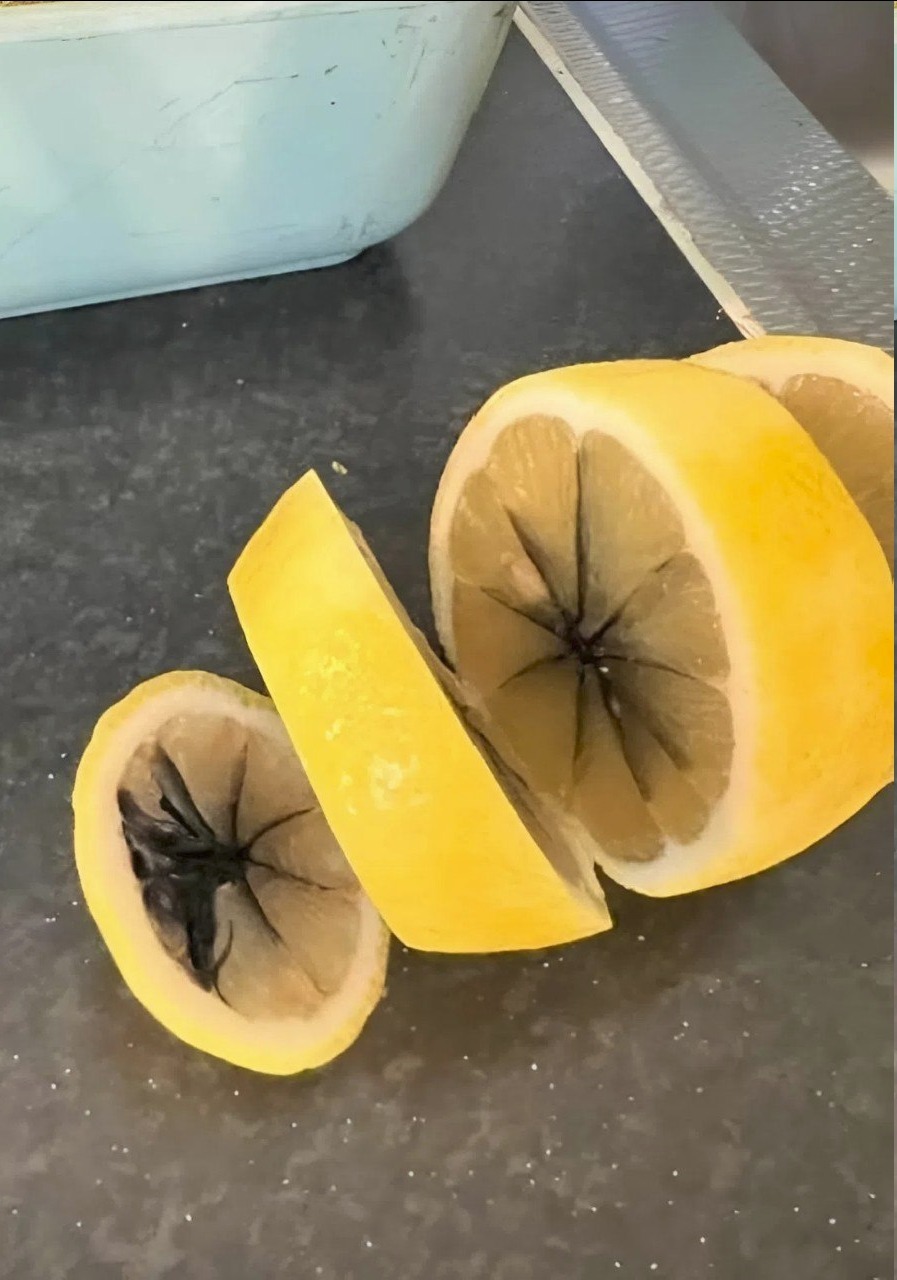
Even though the interior often remains unpredictable, here are a few simple tips to limit unpleasant surprises:
Inspect the peel carefully : a damaged lemon, with small brown spots or a soft texture in places, should be avoided.
Touch the fruit : if it is too soft or has soft areas, it is probably overripe.
Keep them dry : humidity is mushrooms’ number one ally. Choose a cool, dry, and well-ventilated place, rather than the overly humid vegetable drawer of the refrigerator.
Consume them quickly : lemons, even organic ones, don’t keep indefinitely. Try to use them within a week of purchase.
If you discover a dark spot inside, don’t try to cut around it to “save” the rest of the lemon. The fungus may have already released its toxins invisibly. The safest thing to do is simply throw it away immediately—without regrets or guilt!
Also remember to check other fruits stored nearby: contamination can spread if lemons are in prolonged contact.
Discreet vigilance, serene cuisine
Alternaria rot isn’t a disaster, but it’s worth paying attention to. So, before you dip your lemon slice in a hot infusion or squeeze it over your food, take a second to cut it open… and observe it.
ADVERTISEMENT

