
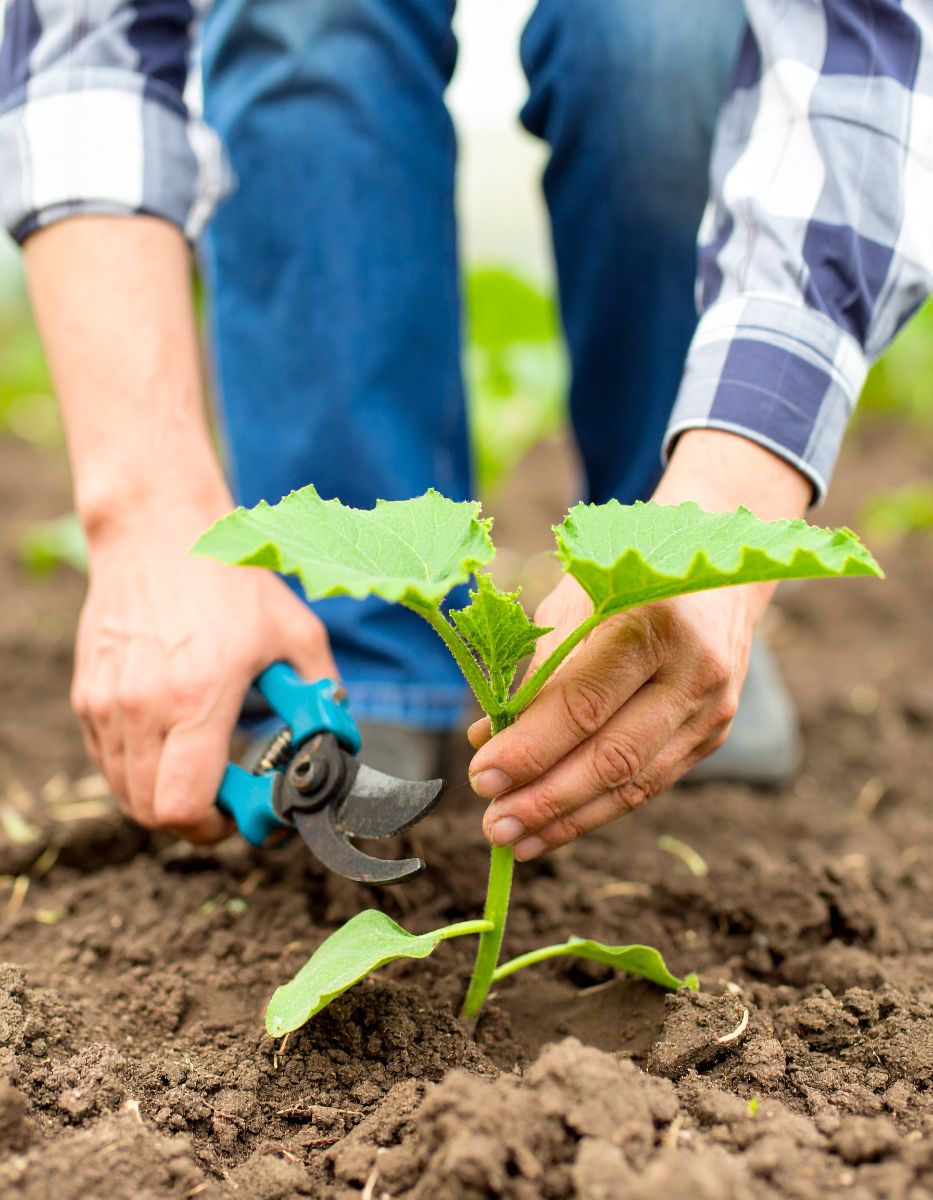
Zucchini, a versatile and prolific summer squash, is a favorite among gardeners for its rapid growth and abundant yields. However, to achieve the ultimate harvest, there is one crucial practice that many gardeners overlook: pruning. Pruning your zucchini plants can make a significant difference in the health and productivity of your crop, leading to larger and more plentiful zucchinis.
While it might seem counterintuitive to cut back a plant that you want to produce more, strategic pruning can actually enhance the plant’s ability to focus its energy on producing fruit rather than excessive foliage. This article will guide you through the importance of pruning, the science behind it, and how to effectively prune your zucchini plants for the best results.
Advertisement
1. Understanding the Importance of Pruning
Pruning is an essential gardening practice that involves selectively removing certain parts of a plant, such as branches, buds, or roots. For zucchini plants, pruning helps in managing the plant’s growth, improving air circulation, and preventing diseases. By removing some of the large leaves, you allow sunlight to reach the lower parts of the plant, which can enhance photosynthesis and lead to better fruit production.
Moreover, pruning helps in reducing the risk of fungal diseases, which are common in zucchini plants due to their dense foliage. By thinning out the leaves, you improve air circulation, which helps in drying out moisture that can lead to diseases like powdery mildew. This practice not only keeps your plants healthy but also ensures that the energy is directed towards fruit development rather than excessive leaf growth.
2. The Science Behind Pruning for Better Yields
The science behind pruning lies in the plant’s natural response to injury. When you prune a zucchini plant, it triggers a response that encourages the plant to focus its resources on healing and growth. This response can lead to more vigorous growth and increased fruit production. By removing excess foliage, you reduce competition for nutrients and water, allowing the plant to allocate more resources to developing fruit.
Additionally, pruning can help in managing the plant’s hormonal balance. Auxins, which are growth hormones, are concentrated in the plant’s growing tips. By pruning, you can redirect these hormones to other parts of the plant, stimulating growth in areas that are more beneficial for fruit production.
3. When to Prune Your Zucchini Plants
Timing is crucial when it comes to pruning zucchini plants. The best time to prune is when the plant is young and has just started to establish itself. This is typically when the plant has about 4 to 6 true leaves. At this stage, you can begin by removing the lower leaves that are close to the ground, as these are more prone to disease.
As the plant continues to grow, regular pruning every few weeks can help maintain its shape and health. It’s important to avoid pruning during the hottest part of the day, as this can stress the plant. Instead, aim to prune in the early morning or late afternoon when the temperatures are cooler.
4. Tools You Need for Effective Pruning
ADVERTISEMENT
