
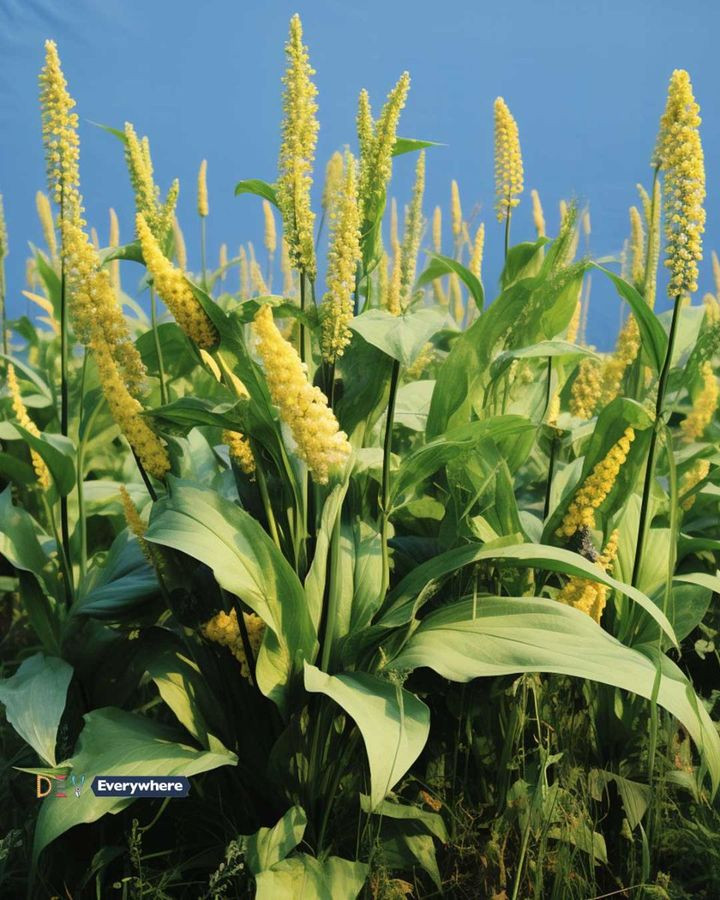
Nature has always been a rich source of medicinal treasures, and the broadleaf plantain (Plantago major) is a prime example of the healing power found in the plant kingdom. This unassuming herb, often dismissed as a common weed, boasts an impressive array of medicinal properties that have been utilized for centuries across different cultures. In this article, we will explore what the broadleaf plantain is, where it grows, and why it is considered a powerful medicinal plant.
What is Broadleaf Plantain?
Broadleaf plantain, also known as greater plantain or common plantain, is a hardy perennial herb belonging to the Plantaginaceae family. It is native to Europe but has naturalized and can now be found across North America and many other parts of the world. This versatile herb is characterized by its distinctive broad, oval-shaped leaves, which grow in a basal rosette. The plant usually reaches a height of 6 to 18 inches and produces inconspicuous spikes of tiny greenish-white flowers.
Where Does Broadleaf Plantain Grow?
Broadleaf plantain is a resilient plant that can thrive in a variety of habitats. It is commonly found in lawns, gardens, roadsides, fields, and disturbed areas with compacted soil. It has a preference for fertile, well-drained soils but can adapt to less ideal conditions. This adaptability and widespread distribution make it easily accessible to those interested in harnessing its medicinal properties.
The Medicinal Marvel of Broadleaf Plantain
Anti-Inflammatory Properties:
One of the key medicinal qualities of broadleaf plantain is its anti-inflammatory properties. The leaves contain compounds such as aucubin, allantoin, and tannins, which help reduce inflammation and soothe irritated tissues. This makes it an effective remedy for conditions like insect bites, rashes, and minor burns. Simply crush the leaves and apply them topically to the affected area for quick relief.
Wound Healing:
Broadleaf plantain is renowned for its ability to promote wound healing. The leaves have antimicrobial properties that can help prevent infection, while allantoin stimulates cell growth and tissue regeneration. When applied as a poultice or salve, it can accelerate the healing process of cuts, scrapes, and minor wounds.
Respiratory Health:
The leaves of broadleaf plantain contain compounds that make it beneficial for respiratory health. It is often used as an herbal remedy for conditions like coughs, bronchitis, and asthma. The herb’s soothing properties can help alleviate irritation in the throat and lungs when brewed into a tea or used in a steam inhalation.
Digestive Aid:
Broadleaf plantain has been used traditionally to relieve digestive issues. It can help alleviate symptoms of diarrhea, indigestion, and gastritis. Consuming the leaves in the form of a tea or tincture can have a calming effect on the digestive system and promote overall gut health.
Anti-Bacterial and Antioxidant:
The plant contains compounds with antibacterial and antioxidant properties that can boost the immune system and protect against infections. Regular consumption or topical application of broadleaf plantain may help prevent and combat various illnesses.
ADVERTISEMENT
