
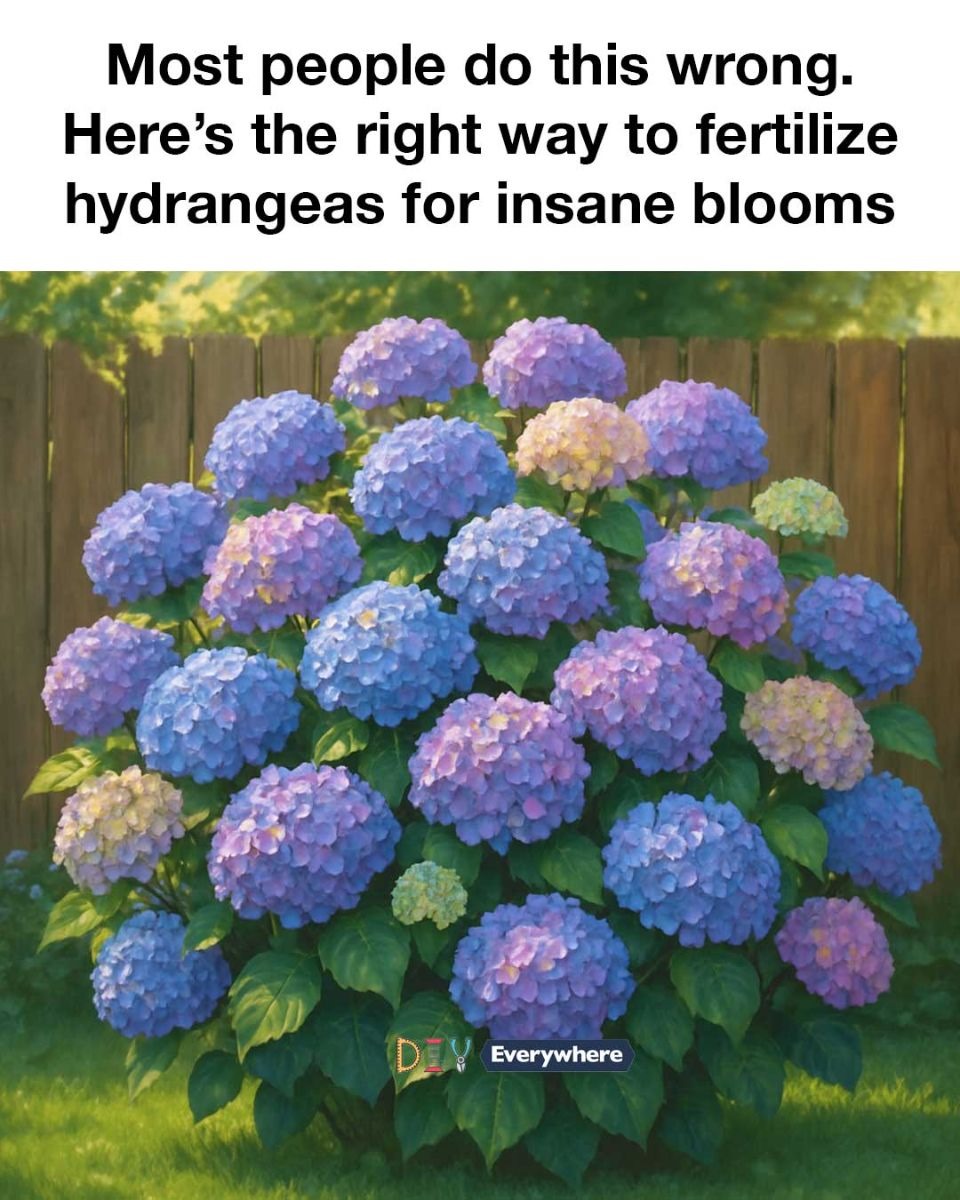
Hydrangeas are beloved by gardeners for their stunning blooms and vibrant colors. However, many people struggle to achieve the lush, abundant flowers they desire. The secret to success lies in understanding the specific needs of these beautiful plants and providing them with the right care, particularly when it comes to fertilization.
Fertilizing hydrangeas is not just about adding nutrients to the soil; it’s about creating the ideal environment for the plants to thrive. This involves understanding the type of hydrangea you have, the soil conditions, and the timing of fertilization. In this article, we’ll explore the right way to fertilize hydrangeas to ensure you get those insane blooms you’ve always wanted.
1. Understanding Hydrangea Varieties
Hydrangeas come in several varieties, each with its own unique characteristics and needs. The most common types include Hydrangea macrophylla (bigleaf), Hydrangea paniculata (panicle), and Hydrangea arborescens (smooth). Each variety responds differently to soil conditions and fertilization.
For instance, bigleaf hydrangeas are known for their ability to change color based on soil pH, while panicle hydrangeas are more tolerant of different soil types. Understanding the specific variety you have is crucial in determining the right fertilization approach. Bigleaf hydrangeas, for example, benefit from a balanced fertilizer with equal parts nitrogen, phosphorus, and potassium, while panicle hydrangeas may require a slightly different nutrient balance.
2. The Importance of Soil pH
Soil pH plays a critical role in the color and health of hydrangea blooms. For bigleaf hydrangeas, a soil pH of 5.5 to 6.5 will produce blue flowers, while a pH of 6.5 to 7.5 will result in pink blooms. Testing your soil’s pH is the first step in determining the appropriate amendments needed.
Adjusting soil pH can be done using garden lime to raise it or sulfur to lower it. It’s important to make these adjustments gradually and test the soil regularly to ensure you’re achieving the desired pH level. This will not only affect the color of the blooms but also the overall health of the plant.
3. Choosing the Right Fertilizer
Selecting the right fertilizer for your hydrangeas is essential for promoting healthy growth and vibrant blooms. A balanced, slow-release fertilizer with an N-P-K ratio of 10-10-10 is generally recommended for most hydrangeas. However, specific varieties may benefit from different formulations.
For instance, if your soil is deficient in phosphorus, which is crucial for flower development, you might opt for a fertilizer with a higher middle number, such as 10-20-10. Always read the label and follow the manufacturer’s instructions to avoid over-fertilization, which can harm the plant.
see next page
ADVERTISEMENT
ADVERTISEMENT
