
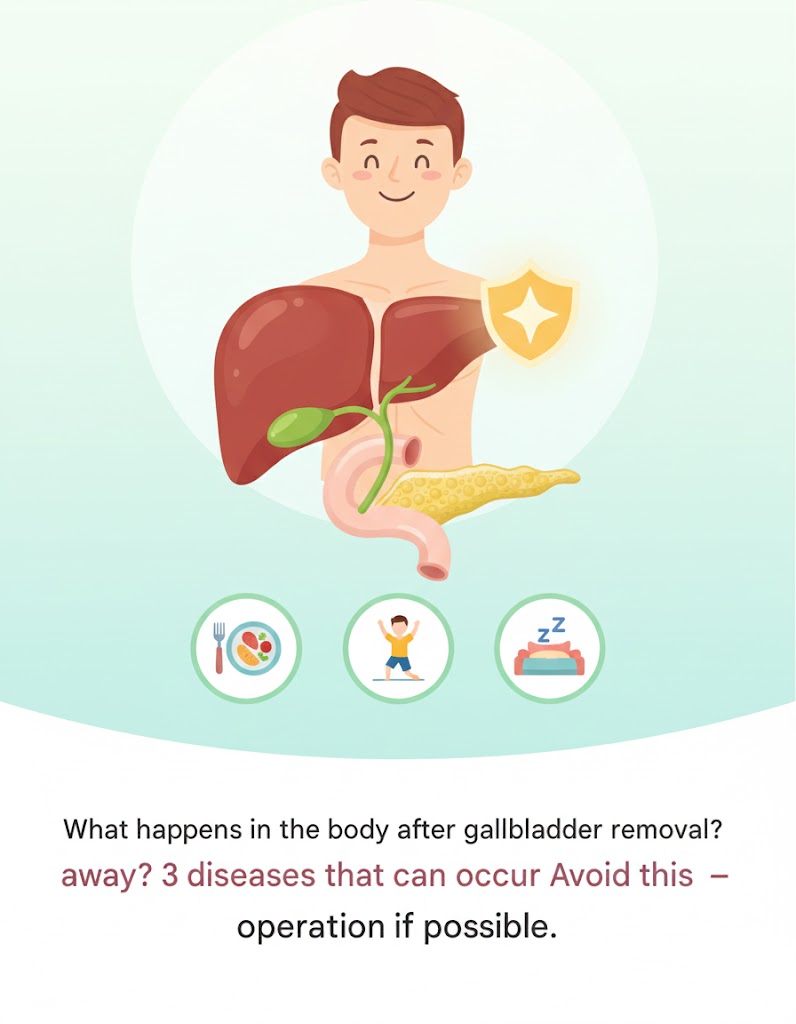
Little-Known Consequences of Gallbladder Removal: Health Effects to Watch Out For
Gallbladder removal, or cholecystectomy, is a common surgery often recommended for people with gallstones or chronic gallbladder inflammation. While many patients recover quickly and experience relief from symptoms, there are some lesser-known consequences and long-term effects that you should be aware of. Understanding these can help you manage your health after surgery and prevent potential complications.
Why Gallbladder Removal Affects Your Body
The gallbladder’s main role is to store and release bile, a digestive fluid produced by the liver that helps break down fats. After removal, bile flows directly from the liver into the small intestine, which can change digestion patterns and lead to new dietary adjustments.
Possible Health Effects to Watch Out For
1. Digestive Changes
-
Diarrhea or loose stools, particularly after high-fat meals
-
Bloating or gas
-
Occasional abdominal discomfort
Tip: Eating smaller, lower-fat meals can help ease these symptoms.
2. Difficulty Digesting Fat
Without a gallbladder to regulate bile release, your body may struggle with high-fat foods. Some patients notice nausea or cramping after eating fried or fatty meals.
3. Increased Risk of Certain Nutrient Deficiencies
While rare, some people may experience reduced absorption of fat-soluble vitamins (A, D, E, K) if digestive changes are significant. A balanced diet or supplements may help.
4. Risk of Postcholecystectomy Syndrome (PCS)
PCS refers to a group of symptoms that may appear after gallbladder surgery, including:
-
Persistent abdominal pain
-
Indigestion
-
Nausea
Most cases are mild and manageable with dietary changes or medication, but persistent symptoms should be evaluated by a doctor.
5. Changes in Gut Microbiome
Some research suggests gallbladder removal may slightly affect gut bacteria, which can influence digestion and overall gut health. Maintaining a fiber-rich diet may support healthy digestion.
6. Rare Complications
Though uncommon, there may be risks such as:
-
Bile duct injury
-
Gallstones forming in the bile ducts
-
Infections
Tips for a Healthy Recovery
-
Follow your doctor’s dietary recommendations in the first few weeks.
-
Eat smaller, balanced meals and reduce high-fat foods initially.
-
Stay hydrated and maintain regular physical activity.
-
Monitor your symptoms and report persistent or worsening issues to your healthcare provider.
When to Seek Medical Attention
Seek prompt care if you experience:
-
Severe abdominal pain
-
Persistent jaundice (yellowing of skin or eyes)
-
Fever or signs of infection
-
Chronic diarrhea leading to dehydration
Final Thoughts
Gallbladder removal often improves quality of life, especially for people suffering from gallstones or inflammation. However, it’s important to be aware of the less obvious effects on digestion and overall health. With the right lifestyle adjustments and medical guidance, most people live normally and comfortably after surgery.
Being informed helps you anticipate changes, make better dietary choices, and catch complications early, ensuring a smoother recovery.
ADVERTISEMENT
