
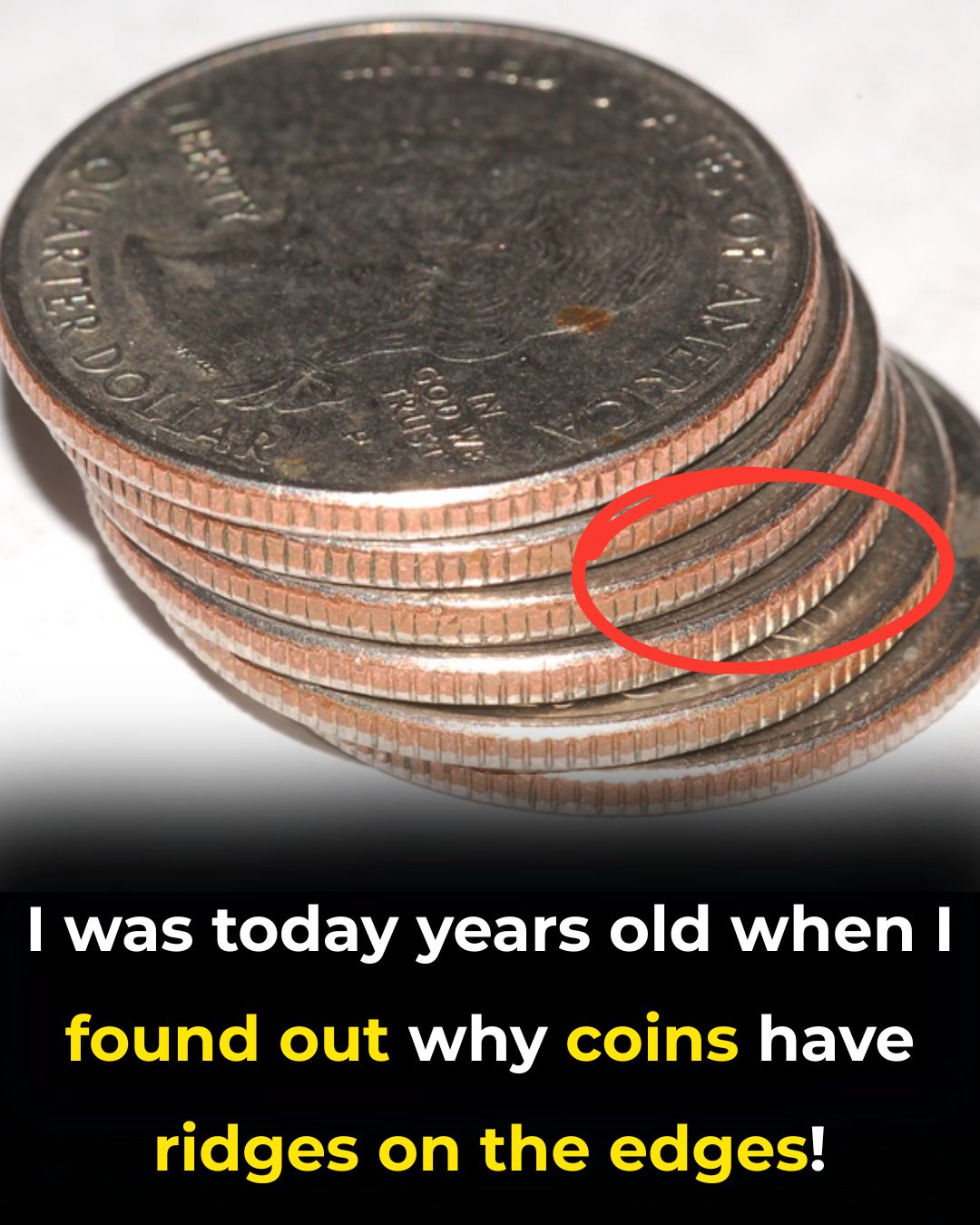
A Clever Solution to an Old Problem
Hundreds of years ago, many coins were made from precious metals like gold and silver. Because these metals were valuable, people sometimes shaved small amounts from the edges of coins and kept the metal dust. Over time, the coin would lose value, but it might still look normal at a glance.
Ridges—also called reeding—were introduced to stop this. If a coin had ridges, any shaving would be immediately obvious. This simple design change protected the value of money and made cheating much harder.
Why Ridges Still Exist Today
Modern coins are no longer made from gold or silver, so edge shaving isn’t really an issue anymore. Yet ridges remain—and for good reasons.
Easy identification: Ridges help people distinguish coins by touch, especially for those with visual impairments.
Vending machines: Coin-operated machines rely on size, weight, and edge texture to identify coins accurately.
Tradition and design: Ridges have become part of classic coin design, connecting today’s money to history.
Smooth vs. Ridged Coins
ADVERTISEMENT
