
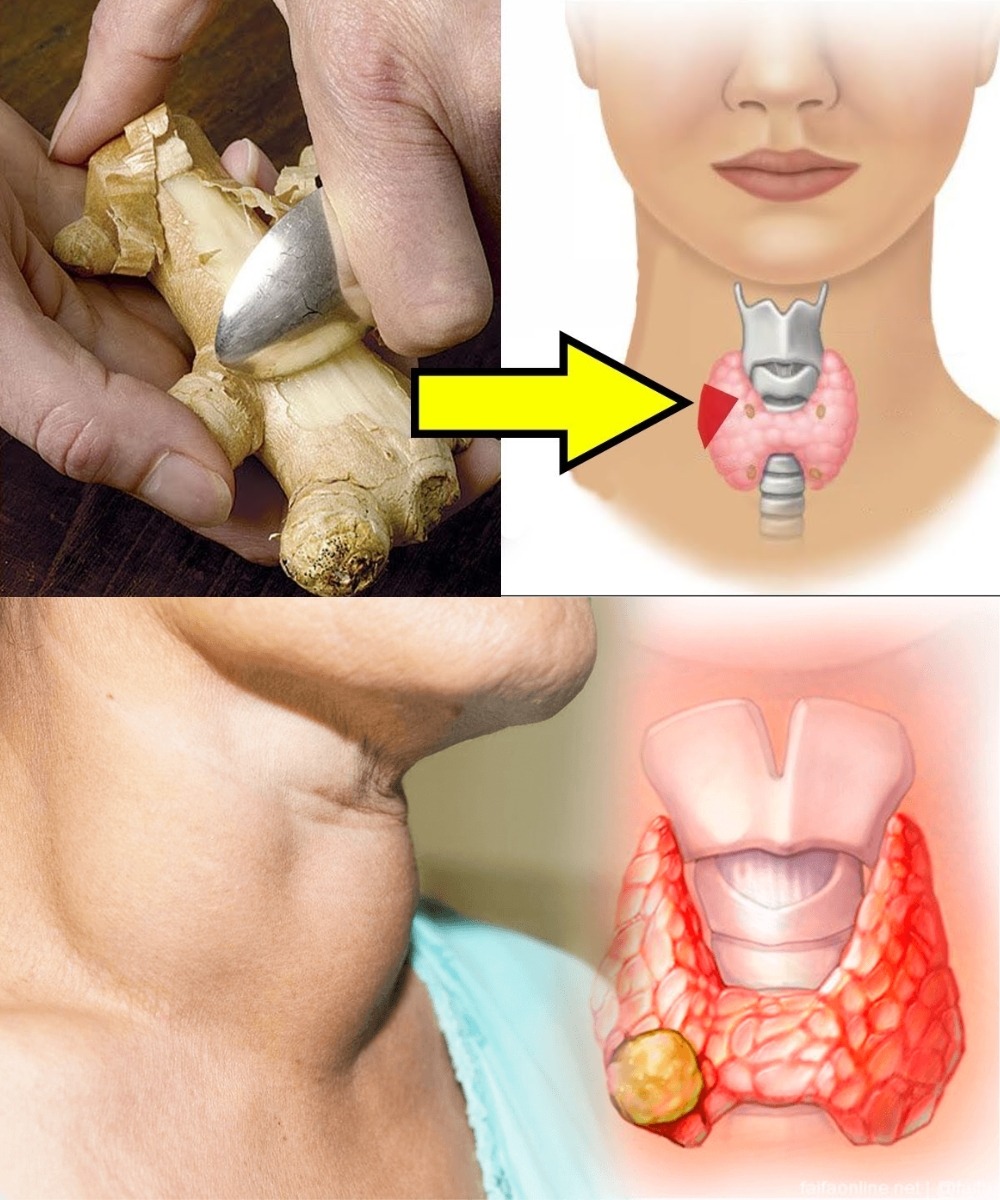
19 Foods to Avoid If You Have Hypothyroidism or Thyroid Problems
If you have hypothyroidism or other thyroid-related conditions, what you eat can play a meaningful role in how you feel day to day. While no single food causes or cures thyroid disease, certain foods may interfere with thyroid hormone production, absorption, or overall thyroid function—especially when eaten frequently or in large amounts.
Understanding which foods to limit can help support your treatment plan and overall well-being.
Why Diet Matters for Thyroid Health
The thyroid is a small gland with a big job: regulating metabolism, energy levels, body temperature, and more. In hypothyroidism, the thyroid doesn’t produce enough hormones. Some foods can interfere with iodine use, disrupt hormone conversion, or affect how well thyroid medication works.
That doesn’t mean you need to eliminate everything forever—but awareness and moderation are key.
19 Foods to Avoid or Limit
1. Soy and Soy-Based Foods
Soy may interfere with thyroid hormone absorption and iodine use. Limit foods like tofu, soy milk, edamame, and soy protein isolate.
2. Cruciferous Vegetables (Raw)
Raw broccoli, cabbage, cauliflower, kale, and Brussels sprouts contain compounds that may block iodine uptake. Cooking significantly reduces this effect.
3. Gluten
For people with Hashimoto’s thyroiditis, gluten may worsen inflammation or trigger autoimmune responses, especially if gluten sensitivity is present.
4. Sugar
Excess sugar can worsen inflammation, contribute to weight gain, and disrupt hormone balance.
5. Highly Processed Foods
Packaged snacks, fast food, and frozen meals often contain unhealthy fats, excess sodium, and additives that can stress the body.
6. Fried Foods
Fried foods increase inflammation and may negatively impact hormone function.
7. Refined Carbohydrates
White bread, pastries, and sugary cereals can spike blood sugar and worsen fatigue and weight gain.
8. Excess Fiber
While fiber is healthy, too much can interfere with thyroid medication absorption if consumed close to dosing time.
9. Alcohol
Alcohol may suppress thyroid hormone production and burden the liver, which helps convert thyroid hormones.
10. Caffeine (in Excess)
Large amounts of coffee or energy drinks may interfere with medication absorption if taken too close together.
11. Millet
This grain contains goitrogens that may affect thyroid function when eaten frequently.
12. Cassava
Cassava contains compounds that can interfere with iodine uptake, especially if not properly prepared.
13. Artificial Sweeteners
Some artificial sweeteners may disrupt gut health and hormone signaling.
14. Fatty Cuts of Meat
High saturated fat intake can increase inflammation and negatively affect hormone balance.
15. Dairy (for Some People)
Those with lactose intolerance or sensitivity may experience inflammation that worsens symptoms.
16. Fast Food
Fast food often contains trans fats, excess salt, and low nutrient value.
17. Excess Iodine-Rich Foods
Too much iodine—from seaweed snacks or supplements—can worsen thyroid dysfunction.
18. Energy Drinks
High caffeine and sugar content can stress adrenal and thyroid function.
19. Supplements Taken Incorrectly
Iron, calcium, and some multivitamins can interfere with thyroid medication if taken at the same time.
What to Focus On Instead
ADVERTISEMENT
