
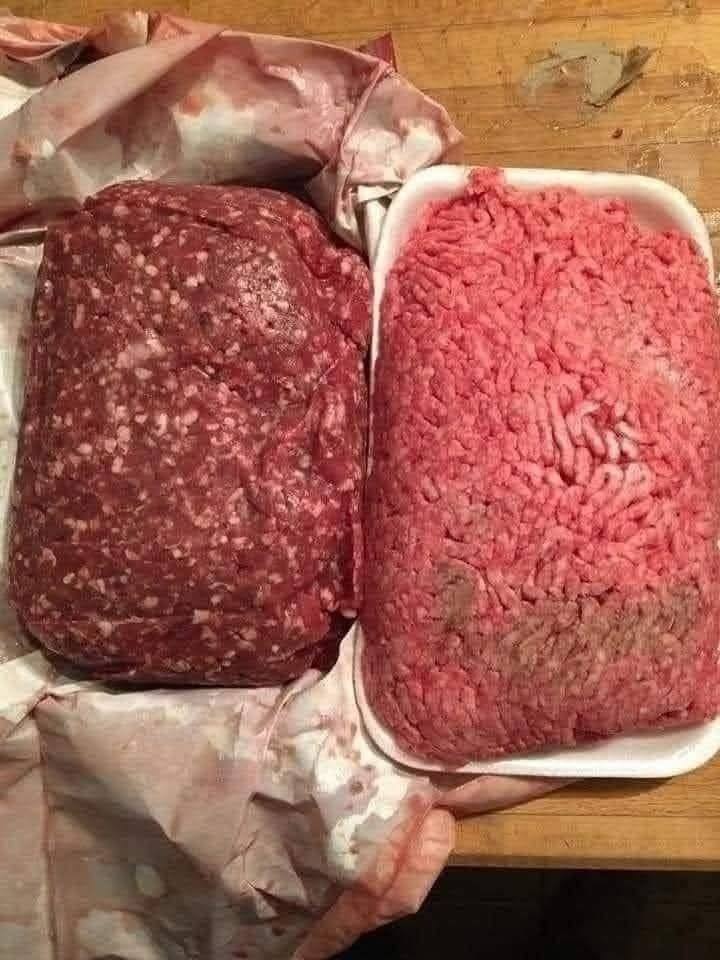
Beef is one of the most commonly consumed proteins in many parts of the world. It appears on dinner tables in countless forms—steaks, burgers, stews, roasts, and stir-fries. For many people, buying beef is a routine task: walk into a grocery store, pick a cut, pay, and cook. But in recent years, more consumers have begun asking deeper questions about where their food comes from. What does “store-bought” really mean? How is it different from beef raised on farms or small ranches? And does that difference actually matter?
Understanding the real difference between store-bought and farm-raised beef goes beyond taste or price. It involves farming practices, animal welfare, nutrition, environmental impact, transparency, and even how we relate to food itself. This article explores those differences in depth, helping you make informed choices based on facts rather than assumptions or marketing claims.
What “Store-Bought Beef” Really Means
The term “store-bought beef” doesn’t describe a single production method. Instead, it refers to beef that is sold through supermarkets, grocery chains, or large retailers. Most of this beef comes from industrial or large-scale commercial systems, although some grocery stores also carry specialty or locally sourced options.
Large-Scale Production Systems
Most conventional store-bought beef follows a multi-stage process:
Breeding and early life – Calves are often born on ranches and raised on pasture for several months.
Feedlots – Many cattle are later moved to feedlots, where they are fed grain-based diets designed to promote rapid weight gain.
Processing and distribution – Beef is processed in large facilities and distributed nationwide or internationally.
This system is designed for efficiency, consistency, and scale. It allows stores to offer beef year-round at relatively stable prices.
Advantages of Store-Bought Beef
Widely available
More affordable for most consumers
Consistent size and appearance
Regulated for food safety
However, consistency and affordability come with trade-offs that are not always obvious to buyers.
What Is Farm-Raised Beef?
Farm-raised beef typically refers to beef produced on small to medium-sized farms or ranches, often with greater emphasis on traditional or natural methods. These farms may sell directly to consumers, through local markets, or via specialty retailers.
Common Characteristics of Farm-Raised Beef
While practices vary, farm-raised beef often involves:
Smaller herds
More time spent grazing on pasture
Slower growth rates
Direct oversight by farmers or ranchers
Farm-raised does not automatically mean organic, grass-fed, or hormone-free, but it is often associated with these practices.
Feeding Practices: Grass vs. Grain
One of the most significant differences between store-bought and farm-raised beef lies in what the cattle eat.
Conventional Store-Bought Beef Diets
Most large-scale operations use grain-based diets in feedlots, often including:
Corn
Soy
By-products from other food industries
This diet increases weight quickly, making beef production more efficient. Grain-fed beef tends to be:
More marbled with fat
Milder in flavor
Softer in texture
Farm-Raised Beef Diets
Farm-raised cattle are more likely to:
Graze on grass for most or all of their lives
Eat seasonal forage
Consume fewer processed feeds
Grass-fed or pasture-raised beef often has:
Leaner meat
A firmer texture
A more pronounced, earthy flavor
Neither feeding system is inherently “bad,” but they produce noticeably different results.
Nutrition: Is One Healthier Than the Other?
Nutrition is often a major reason people consider switching from store-bought to farm-raised beef.
Nutritional Differences
Studies have shown that grass-fed or pasture-raised beef may contain:
Higher levels of omega-3 fatty acids
More conjugated linoleic acid (CLA)
Slightly higher vitamin levels, such as vitamin E
Grain-fed beef, common in stores, tends to have:
Higher total fat content
More saturated fat
Greater calorie density
That said, both types of beef provide:
High-quality protein
Iron
Zinc
B vitamins
The nutritional difference is real but often modest. Overall diet and portion size matter more than beef type alone.
Animal Welfare Considerations
Animal welfare is one of the most emotional aspects of the store-bought vs. farm-raised debate.
Large-Scale Systems
In large commercial operations:
Animals are managed efficiently
Space may be limited in feedlots
Individual animals receive less attention
These systems are regulated, but they prioritize scale and productivity.
Farm-Raised Systems
Smaller farms often provide:
More space per animal
Greater access to pasture
Individual monitoring and care
Farmers are usually more directly involved in daily animal management, which can improve welfare outcomes.
However, not all small farms are humane, and not all large farms neglect animal welfare. Practices matter more than size alone.
Use of Hormones and Medications
This topic often causes confusion and concern.
Store-Bought Beef Practices
In some countries, growth-promoting hormones are allowed in conventional beef production. These hormones:
Help cattle grow faster
Reduce production costs
Increase efficiency
Antibiotics may also be used to prevent or treat illness, especially in crowded environments.
Farm-Raised Beef Practices
Many farm-raised producers:
Avoid growth hormones
Use antibiotics only when necessary
Emphasize prevention through diet and environment
Some farms follow organic standards, which strictly limit medication use.
Regulations ensure that beef sold to consumers is safe, but farming methods still influence public perception and trust.
Taste and Texture Differences
Taste is subjective, but many people notice clear differences.
Store-Bought Beef Flavor Profile
Mild, familiar taste
Tender due to higher fat content
Predictable results when cooking
This consistency is why many restaurants and home cooks rely on conventional beef.
Farm-Raised Beef Flavor Profile
Richer, more complex taste
Slightly firmer texture
Greater variation between animals and seasons
Some people love the deeper flavor, while others prefer the mildness of conventional beef.
Environmental Impact
Environmental sustainability is a growing concern for many consumers.
Industrial Beef Production
Large-scale systems:
Use land efficiently per pound of meat
Require significant grain production
Contribute to greenhouse gas emissions
Feedlots can also create waste management challenges.
Farm-Raised and Pasture-Based Systems
Pasture-based systems may:
Improve soil health
Support biodiversity
Reduce reliance on grain crops
However, they often require more land and time per animal, which can limit scalability.
There is no simple answer; both systems have environmental trade-offs.
Transparency and Trust
One major difference between store-bought and farm-raised beef is how much you know about its origin.
Store-Bought Beef
Often labeled with minimal information
Comes from complex supply chains
Difficult to trace to a specific farm
Farm-Raised Beef
Often sold directly or locally
Farmers can answer questions about practices
Greater sense of connection to the source
For many consumers, this transparency is just as important as taste or nutrition.
Price: Why Farm-Raised Beef Costs More
Farm-raised beef is almost always more expensive, and there are clear reasons:
Slower growth rates
Higher labor costs
Smaller production scale
Higher feed and land expenses
Store-bought beef benefits from economies of scale, making it more affordable for most households.
Higher price does not automatically mean higher quality—but it often reflects different priorities.
Accessibility and Convenience
Store-Bought Beef
Easy to find
Available year-round
Many cuts and options
Farm-Raised Beef
Limited availability
Often sold in bulk or by preorder
Requires planning
Convenience plays a major role in consumer choices, and store-bought beef excels here.
Labels: What They Really Mean
Many people rely on labels to guide their decisions, but labels can be confusing.
Common labels include:
Grass-fed
Pasture-raised
Organic
Natural
These terms have specific definitions in some regions, but not all labels mean the same thing everywhere. Understanding labels is essential to making informed choices.
Making the Right Choice for You
ADVERTISEMENT
