
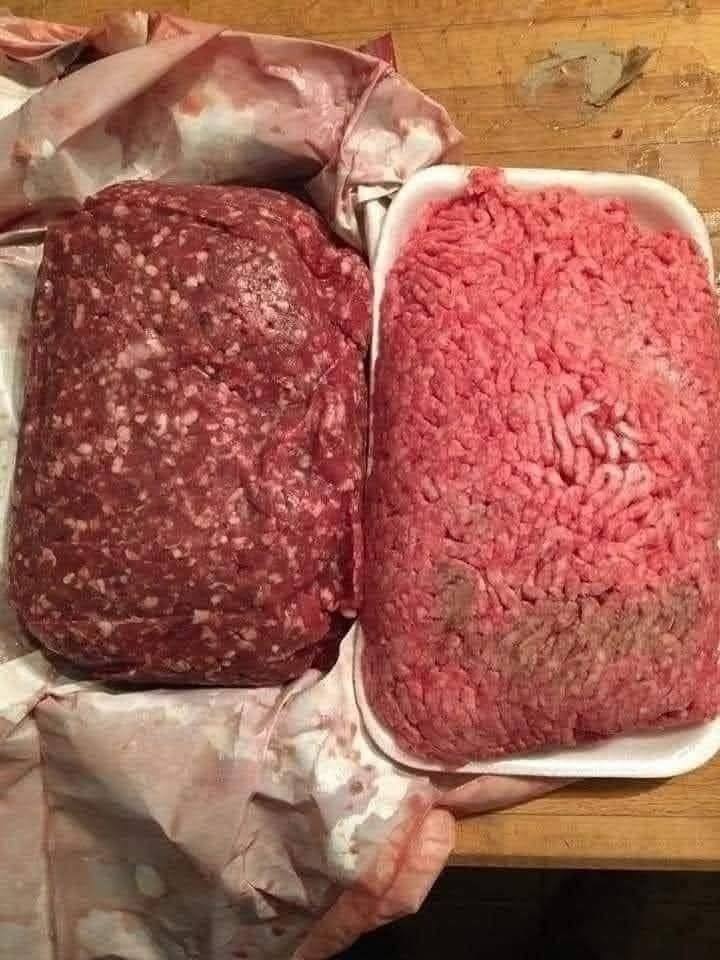
Don’t Be Tricked by Supermarkets: What You Need to Know About Meat Labels
When you walk down the meat aisle at your local supermarket, it can feel overwhelming. Bright packaging, attractive labeling, and promises of “fresh” or “premium quality” are everywhere. But what does it all really mean? Are you getting the meat you think you are? Understanding where your meat comes from, how it’s processed, and what the labels mean can help you make informed choices and avoid being misled.
1. Meat Labels Can Be Confusing
Supermarket meat is labeled in many ways: “natural,” “fresh,” “organic,” “grass-fed,” or “free-range.” While some of these terms are regulated, others are marketing terms designed to make the product sound healthier or more ethical than it may be.
Fresh vs. frozen: Fresh meat may have simply been previously frozen before reaching the store.
Natural: Often means minimally processed, but does not guarantee humane treatment or absence of additives.
Grass-fed or free-range: These terms usually follow certain standards, but the level of oversight can vary depending on the country or certification.
2. Understanding Meat Sourcing
Supermarkets often source meat from large processing plants that may collect animals from multiple farms. This can mean:
Your “local” steak may come from several states away.
Some meat may be processed or injected with solutions to improve flavor, color, or shelf life.
Even premium-looking packaging doesn’t guarantee higher-quality meat—it mostly reflects marketing.
Being aware of this helps you understand that supermarket meat may be different from meat bought directly from a trusted butcher or farm.
3. Reading Labels Carefully
To avoid being misled:
Check the origin: Look for where the meat was raised and processed.
Look for certifications: Organic, USDA-inspected, or other official certifications indicate compliance with certain standards.
ADVERTISEMENT
