
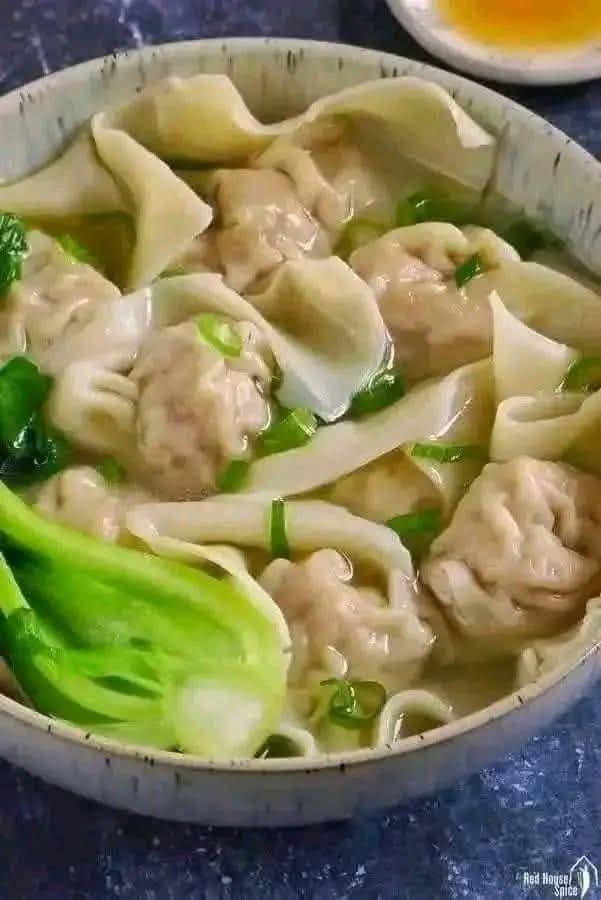
The Origins of Wonton Soup
Wonton soup traces its roots back over 1,000 years to ancient China. The word wonton (馄饨) loosely translates to “swallowing clouds,” a poetic description of the delicate dumplings floating in clear broth. Early forms of wontons were simple dough parcels filled with minced meat, designed to be easy to eat and gentle on the stomach.
Historically, wontons were considered a winter food, valued for their warming properties. Over time, they became associated with festivals, family gatherings, and daily meals alike. As Chinese communities migrated and spread across Asia and later the world, wonton soup evolved—adapting to local ingredients and tastes while retaining its essential character.
Cultural Significance in Chinese Cuisine
In Chinese culinary tradition, food is deeply tied to symbolism, health, and harmony. Wonton soup embodies all three.
Comfort and care: Often served to children, elders, or anyone feeling unwell, wonton soup is seen as nourishing and easy to digest.
Family connection: Making wontons is often a shared activity, especially during holidays or family gatherings.
Balance: The dish balances protein, carbohydrates, and liquid—aligned with traditional Chinese ideas of nutritional harmony.
In many households, a pot of simmering wonton soup signals togetherness and care, not just nourishment.
What Makes Wonton Soup Special?
At first glance, wonton soup may seem simple. Clear broth. Dumplings. A few greens. But its magic lies in the details.
The thin yet resilient wonton wrapper
The savory, juicy filling
The aromatic broth
The subtle seasoning that enhances rather than overwhelms
Each component must work in harmony. When done right, wonton soup feels light but satisfying, delicate yet deeply flavorful.
The Anatomy of a Wonton
The Wrapper
Wonton wrappers are thin sheets of wheat-based dough, similar to dumpling wrappers but even more delicate. Their thinness allows them to cook quickly and absorb flavor from the broth without becoming heavy.
A good wrapper should:
Be flexible and easy to fold
Hold the filling without tearing
Cook to a silky, tender texture
The Filling
Traditional wonton fillings are simple yet flavorful. Common ingredients include:
Ground pork or shrimp (or a combination)
Ginger
Garlic
Scallions
Sesame oil
Soy sauce
The goal is a filling that’s juicy, well-seasoned, and balanced—not overly spiced or dense.
Folding Styles
There are many ways to fold wontons, from simple triangles to intricate shapes resembling gold ingots. While folding styles vary by region and family tradition, the purpose remains the same: to encase the filling securely while allowing even cooking.
The Broth: The Soul of the Soup
If wontons are the heart of the dish, the broth is its soul.
Traditional wonton soup broth is:
Clear and light
Savory but not overpowering
Aromatic with hints of ginger and scallion
Common broth bases include:
Chicken stock
Pork bone stock
Sometimes dried seafood for added depth
The broth is carefully seasoned to enhance the wontons without stealing the spotlight. A great broth feels clean and comforting, leaving you refreshed rather than weighed down.
Regional Variations of Wonton Soup
As wonton soup spread across China and beyond, regional variations emerged—each adding its own character.
Cantonese Wonton Soup
Perhaps the most internationally recognized version, Cantonese wonton soup features:
Shrimp-heavy fillings
Extremely thin wrappers
Clear, delicate broth
Often served with egg noodles
This version emphasizes elegance and subtlety.
Northern Chinese Styles
Northern variations often include:
Thicker wrappers
Heartier meat fillings
Stronger broth flavors
These versions are more filling and suited to colder climates.
Sichuan Influences
While traditional Sichuan cuisine is known for spice, Sichuan-style wontons sometimes appear in soups with a mild heat, often accompanied by chili oil or spicy condiments served on the side.
Wonton Soup Beyond China
As Chinese immigrants settled across Asia, North America, and beyond, wonton soup adapted to new environments.
In Hong Kong, it became a staple of noodle shops.
In Southeast Asia, local herbs and spices were sometimes added.
In Western countries, wonton soup became a familiar offering in Chinese restaurants, often customized for local palates.
Despite these adaptations, the dish has retained its core identity.
A Dish Rooted in Home Cooking
While wonton soup is widely available in restaurants, many people believe its best version comes from home kitchens.
Homemade wonton soup allows for:
Control over ingredients
Adjustments to seasoning
Family-specific folding styles
Shared preparation traditions
For many families, making wontons together is as meaningful as eating them. Children learn by watching elders fold, fill, and seal each dumpling—passing down knowledge through practice rather than recipes.
The Art of Making Wontons at Home
Making wontons from scratch may seem intimidating, but it’s surprisingly approachable.
The process generally involves:
Preparing the filling
Wrapping the wontons
Making the broth
Cooking and assembling the soup
The most time-consuming part is folding the wontons—but many find it meditative and rewarding.
Homemade wontons can also be frozen, making them a convenient meal option for busy days.
Nutritional Value and Comfort
Wonton soup is often considered a “light” meal, but it can be quite nourishing.
Benefits include:
Protein from meat or seafood
Hydration from the broth
Easily digestible ingredients
Customizable sodium levels when homemade
Because it’s gentle on the stomach, wonton soup is commonly eaten during recovery from illness or periods of fatigue.
Wonton Soup in Modern Food Culture
Today, wonton soup occupies a unique space between tradition and innovation.
Modern chefs experiment with:
Alternative proteins
Vegetarian or plant-based fillings
Fusion flavors
Elevated broths using premium ingredients
ADVERTISEMENT
