
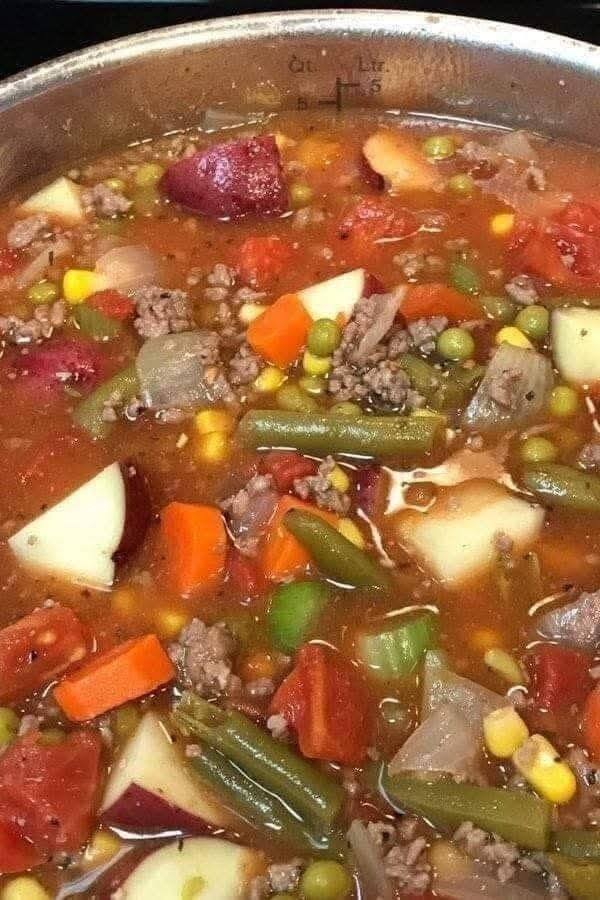
Vegetable Beef Soup: A Bowl Full of Comfort, History, and Home
There are certain foods that don’t just feed the body—they feed memory, emotion, and a sense of belonging. Vegetable beef soup is one of those dishes. It’s not flashy. It doesn’t rely on rare ingredients or complicated techniques. Yet for generations, it has been a staple in kitchens around the world, simmering quietly on stovetops, filling homes with warmth and familiar aromas.
Vegetable beef soup is more than a recipe. It’s a tradition passed down through families, shaped by geography, season, and necessity. It’s the kind of meal that shows up when the weather turns cold, when someone is sick, when money is tight, or when comfort is needed most.
In this post, we’ll explore what makes vegetable beef soup so enduring—from its deep historical roots to its nutritional value, from regional variations to the emotional role it plays in our lives. By the end, you may find yourself craving not just a bowl of soup, but the sense of home that comes with it.
The Humble Power of Soup
Soup is one of humanity’s oldest foods. Long before ovens, blenders, or precise measurements, people cooked ingredients together in pots over fire. Soup was efficient, adaptable, and forgiving—qualities that made it ideal for feeding families across centuries.
Vegetable beef soup embodies these qualities perfectly. At its core, it is simple: meat, vegetables, liquid, time. But within that simplicity lies endless variation and meaning.
Unlike many modern dishes designed to impress, vegetable beef soup was designed to sustain. It was a way to stretch ingredients, use what was available, and create something filling and nourishing from modest means.
A Brief History of Vegetable Beef Soup
Origins in Necessity
The concept of combining meat and vegetables in a broth dates back thousands of years. Early civilizations discovered that simmering tougher cuts of meat made them tender and flavorful. Adding vegetables not only improved taste but also increased nutritional value.
Beef, when available, was often used sparingly. In many households, meat was expensive, so it was stretched with root vegetables, grains, and legumes. Soup allowed a small amount of beef to flavor an entire pot.
Vegetable beef soup, in various forms, appeared wherever cattle were raised and vegetables could be grown—Europe, North America, parts of Asia, and beyond.
Immigrant Kitchens and Adaptation
In the United States, vegetable beef soup became especially popular among immigrant families. European settlers brought their soup traditions with them, adapting recipes to local ingredients.
Potatoes replaced turnips. Tomatoes were added where available. Corn found its way into soups in regions where it was abundant. Over time, each family developed its own “right” way to make vegetable beef soup.
No two versions were exactly alike—and that was the point.
Why Vegetable Beef Soup Feels Like Home
Familiarity and Ritual
For many people, vegetable beef soup is tied to specific memories:
A parent cooking on a cold afternoon
A grandparent stirring a pot on the stove
A bowl served after a long day of work or school
The smell alone can trigger nostalgia. The slow simmering, the sound of a lid rattling, the steam fogging up kitchen windows—these are sensory experiences tied to safety and care.
Soup is often made in large batches, meant to be shared. That act of sharing reinforces its emotional power.
Comfort Without Complexity
Part of vegetable beef soup’s comfort comes from its predictability. You know what you’re getting. It doesn’t surprise or challenge you. It reassures you.
In a world full of constant change, there is something deeply grounding about a dish that remains the same across generations.
The Anatomy of Vegetable Beef Soup
Though recipes vary widely, most vegetable beef soups share a similar structure.
The Beef
Traditionally, tougher cuts of beef are used—chuck, shank, or stew meat. These cuts benefit from long, slow cooking, becoming tender while enriching the broth.
The beef provides:
Depth of flavor
Protein
Richness that balances the vegetables
The Vegetables
Vegetables are the heart of the soup. Common choices include:
Carrots
Potatoes
Celery
Onions
Tomatoes
Green beans
Peas
Corn
Seasonal availability often determines what goes in the pot. That flexibility is part of the soup’s charm.
The Broth
The liquid ties everything together. Some cooks use water, others use beef stock, and many rely on a combination of both. As the soup simmers, the ingredients create their own broth, rich with flavor.
Herbs and seasonings—such as bay leaves, garlic, pepper, or thyme—add subtle complexity without overpowering the dish.
Regional and Family Variations
Southern-Style Vegetable Beef Soup
In many Southern kitchens, vegetable beef soup includes:
Tomatoes as a prominent base
Corn and lima beans
A slightly thicker consistency
This version often leans toward heartiness and is served with cornbread or biscuits.
Midwestern and Northern Versions
In colder regions, vegetable beef soup may be:
Thicker
Heavier on potatoes and root vegetables
Less tomato-forward
It’s designed to sustain through long winters.
European Influences
European versions may include:
Barley or pasta
Fewer vegetables but richer broth
Herbs like parsley or bay leaf
These soups often reflect older traditions of peasant cooking.
“Whatever’s in the Fridge” Soup
Perhaps the most authentic version is the one made without a recipe at all. Leftover vegetables, small amounts of beef, and whatever needs to be used up go into the pot.
This improvisational approach is how countless family “recipes” were born.
The Nutrition Behind the Comfort
Vegetable beef soup isn’t just comforting—it’s nourishing.
Balanced Nutrition
A well-made vegetable beef soup provides:
Protein from beef
Fiber from vegetables
Vitamins and minerals from a variety of plant sources
Hydration from the broth
Because it includes multiple food groups in one dish, it can be surprisingly balanced.
Easy to Digest
The long cooking process breaks down fibers and proteins, making soup easier to digest than many solid foods. This is one reason soup is often served when someone is feeling unwell.
Customizable for Health Needs
Vegetable beef soup can be adapted easily:
Lower sodium by controlling salt
Add more vegetables for extra fiber
Use leaner beef cuts if desired
Adjust portion sizes without sacrificing satisfaction
Its flexibility makes it suitable for many lifestyles.
The Role of Time in Soup Making
One of the most overlooked ingredients in vegetable beef soup is time.
This is not a rushed dish. Flavor develops slowly as ingredients soften and meld together. The longer it simmers, the better it becomes.
There’s something almost meditative about soup-making:
Chopping vegetables
Watching the pot
Adjusting seasoning gradually
In a fast-paced world, soup invites you to slow down.
Why Soup Tastes Better the Next Day
Anyone who has eaten leftover vegetable beef soup knows it often tastes better after resting.
This happens because:
Flavors continue to blend
Starches thicken the broth
Seasonings mellow and balance
Leftover soup becomes a gift to your future self.
Soup as a Social Food
Vegetable beef soup is rarely made for one person. It’s meant for families, neighbors, and gatherings.
It shows up:
At community events
After funerals
During illnesses
On busy weekdays when everyone needs something warm
Bringing someone soup is a quiet act of care. It says, “I thought of you.”
The Emotional Language of Food
Food communicates things words sometimes can’t. Vegetable beef soup speaks in a language of patience, generosity, and resilience.
It doesn’t demand attention.
It doesn’t compete.
It simply offers comfort.
That’s why it has survived generations of changing food trends.
Teaching Through Soup
Many people learn basic cooking skills through soup:
How to chop vegetables
How to season gradually
How to judge doneness
How to trust taste over measurements
Vegetable beef soup is often a first recipe taught to young cooks because it’s forgiving. Mistakes don’t ruin it—they become part of the learning.
Soup in Times of Scarcity
Historically, soup thrived during hard times:
Economic downturns
Wars
Natural disasters
Vegetable beef soup, in particular, taught families how to stretch limited resources without sacrificing nourishment.
That legacy still matters today.
Modern Takes on a Classic
While the heart of vegetable beef soup remains unchanged, modern kitchens have introduced new twists:
Slow cookers and pressure cookers
Organic or locally sourced vegetables
Global spices added subtly
Plant-forward versions with reduced meat
Yet even these updates honor the original spirit of the dish.
Why Vegetable Beef Soup Endures
Trends come and go. Food fads rise and fall. But vegetable beef soup remains.
ADVERTISEMENT
