
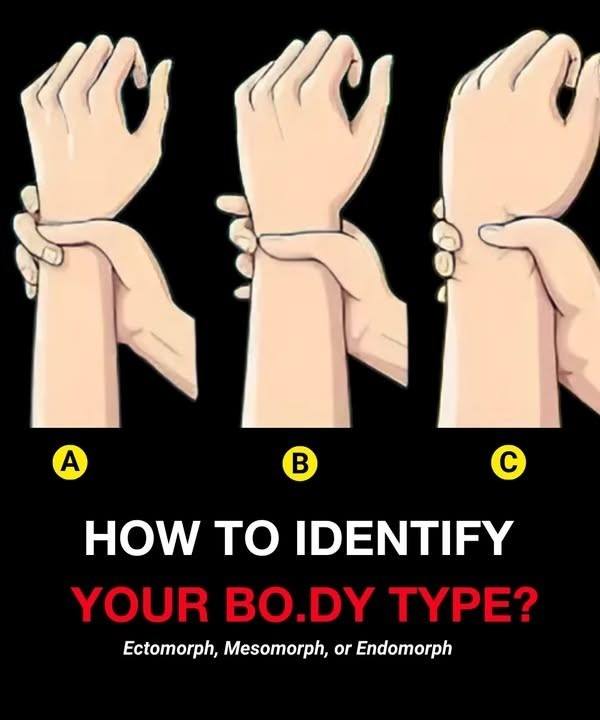
Body Types: Are You Ectomorph, Mesomorph, or Endomorph?
Have you ever wondered why some people gain muscle easily, while others struggle to put on weight no matter how much they eat? Body type theory offers a simple way to understand how genetics may influence body shape, metabolism, and physical performance. The three most commonly discussed body types are ectomorph, mesomorph, and endomorph.
What Are Body Types?
Body types, also known as somatotypes, were introduced to describe general physical tendencies. While most people don’t fit perfectly into just one category, understanding your dominant body type can help guide fitness and nutrition choices.
Ectomorph: Naturally Lean
Ectomorphs are typically slim with a light frame and fast metabolism. They often find it difficult to gain weight or muscle.
Common characteristics:
Narrow shoulders and hips
Long limbs
Low body fat
Difficulty gaining weight
Fitness and nutrition tips:
Focus on strength training with heavier weights
Limit excessive cardio
Eat calorie-dense, nutrient-rich foods
Prioritize rest and recovery
Mesomorph: Naturally Athletic
Mesomorphs tend to have a muscular, well-proportioned build and respond quickly to exercise.
Common characteristics:
Broad shoulders and narrow waist
Easily gain muscle
Moderate body fat levels
Strong and athletic appearance
Fitness and nutrition tips:
Combine strength training and cardio
Maintain balanced nutrition
Avoid overtraining
Adjust calories based on goals
Endomorph: Naturally Curvier
Endomorphs often have a softer, rounder body shape and may gain fat more easily.
Common characteristics:
Wider hips and shoulders
Higher body fat percentage
Slower metabolism
Gains weight easily
Fitness and nutrition tips:
Focus on consistent exercise
Combine strength training with cardio
Monitor portion sizes
Prioritize protein and fiber
ADVERTISEMENT
