
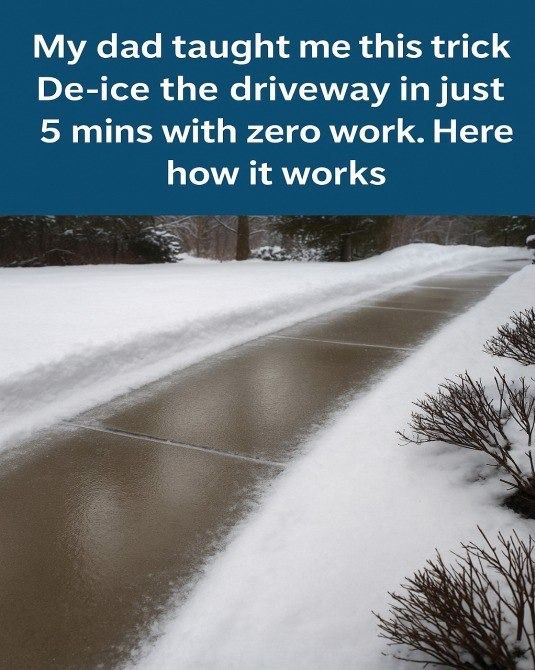
Easy Ways to Keep Your Walkways Clear and Safe in Winter
Winter can transform your neighborhood into a beautiful winter wonderland, but it also brings slippery sidewalks and snow-covered walkways that can pose safety risks. Keeping your walkways clear and safe doesn’t have to be a difficult chore. With the right preparation and simple techniques, you can protect yourself, your family, and visitors from accidents while making winter maintenance more manageable.
1. Shovel Early and Often
Snow removal is easiest when done frequently. Instead of waiting for a heavy snowfall to accumulate, try shoveling multiple times during a storm. Removing snow while it’s still light prevents it from compacting into ice, which is much harder to remove. For large driveways or walkways, consider using a snow blower to save time and energy.
2. Use Salt or Ice Melt Strategically
Ice melt products can prevent slippery surfaces, but it’s important to use them correctly. Sprinkle a thin layer on areas prone to ice before and after a snowfall. Rock salt is effective, but be mindful of the environment and your plants. Alternatives like calcium chloride or sand provide traction without causing as much damage to concrete or greenery.
3. Keep Walkways Well-Lit
Visibility is crucial during winter months when daylight is limited. Install outdoor lighting along your paths and steps to help you see icy patches early. Solar-powered lights or motion sensor lamps are convenient options that reduce the risk of slips after dark.
4. Create Traction
Even with regular shoveling, ice can form unexpectedly. Adding sand, kitty litter, or gravel to walkways provides additional grip. These materials don’t melt ice, but they make it easier to walk safely until you can shovel or apply ice melt.
5. Maintain Footwear and Equipment
Proper winter footwear is essential for safety. Boots with non-slip soles improve traction on icy surfaces. Additionally, make sure your shovels, snow blowers, and ice melt supplies are in good working condition before the snow hits. Having everything ready in advance can save you frustration when a storm arrives.
ADVERTISEMENT
