
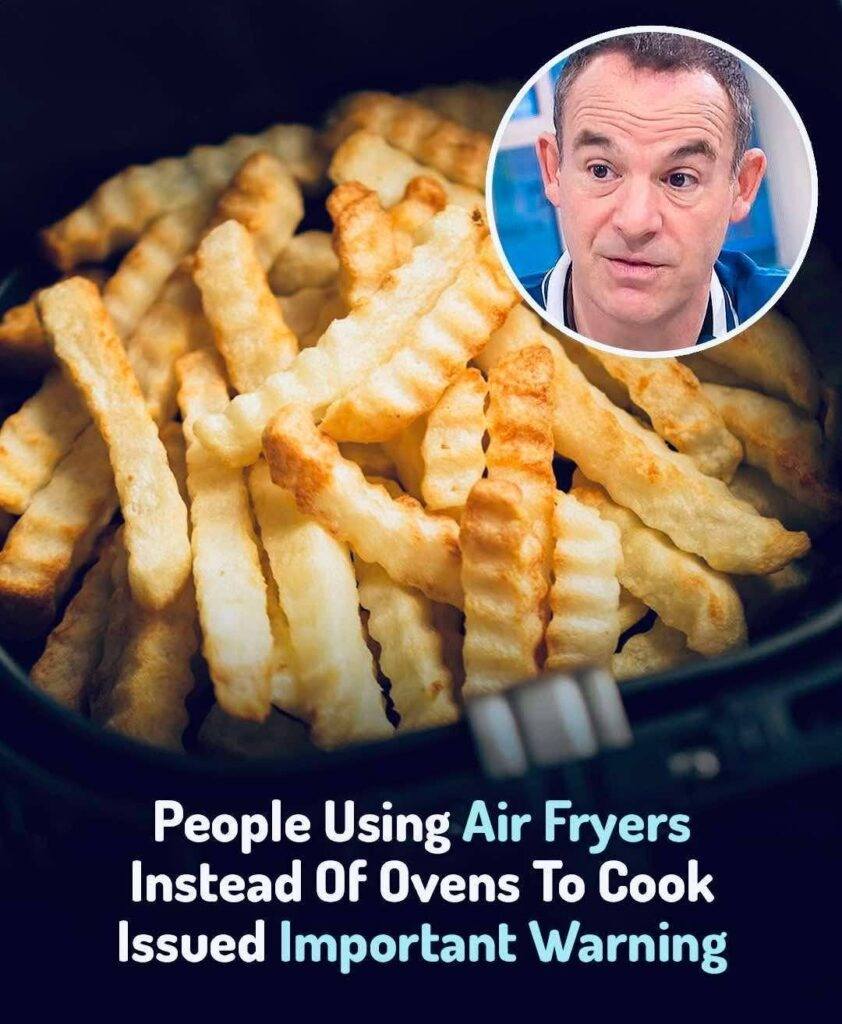
Experts Caution Against Using Air Fryers Instead of Ovens: Here’s What You Need to Know
Air fryers have skyrocketed in popularity over the past few years, becoming a go-to appliance for quick, crispy meals without the hassle of preheating a traditional oven. Their convenience, speed, and reputation for healthier cooking have made them a staple in millions of kitchens.
But as more people rely on air fryers for everyday cooking, experts are raising an important point: air fryers aren’t meant to fully replace ovens—and using them as a complete substitute can lead to limitations, safety risks, and disappointing results.
Here’s what you need to know before ditching your oven entirely.
1. Air Fryers Have Limited Capacity
One of the biggest drawbacks of air fryers is their size.
Even the largest models can’t match the capacity of a standard oven, making them less effective for:
Family-sized meals
Holiday dishes
Baking multiple trays
Roasting large cuts of meat
Trying to overcrowd an air fryer basket often leads to uneven cooking, soggy textures, and longer cooking times—defeating the point of the appliance.
2. They Aren’t Ideal for All Recipes
Air fryers excel at crisping and reheating, but they’re not designed for every cooking method.
Recipes that don’t perform well in air fryers:
Soufflés, delicate pastries, or large baked goods
Foods that need slow, even heating (like casseroles)
Thick roasts or whole poultry
Saucy or liquid-heavy dishes
An oven distributes heat more evenly across larger surfaces, making it the better choice for complex cooking techniques.
3. Overuse Can Lead to Wear and Shortened Lifespan
Using an air fryer multiple times a day for high-heat cooking can cause premature wear. Nonstick baskets may degrade faster, heating elements can weaken, and performance can decline over time.
While ovens are built for heavy-duty daily use, air fryers are best suited for small to medium cooking tasks.
4. Nutritional Differences Are Not Always What They Seem
Air fryers are marketed as a healthier alternative to deep frying, and in most cases, that’s true. But experts warn that relying solely on air-fried foods can give people a false sense of eating “healthy” all the time.
Many oven-based cooking methods—like steaming, roasting, or baking—can be just as healthy, often without the intense dry heat that air fryers use.
5. Potential Safety Concerns
While air fryers are generally safe, improper or excessive use can lead to issues such as:
Overheating due to poor ventilation
Smoke buildup from fatty foods
Fire hazards if placed too close to walls or under cabinets
Nonstick coating deterioration when overheated
Unlike ovens, which are built-in and heavily insulated, air fryers require careful placement and maintenance.
6. Texture and Flavor Aren’t Always Better
Though air fryers shine with fries, wings, and frozen snacks, they don’t always deliver better results. Some foods taste drier, tougher, or less flavorful compared to oven-cooked versions.
Ovens allow for:
Slower, more even browning
Better moisture retention
Superior baking performance
For many dishes, the oven still produces the best texture.
So, Should You Stop Using Your Air Fryer?
Absolutely not—air fryers are fantastic tools. But experts recommend treating them as a complement to your oven, not a replacement for it.
Use your air fryer for:
Quick reheating
Small batches
Crispy snacks
Frozen foods
Low-oil cooking
Use your oven for:
ADVERTISEMENT
