
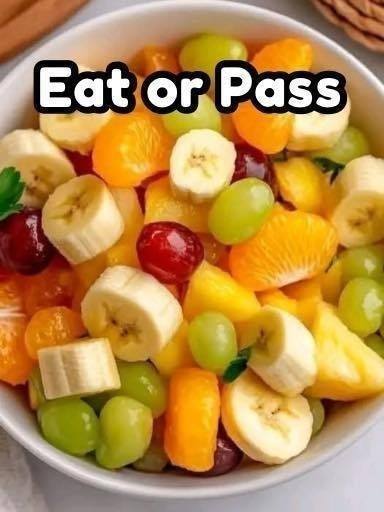
Fresh Fruit Salad Recipe: A Colorful & Healthy Treat for Any Occasion
When it comes to food that’s as beautiful as it is nourishing, nothing compares to a fresh fruit salad. Bursting with vibrant colors, sweet aromas, and a variety of textures, fruit salad is more than just a side dish—it’s a celebration of nature’s bounty. Whether you’re preparing a simple snack for yourself, a refreshing addition to a family brunch, or a show-stopping dish for a party, a fresh fruit salad can make any occasion brighter and healthier.
In this blog post, we’ll explore everything you need to know to create the perfect fresh fruit salad. From selecting the best fruits to mixing flavors, textures, and even creative dressings, you’ll discover that making a fruit salad is both an art and a science. By the end, you’ll have all the tips and tricks to craft a colorful and irresistible treat for any occasion.
Why Fresh Fruit Salad is a Must-Have
Fresh fruit salads aren’t just visually appealing—they’re packed with nutrients and offer numerous health benefits. Incorporating a wide range of fruits into your diet ensures that you get a variety of vitamins, minerals, antioxidants, and fiber. Here are some compelling reasons to include fruit salad in your meals:
Nutrient-Rich
Fruits are nature’s multivitamins. Citrus fruits like oranges and grapefruits are high in vitamin C, which supports immunity. Berries are rich in antioxidants that help combat oxidative stress. Bananas provide potassium, which supports heart and muscle health. By combining multiple fruits in a salad, you get a nutrient-packed meal in every bite.
Low in Calories, High in Satisfaction
Unlike processed snacks loaded with sugar and unhealthy fats, fresh fruits offer natural sweetness and fiber, keeping you full without the extra calories. This makes fruit salad perfect for weight-conscious individuals or anyone seeking a guilt-free indulgence.
Hydrating and Refreshing
Many fruits, like watermelon, oranges, and grapes, have high water content, which helps keep your body hydrated, especially during hot summer months. A chilled fruit salad can be a refreshing pick-me-up on a warm day.
Supports Digestion
The fiber in fruits aids digestion and supports gut health. Ingredients like apples, pears, and berries can prevent constipation and promote a healthy digestive system.
Versatile and Easy to Customize
You can adjust a fruit salad to suit your taste preferences, dietary needs, or seasonal availability. You can make it tropical with mangoes and pineapple, or keep it local with apples, berries, and grapes. The possibilities are endless.
Choosing the Perfect Fruits
Selecting the right fruits is key to making a fruit salad that is both flavorful and visually appealing. Consider the following when choosing your fruits:
Color Variety: A good fruit salad is a feast for the eyes. Combine reds, yellows, greens, purples, and oranges for maximum appeal. Think strawberries, kiwis, blueberries, mangoes, and grapes.
Texture Contrast: Mix soft fruits with firmer ones. Bananas, berries, and peaches add softness, while apples, pears, and pineapple chunks provide crunch.
Flavor Balance: Aim for a balance between sweet and tart flavors. For instance, pairing the sweetness of grapes with the tanginess of kiwi creates a harmonious taste.
Freshness: Choose fruits that are in season and ripe but not overly soft. Fresh, ripe fruits offer the best flavor and nutritional value.
Essential Ingredients for a Fresh Fruit Salad
Here’s a list of fruits and optional additions to create a vibrant and balanced fruit salad:
Fruits:
Strawberries, sliced
Blueberries
Raspberries
Blackberries
Mango, cubed
Pineapple, cubed
Kiwi, sliced or cubed
Grapes, halved
Apple, cubed
Pear, cubed
Banana, sliced (add just before serving to prevent browning)
Optional Additions:
Pomegranate seeds for a burst of color and crunch
Cherries, pitted and halved
Citrus segments (orange, grapefruit)
Coconut flakes for a tropical touch
Dressing (Optional but Recommended):
Juice of 1 lemon or lime to enhance flavors and prevent browning
1-2 tablespoons honey or maple syrup for natural sweetness
Fresh mint leaves, chopped, for freshness
A pinch of cinnamon or ginger for subtle warmth
Step-by-Step Fresh Fruit Salad Recipe
Here’s a simple recipe that serves 4–6 people.
Ingredients:
1 cup strawberries, sliced
1 cup blueberries
1 cup mango, cubed
1 cup pineapple, cubed
1 kiwi, sliced
1 banana, sliced
1 tablespoon lemon juice
1 tablespoon honey
Fresh mint leaves for garnish
Instructions:
Prepare the Fruits:
Wash all fruits thoroughly. Peel and cut fruits as needed. For example, hull the strawberries, peel the mango and kiwi, and cube the pineapple.
Mix the Dressing:
In a small bowl, combine lemon juice and honey. Stir until well blended. The citrus juice not only enhances flavor but also prevents fruits like apple and banana from browning.
Combine Fruits:
In a large mixing bowl, gently toss all the fruits except the banana. Drizzle the dressing over the fruit and mix carefully to avoid bruising delicate berries.
Add Banana Last:
Add banana slices just before serving to prevent them from turning brown.
Garnish and Serve:
Sprinkle chopped fresh mint leaves on top for a refreshing aroma and flavor. Serve immediately, or chill for 30 minutes for a cooler, more refreshing salad.
Tips for the Perfect Fruit Salad
Creating a fruit salad that is both tasty and visually appealing requires a few insider tips:
Cut Fruits Uniformly:
Uniformly cut fruits not only look better but also ensure even distribution of flavors in every bite.
Chill Before Serving:
Refrigerate the salad for at least 30 minutes before serving. This allows flavors to meld together and makes the salad extra refreshing.
Mix Gently:
Berries and soft fruits can become mushy if overmixed. Use a large spoon and fold gently.
Prevent Browning:
Fruits like apples, bananas, and pears brown quickly when exposed to air. Coat them lightly with lemon or lime juice to maintain their bright appearance.
Season Lightly:
A pinch of salt can enhance the sweetness of fruits. You can also add spices like cinnamon or nutmeg for a unique twist.
Creative Variations of Fruit Salad
A fresh fruit salad doesn’t have to be ordinary. Here are some creative variations to elevate this simple dish:
1. Tropical Fruit Salad:
Include mango, pineapple, papaya, and coconut flakes. Dress with lime juice and a drizzle of honey for a tropical escape in every bite.
2. Berry Bliss:
Focus on berries—strawberries, blueberries, raspberries, and blackberries. Add a splash of orange juice and fresh mint for a bright, antioxidant-rich salad.
3. Citrus Sunshine:
Combine orange, grapefruit, and tangerine segments. Sprinkle with pomegranate seeds and a hint of honey. This salad is bursting with vitamin C and flavor.
4. Creamy Yogurt Fruit Salad:
Mix your fruits with a spoonful of Greek yogurt and a drizzle of honey. Add granola or nuts for crunch. This makes a more filling breakfast or snack option.
5. Exotic Fusion:
Combine familiar fruits with unusual options like dragon fruit, starfruit, or passionfruit. This is perfect for a party where presentation matters.
Serving Suggestions for Any Occasion
Fruit salad is incredibly versatile. Here’s how you can serve it in different settings:
Breakfast: Top with yogurt and granola for a wholesome start to your day.
Lunch or Dinner Side: Pair with grilled chicken or fish for a light, refreshing side dish.
Party Appetizer: Serve in small glass cups or hollowed-out pineapple halves for an elegant presentation.
Dessert: Drizzle with dark chocolate or a dollop of whipped cream for a healthier dessert option.
Snack: Keep a chilled bowl ready for a quick energy-boosting snack.
Health Benefits of Each Fruit
To make your fruit salad both delicious and nutritious, consider the unique benefits of the fruits you include:
Strawberries: High in vitamin C, antioxidants, and fiber. Supports heart health.
Blueberries: Rich in antioxidants, improve brain function, and help regulate blood sugar.
Mango: Packed with vitamin A and C, good for immunity and eye health.
Pineapple: Contains bromelain, aiding digestion and reducing inflammation.
Kiwi: High in vitamin C and fiber, promotes digestion and immunity.
ADVERTISEMENT
