
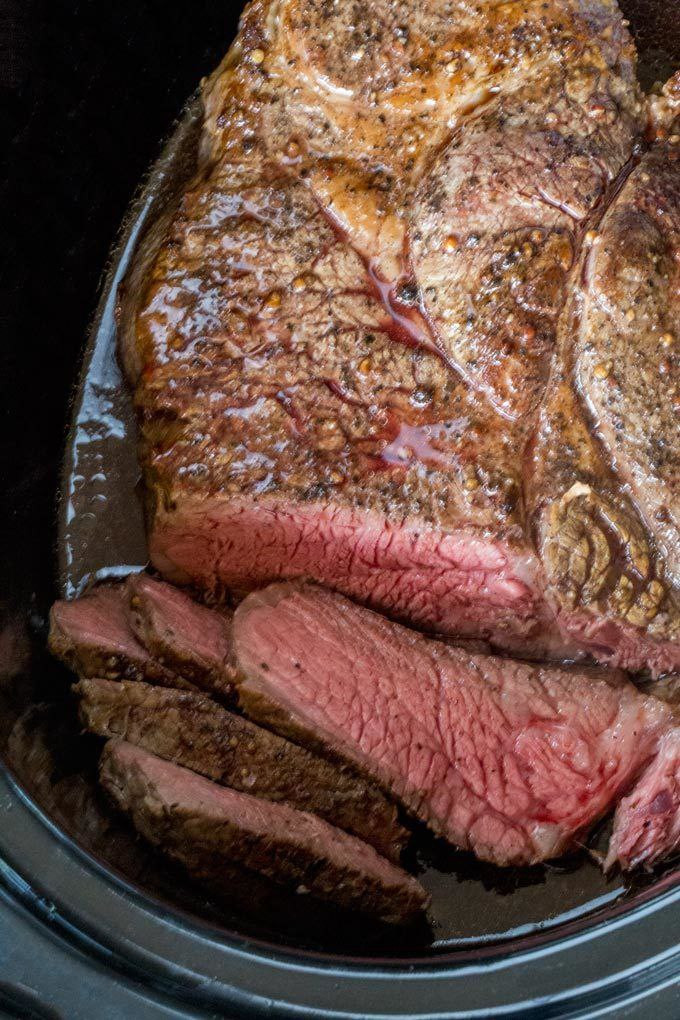
How to Cook a Sirloin Beef Roast: A Complete Guide to Tender, Flavorful Perfection
Cooking a sirloin beef roast is one of the most rewarding experiences in home cooking. It’s a dish that feels both classic and impressive—perfect for family dinners, special occasions, or when you simply want to elevate your everyday cooking. While sirloin roast is leaner than cuts like ribeye or chuck, when prepared correctly, it delivers incredible flavor, tenderness, and elegance.
This comprehensive guide will walk you through everything you need to know about cooking a sirloin beef roast—from choosing the right cut and seasoning it properly to cooking methods, doneness levels, resting, slicing, and serving. Whether you’re a beginner or a seasoned home cook, this article will help you master sirloin roast with confidence.
Understanding Sirloin Beef Roast
Before cooking any cut of meat, it’s essential to understand what makes it unique. Sirloin comes from the rear back portion of the cow, near the hip. This area gets more exercise than the rib section, which means sirloin is leaner but still flavorful.
Types of Sirloin Roasts
There are several sirloin cuts commonly sold as roasts:
Top Sirloin Roast – The most popular and tender option
Bottom Sirloin Roast – Slightly tougher but very flavorful
Sirloin Tip Roast – Lean and economical, best cooked carefully
Because sirloin is lean, it benefits greatly from proper seasoning, controlled cooking temperatures, and resting time.
Why Choose a Sirloin Beef Roast?
Sirloin roast offers several advantages:
Leaner than many other roasts
More affordable than prime rib
Versatile and easy to season
Perfect for slicing and serving family-style
Excellent for leftovers
With the right technique, sirloin roast delivers restaurant-quality results at home.
Choosing the Best Sirloin Roast
The success of your roast begins at the butcher counter.
What to Look For:
Color: Bright red with no gray patches
Marbling: Light marbling is ideal (sirloin is naturally lean)
Thickness: A uniform shape cooks more evenly
Weight: 2–4 pounds is ideal for home roasting
If possible, ask your butcher for a top sirloin roast, which is the most forgiving and tender option.
Preparing the Sirloin Roast
Step 1: Bring to Room Temperature
Remove the roast from the refrigerator 45–60 minutes before cooking. This helps ensure even cooking and prevents a cold center.
Step 2: Trim and Tie (Optional)
Trim excessive surface fat if needed
Tie the roast with butcher’s twine to maintain shape and ensure even cooking
Step 3: Pat Dry
Moisture prevents browning. Use paper towels to thoroughly dry the surface.
Seasoning the Sirloin Roast
Sirloin has a clean, beefy flavor that shines with simple seasoning.
Classic Seasoning:
Kosher salt
Freshly ground black pepper
Olive oil
Flavor Enhancers (Optional):
Garlic (fresh or powdered)
Rosemary or thyme
Paprika
Onion powder
Dijon mustard (for a crust)
Massage seasoning generously into all sides of the roast.
Cooking Methods for Sirloin Beef Roast
There are several reliable ways to cook a sirloin roast. Each method has its advantages.
Method 1: Oven-Roasted Sirloin Beef Roast (Classic Method)
Step-by-Step Instructions:
Preheat Oven
Preheat to 425°F (220°C).
Sear the Roast
Heat a heavy skillet over high heat with oil.
Sear the roast on all sides until deeply browned (2–3 minutes per side).
Transfer to Roasting Pan
Place the roast on a rack inside a roasting pan.
Roast
Start at 425°F for 15 minutes
Reduce heat to 325°F (165°C)
Continue roasting until desired doneness
Internal Temperature Guide:
Rare: 120–125°F
Medium-rare: 130–135°F
Medium: 140–145°F
Medium-well: 150–155°F
Remove roast 5–10°F below target temperature (carryover cooking).
Method 2: Reverse-Sear Sirloin Roast (Highly Recommended)
This method ensures even doneness from edge to center.
Steps:
Roast at 250°F (120°C) until internal temp reaches 120°F
Remove roast and rest briefly
Sear in a hot skillet or oven at 500°F for 5–10 minutes
Result: Perfectly even doneness and a beautiful crust.
Method 3: Slow Cooker Sirloin Roast
Sirloin can be cooked in a slow cooker, but careful timing is crucial.
Tips:
Sear first for flavor
Add broth or vegetables for moisture
Cook on low for 4–6 hours
Avoid overcooking to prevent dryness
Resting the Roast: A Critical Step
Resting allows juices to redistribute throughout the meat.
Rest 15–20 minutes
Tent loosely with foil
Do not skip this step
Skipping resting results in dry meat.
How to Slice a Sirloin Roast
Always slice against the grain.
Look for muscle fibers
Cut perpendicular to them
Use a sharp carving knife
Thin slices maximize tenderness.
Making a Simple Pan Gravy (Optional)
Ingredients:
Pan drippings
Beef broth
Flour or cornstarch
Salt and pepper
Steps:
Deglaze pan with broth
Simmer and reduce
Thicken as desired
Season to taste
Best Side Dishes for Sirloin Roast
Classic pairings include:
Roasted potatoes
Mashed potatoes
Carrots and green beans
Yorkshire pudding
Fresh garden salad
These sides balance the richness of the beef.
Common Mistakes to Avoid
Cooking straight from the fridge
Overcooking (sirloin dries quickly)
Skipping the sear
Not resting the roast
Slicing with the grain
Avoiding these mistakes ensures success.
Storing and Using Leftovers
Sirloin roast leftovers are incredibly versatile.
Storage:
Refrigerate up to 4 days
Freeze sliced portions up to 2 months
Leftover Ideas:
Roast beef sandwiches
Beef stir-fry
Steak salads
Beef wraps
Breakfast hash
Why Sirloin Roast Deserves More Attention
Sirloin roast is often overlooked in favor of fattier cuts, but when cooked properly, it offers:
Clean, bold beef flavor
ADVERTISEMENT
