
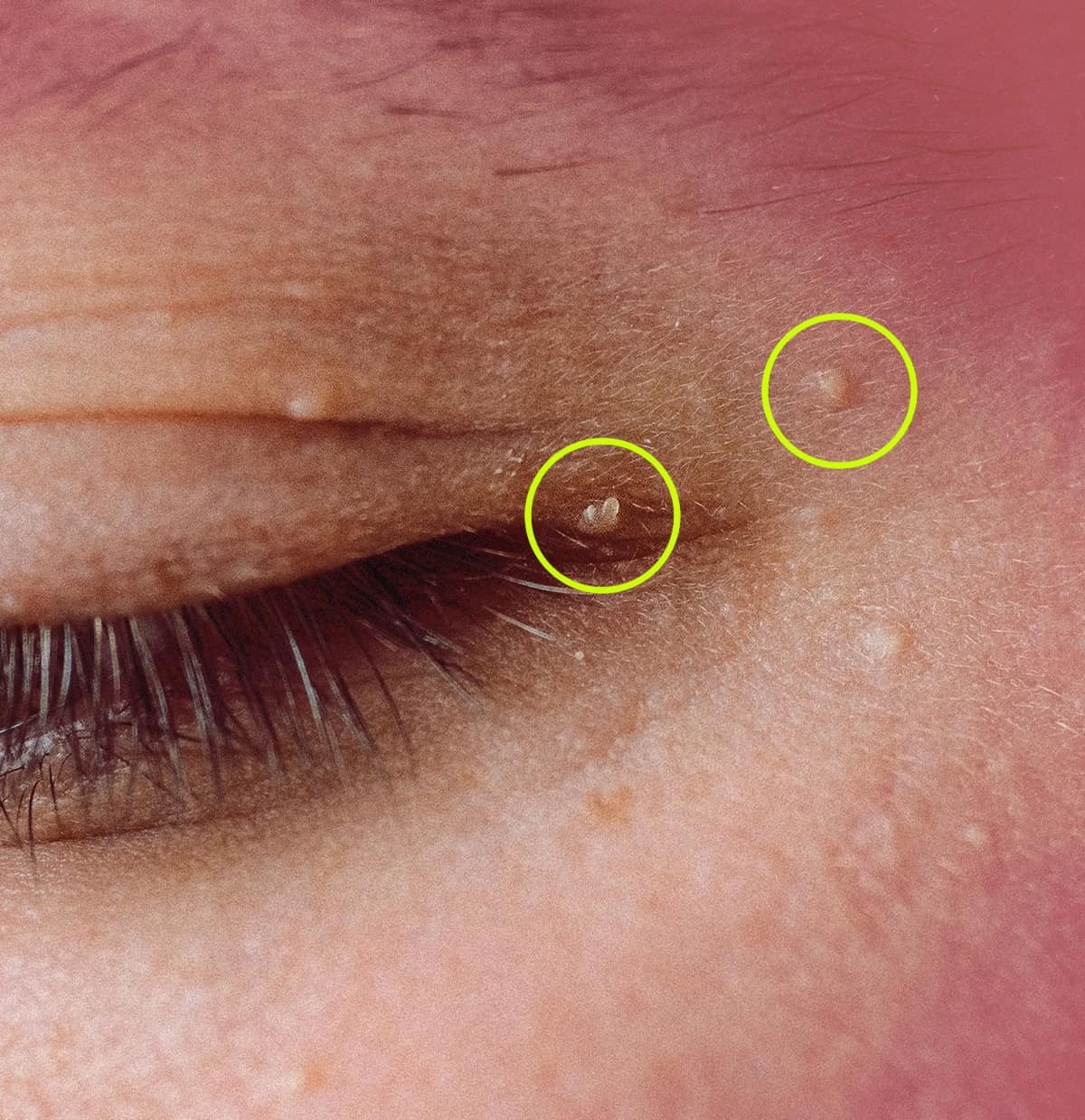
How to Get Rid of Milia: Those Annoying Fat Cysts
Milia may look harmless, but those tiny, pearl-like bumps on your skin can be surprisingly stubborn. Often found around the eyes, cheeks, or nose, milia are small cysts formed when keratin — a protein in your skin — becomes trapped beneath the surface. While they’re not dangerous, they can be frustrating to deal with, especially if you’re aiming for smooth, glowing skin.
What Causes Milia?
Milia form when dead skin cells and keratin get trapped under the skin instead of naturally shedding. Several factors can contribute:
Skin damage or trauma: Burns, rashes, or heavy chemical peels can trigger milia.
Sun damage: Overexposure to UV rays can thicken the skin, increasing the likelihood of cyst formation.
Skin care products: Thick or heavy creams may block pores, especially around delicate areas like the eyes.
Genetics: Some people are more prone to milia than others.
How to Get Rid of Milia
While milia often resolve on their own, there are safe ways to accelerate the process:
Gentle Exfoliation
Regular exfoliation helps remove dead skin cells, preventing keratin buildup. Use mild chemical exfoliants like glycolic acid or salicylic acid rather than harsh scrubs, which can irritate delicate skin.
Topical Retinoids
Retinoid creams or serums can promote cell turnover, helping the skin shed trapped keratin naturally. They also improve overall skin texture and tone.
Professional Extraction
Dermatologists can safely remove milia using a sterile needle or a small incision. Avoid trying to squeeze or pick at them at home, as this can lead to scarring or infection.
Avoid Heavy Creams and Oils
Especially around the eye area, use lightweight moisturizers and non-comedogenic products that won’t clog pores.
ADVERTISEMENT
