
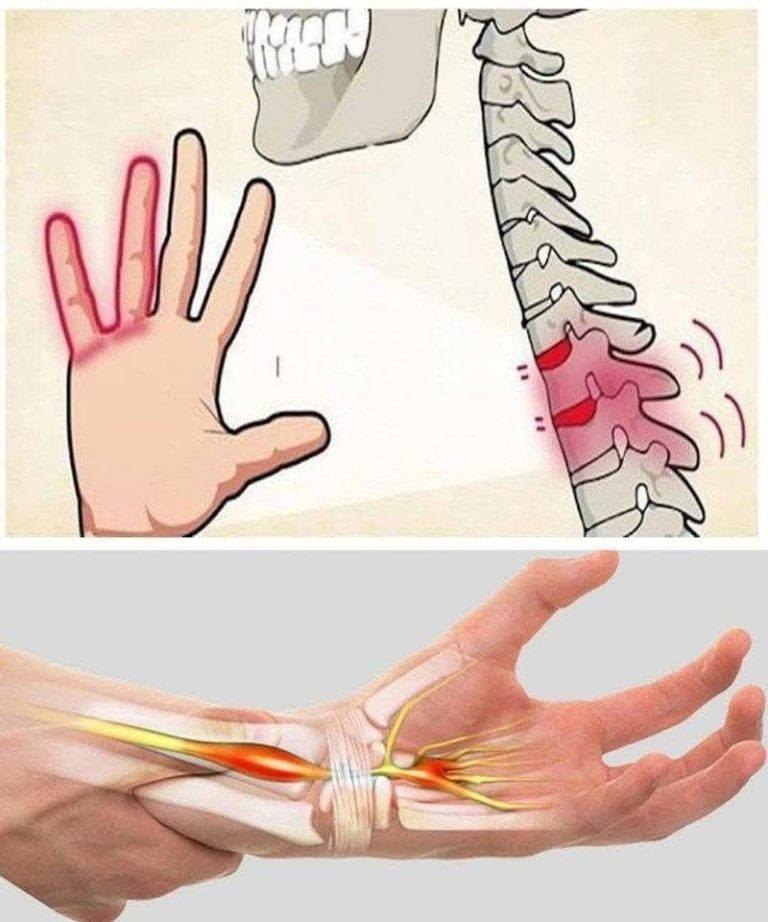
Numb Hands: Is This Normal or a Sign of a Problem?
Have you ever woken up with numb hands, or felt your fingers go tingly or “asleep” during the day? Most of the time, this isn’t dangerous—but sometimes, it can indicate an underlying health issue that shouldn’t be ignored.
Common Causes of Numb Hands
Temporary Pressure on Nerves
Sleeping on your arm the wrong way or leaning on your wrist can compress nerves.
This usually causes numbness or tingling that goes away after a few minutes.
Poor Circulation
Cold temperatures or certain sitting positions can reduce blood flow, leading to temporary numbness.
Repetitive Strain
Activities like typing, texting, or gaming for long periods can irritate nerves in your wrist or hand.
This can sometimes cause symptoms of carpal tunnel syndrome, including tingling, numbness, and hand weakness.
When Numbness Might Be a Warning Sign
Sometimes numb hands aren’t just a temporary inconvenience—they can point to more serious health issues:
Nerve compression or injury: Herniated discs in the neck or pinched nerves can cause persistent numbness.
Diabetes: High blood sugar over time can damage nerves, leading to tingling or numbness in the hands or feet.
Vitamin deficiencies: Lack of vitamin B12 can affect nerve function.
Circulatory problems: Poor blood flow or blood clots can sometimes cause hand numbness.
Heart or stroke-related issues: Sudden numbness in one hand, especially if accompanied by weakness, facial drooping, or speech difficulties, requires immediate medical attention.
How to Prevent or Reduce Hand Numbness
Change Positions Frequently – Avoid putting pressure on your arms or wrists for long periods.
Take Breaks from Repetitive Activities – Stretch your hands and wrists during typing or gaming.
Keep Hands Warm – Cold can worsen numbness.
Exercise and Improve Circulation – Light activity can help maintain healthy nerve and blood flow.
Check Nutrition – Make sure you’re getting enough vitamin B12 and other essential nutrients.
When to See a Doctor
ADVERTISEMENT
