
Continued on next page…
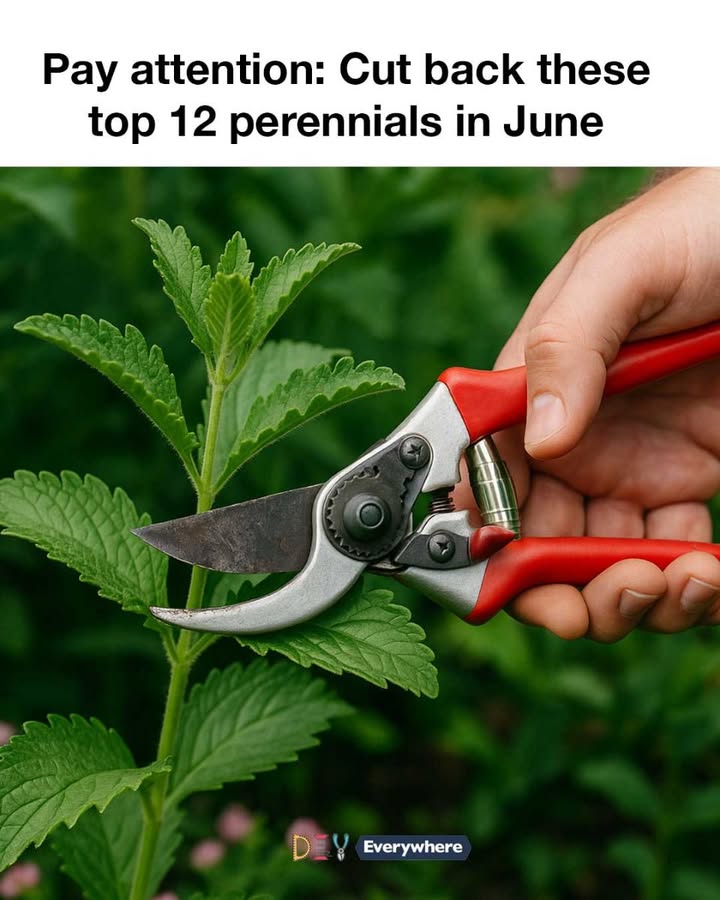
Cutting back perennials offers numerous benefits, including improved plant health and aesthetics. By removing spent blooms and dead foliage, gardeners can reduce the risk of disease and pest infestations. This practice also encourages air circulation around the plant, which can prevent issues like powdery mildew.
Another significant benefit is the promotion of new growth. When perennials are pruned, they often respond by producing fresh, vigorous shoots. This not only enhances the plant’s appearance but can also lead to a second round of flowering. Additionally, cutting back perennials can help manage their size and shape, keeping the garden neat and organized.
3. Understanding Perennial Growth Cycles
Perennials have distinct growth cycles that influence when and how they should be pruned. Most perennials experience a period of rapid growth in the spring, followed by blooming. After this initial bloom, many perennials enter a phase of slower growth, making it an ideal time for pruning.
Understanding these cycles is crucial for effective pruning. By cutting back perennials after their first bloom, gardeners can encourage a second flowering period. This not only extends the blooming season but also helps maintain the plant’s vigor and health. Additionally, understanding the growth habits of specific perennials can help gardeners tailor their pruning techniques to each plant’s needs.
4. Coreopsis: Encourage a Longer Bloom
Coreopsis, known for its bright, daisy-like flowers, benefits greatly from a June pruning. By cutting back spent blooms and about one-third of the plant’s height, gardeners can encourage a longer blooming period. This practice stimulates the plant to produce new flower buds, resulting in a more extended display of color.
In addition to promoting more blooms, cutting back Coreopsis helps maintain a tidy appearance. This is particularly important for taller varieties, which can become leggy and unruly if left unpruned. Regular pruning also helps prevent the plant from self-seeding excessively, which can lead to overcrowding in the garden.
ADVERTISEMENT
