
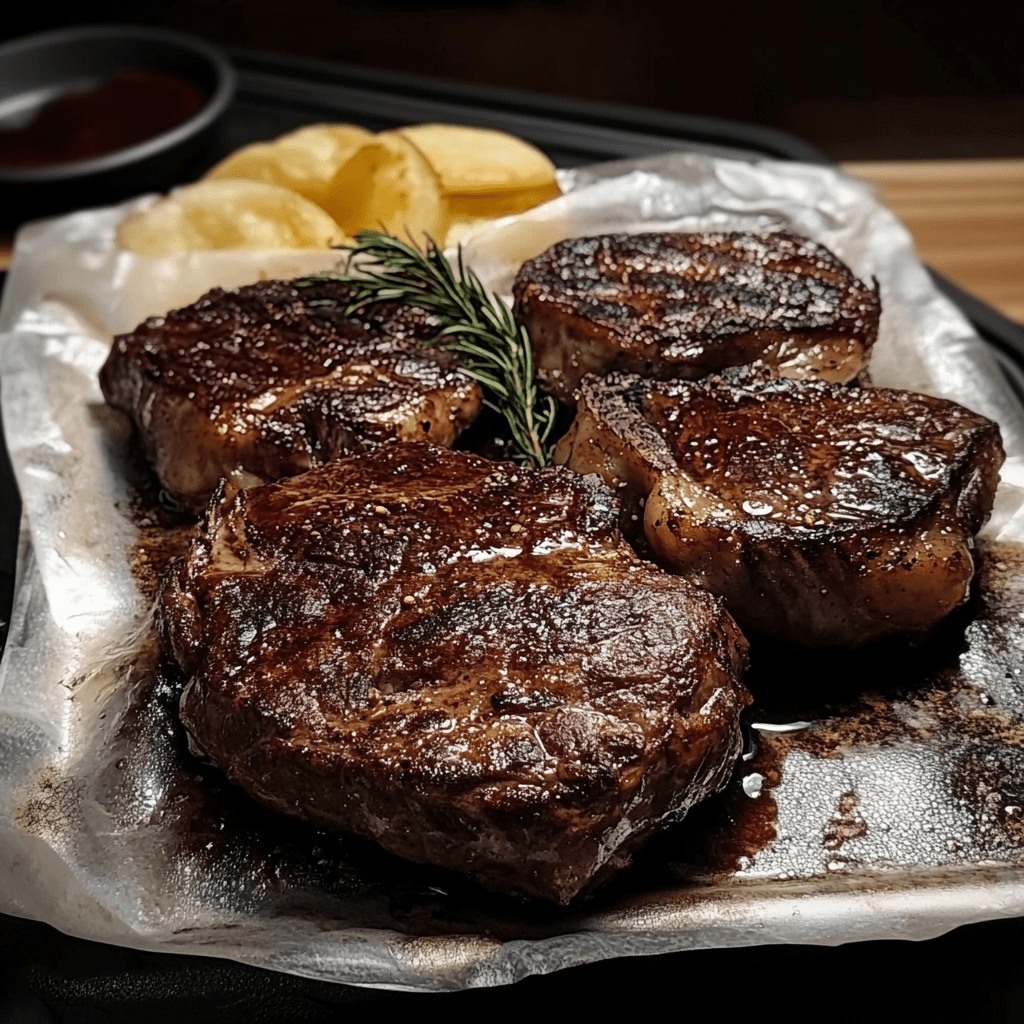
The Perfectly Seared Ribeye Steak: A Culinary Journey
Few dishes command as much respect in the culinary world as a perfectly seared ribeye steak. With its marbled fat, rich flavor, and juicy texture, the ribeye has earned its reputation as a steakhouse classic. Yet, achieving the ideal sear, tenderness, and flavor at home is both an art and a science. In this post, we’ll explore everything you need to know to master the perfectly seared ribeye steak, from selecting the right cut to serving it like a professional chef.
Understanding the Ribeye
Before diving into cooking techniques, it’s essential to understand what makes the ribeye unique. Cut from the rib section of the cow, the ribeye is prized for its marbling—the thin streaks of fat running through the meat. This marbling melts during cooking, infusing the steak with flavor and keeping it tender.
Ribeye vs. Other Steaks
Compared to other popular cuts like the filet mignon or strip steak, the ribeye stands out for its rich flavor. While a filet mignon is incredibly tender, it lacks the beefy intensity that a ribeye offers. A New York strip is firmer and leaner, but without the marbling that makes ribeye so succulent.
Choosing ribeye means committing to a steak that delivers both taste and texture—a balance of buttery softness and robust flavor.
Selecting the Perfect Ribeye
The journey to a perfect steak begins at the butcher counter. Not all ribeyes are created equal. Here are some tips to ensure you pick the ideal cut:
Look for Marbling: Fine, evenly distributed fat streaks indicate juiciness and flavor. Avoid steaks with large, uneven chunks of fat.
Thickness Matters: A thicker steak (around 1.5 to 2 inches) allows for a perfect sear without overcooking the center. Thin cuts tend to cook too quickly, making precise timing challenging.
Bone-In or Boneless: Bone-in ribeyes, sometimes called cowboy steaks, add flavor and can help retain moisture. Boneless ribeyes cook faster and are easier to handle.
Color and Freshness: The meat should be a vibrant red, not dull or brown. Freshness impacts both flavor and texture.
Grade of Beef: In the U.S., USDA Prime is ideal for ribeye. If unavailable, USDA Choice is the next best option. The higher the grade, the more marbling and flavor.
Preparing the Steak
Proper preparation is crucial for achieving a perfect sear.
1. Bringing the Steak to Room Temperature
Cold meat cooks unevenly. Remove the ribeye from the fridge at least 30 to 60 minutes before cooking. This ensures a more even cook and prevents the outside from overcooking while the center warms.
2. Seasoning
Simplicity is key. A ribeye’s natural flavor shines best with minimal seasoning:
Salt: Use coarse kosher salt or sea salt. Salt draws out moisture initially, but then reabsorbs, creating a juicy crust.
Pepper: Freshly ground black pepper adds subtle heat and complexity.
Optional Enhancements: Garlic powder, smoked paprika, or fresh herbs like rosemary can add nuance without overpowering the beef.
Tip: Salt liberally just before cooking. Avoid salting too early if your kitchen is very dry, as it can pull out moisture prematurely.
The Science of the Perfect Sear
The sear is where flavor happens. A Maillard reaction, a chemical reaction between amino acids and sugars, creates a brown, caramelized crust with rich flavor. Achieving this requires high heat and proper technique.
Choosing Your Cooking Method
You can sear a ribeye using a cast-iron skillet, grill, or broiler. Cast iron is preferred for its even heat retention.
Step-by-Step Searing Technique
Preheat the Pan: Get your skillet smoking hot. High heat is essential for a proper crust.
Add Fat: A high smoke-point oil like grapeseed or avocado works best. Butter can be added later for flavor.
Sear the Meat: Place the steak in the pan without moving it for 2–3 minutes per side. Let the Maillard reaction do its magic.
Check for a Golden Crust: Look for a deep brown, slightly crispy surface. Avoid black char—it indicates burning.
Baste with Butter (Optional): Towards the end, add butter, garlic, and herbs to the pan. Tilt the skillet and spoon the melted butter over the steak for extra flavor.
Achieving the Perfect Doneness
Cooking a ribeye is about personal preference. Here’s a simple guide using internal temperatures:
Rare: 120–125°F (cool red center)
Medium Rare: 130–135°F (warm red center)
Medium: 140–145°F (pink center)
Medium Well: 150–155°F (slightly pink center)
Well Done: 160°F+ (brown center, less juicy)
Tip: Use a digital thermometer for accuracy. Overcooked ribeye loses juiciness quickly. For thick cuts, consider reverse searing: cook at low heat first, then sear at the end.
Resting the Steak
Resting is critical. Cutting into the steak immediately releases the juices, leaving it dry. Let your ribeye rest for 5–10 minutes under a loose foil tent. This allows the juices to redistribute, ensuring each bite is tender and flavorful.
Serving Suggestions
A ribeye is a centerpiece. Pairing it with complementary sides enhances the dining experience.
Classic Pairings
Mashed Potatoes: Creamy and buttery, a perfect contrast to the savory steak.
Roasted Vegetables: Carrots, asparagus, or Brussels sprouts provide texture and sweetness.
Salads: A fresh, crisp salad balances the richness of the ribeye.
Sauces (Optional)
Compound Butter: Garlic, herbs, and lemon zest add depth.
Red Wine Reduction: A luxurious sauce with bold flavor.
Chimichurri: Bright and herbaceous, perfect for cutting through the fat.
Wine and Beverage Pairings
Ribeye calls for beverages that match its richness:
Red Wine: Cabernet Sauvignon, Syrah, or Malbec complement the beef’s marbling.
Beer: A dark stout or amber ale works surprisingly well.
Non-Alcoholic: Sparkling water or a tart cherry juice can refresh the palate.
Advanced Techniques for Enthusiasts
For those seeking culinary perfection, consider:
Reverse Searing: Slow-cook in the oven, then sear in a hot pan for a perfect crust and even center.
Sous Vide: Cook the ribeye at precise temperatures for edge-to-edge doneness, then sear.
Smoking: Introduces a subtle smoky flavor without losing the crust.
Experimenting with these methods allows chefs to customize flavor and texture to exacting standards.
Common Mistakes to Avoid
Even seasoned cooks make mistakes with ribeye:
Skipping Rest: Cuts into the steak too early, losing juice.
Overcrowding the Pan: Reduces heat, preventing proper sear.
Underseasoning: A perfectly cooked steak can still taste bland without salt and pepper.
Cooking Straight from Fridge: Leads to uneven doneness.
High Heat Alone: Must be balanced with timing to prevent burning.
Chef Tips for the Perfect Ribeye
Professional chefs often share secrets for restaurant-quality results:
Pat the steak dry before searing to encourage crust formation.
Use a heavy cast-iron skillet for even heat.
Finish thick cuts in the oven after searing.
Let compound butter melt on top for added flavor and shine.
Slice against the grain to maximize tenderness.
The Joy of Cooking Ribeye at Home
ADVERTISEMENT
