
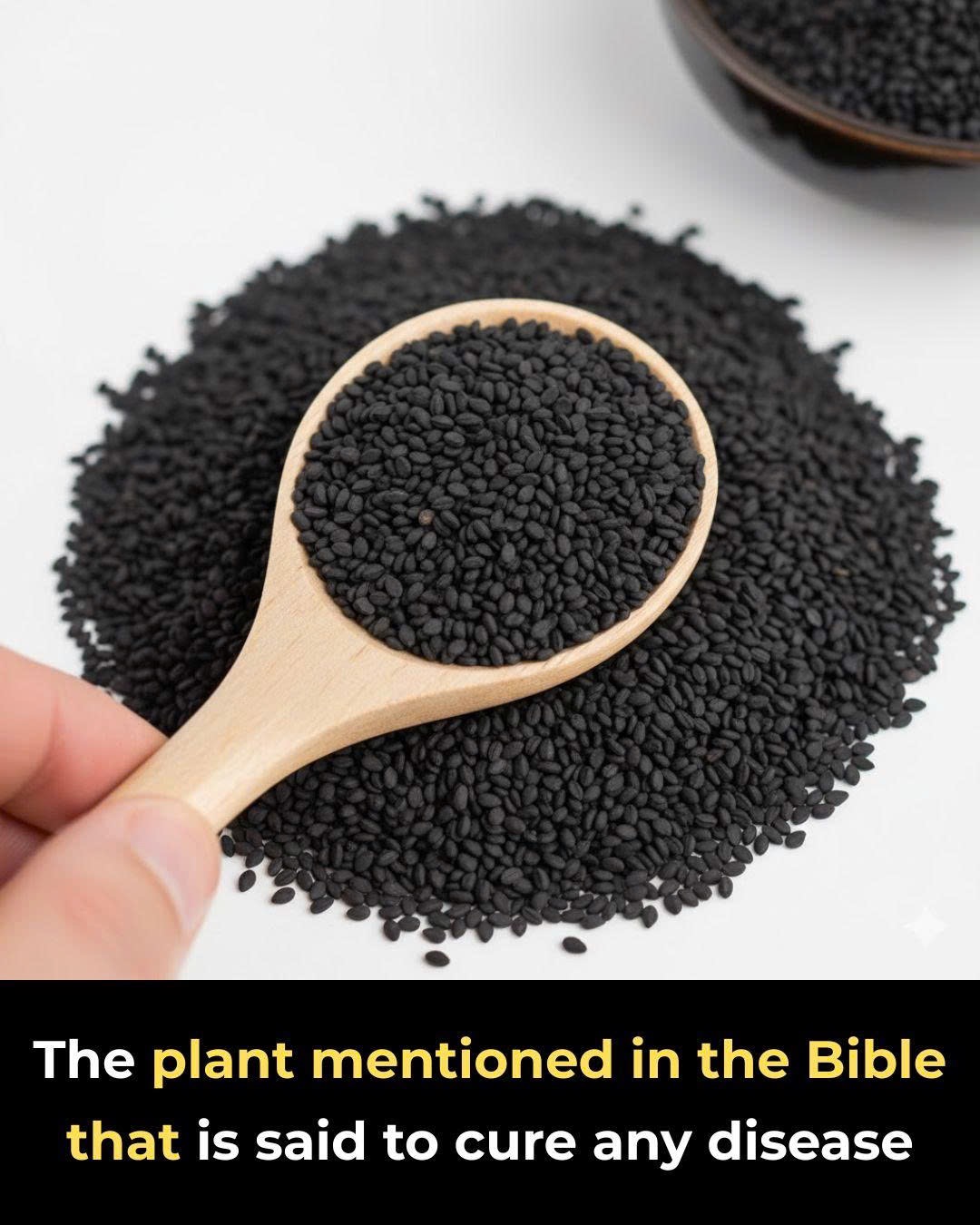
The Plant in the Bible Said to Heal All Ailments — Meaning, Symbolism, and Tradition
Throughout the Bible, plants are often mentioned not only as food, but as symbols of healing, renewal, and divine provision. One verse in particular has captured attention for centuries, leading many to refer to a “plant said to heal all ailments.” But what does this actually mean?
The answer lies in scripture, symbolism, and traditional understanding, rather than modern medical claims.
The Biblical Reference Behind the Claim
The phrase most often linked to this idea comes from Revelation 22:2, which describes:
“…the leaves of the tree were for the healing of the nations.”
This passage refers to the Tree of Life, a powerful biblical symbol representing restoration, eternal life, and spiritual healing.
Importantly, the Bible does not identify a specific botanical plant nor claim a literal cure for every disease. Instead, the language reflects spiritual wholeness, peace, and divine renewal.
Plants Commonly Associated With Biblical Healing
While no single plant is stated to heal all ailments, several plants mentioned in the Bible were traditionally used for wellness and nourishment:
Hyssop
Symbol of purification and cleansing
Used in ancient rituals
Still valued today in traditional cooking and herbal practices
Frankincense and Myrrh
Used for anointing and offerings
Known historically for soothing and preservative qualities
Olive Tree
Olive oil used for food, anointing, and care
Symbol of peace, endurance, and blessing
These plants reflect how ancient people understood healing as a balance of body, mind, and spirit.
Healing in the Biblical Sense
In Scripture, healing often goes beyond physical health. It includes:
Emotional restoration
Spiritual peace
Community renewal
Hope and faith
When the Bible speaks of healing “all nations,” it emphasizes unity, restoration, and divine care, not a single herbal remedy.
ADVERTISEMENT
