
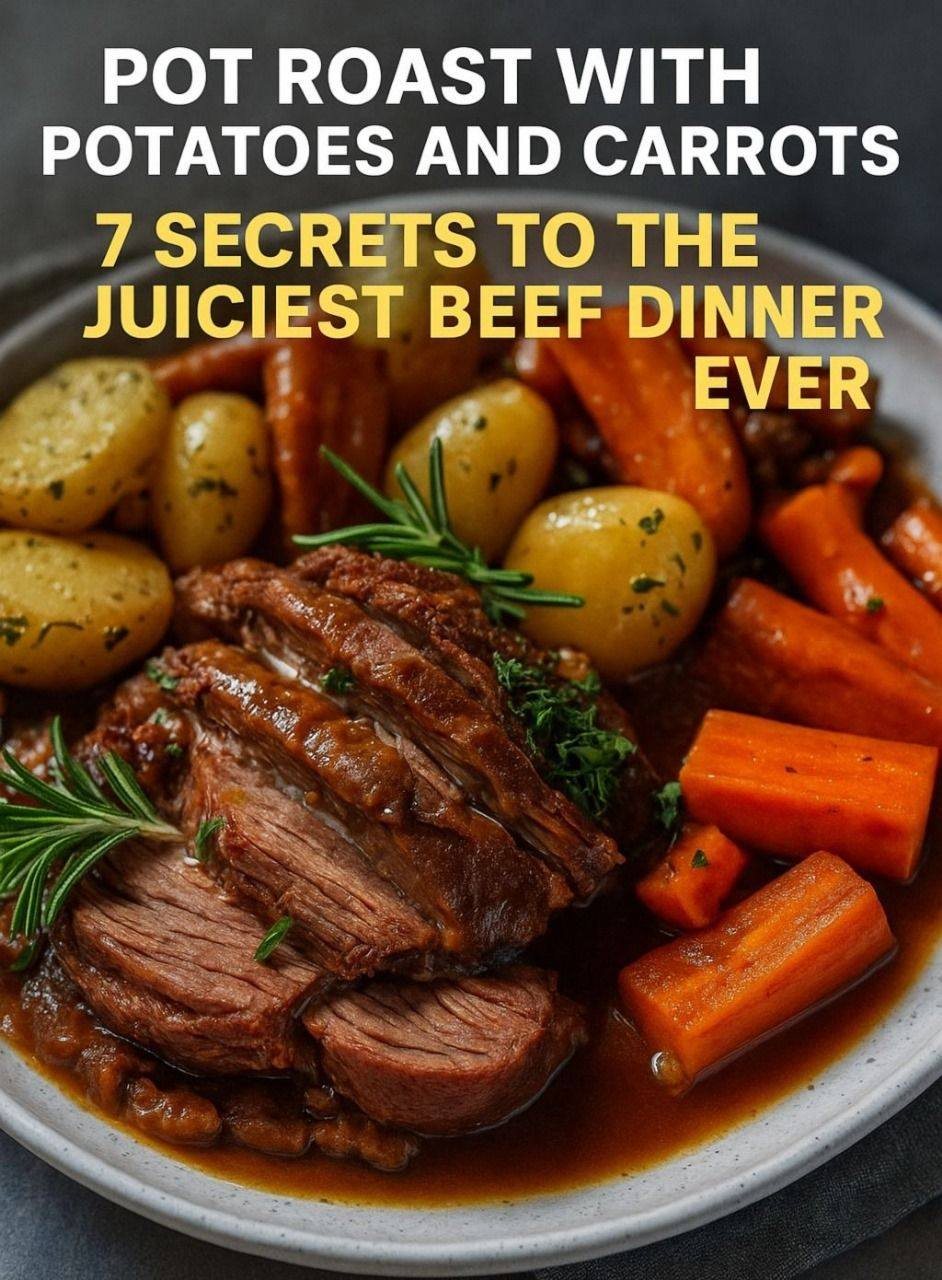
The Ultimate Guide to Perfect Pot Roast with Potatoes and Carrots
Few dishes evoke the warmth, comfort, and nostalgia of home-cooked meals quite like a pot roast with potatoes and carrots. This classic dish has been a cornerstone of family dinners for generations, offering tender, flavorful meat paired with hearty vegetables that soak up every drop of the savory gravy. Whether you’re a seasoned cook or a beginner looking to master a slow-cooked masterpiece, this guide will take you step by step through the journey of creating the perfect pot roast.
A Brief History of Pot Roast
Pot roast may seem like a simple, humble dish, but it carries a rich culinary history. The concept of braising tougher cuts of meat to tender perfection dates back centuries. Early European cooks often simmered meat in pots with root vegetables, not only to tenderize it but also to make the most of limited ingredients.
In America, pot roast became a popular dish during the early 20th century, when beef roasts were inexpensive and widely available. Families discovered that slow-cooking tougher cuts like chuck or brisket yielded a tender, flavorful meal that fed large households. Adding potatoes and carrots—root vegetables that were inexpensive, filling, and widely available—made the dish complete.
Today, pot roast is a symbol of comfort food, often associated with Sunday family dinners, holiday gatherings, and cozy winter nights.
Choosing the Right Cut of Meat
The foundation of any great pot roast is the meat. Not all cuts are created equal. The key is choosing a cut with enough connective tissue and marbling, which breaks down during slow cooking to produce rich, tender results.
Best Cuts for Pot Roast
Chuck Roast: The most popular choice. It comes from the shoulder area and is well-marbled, which ensures flavor and tenderness after long cooking.
Brisket: Leaner than chuck but develops a deep, beefy flavor when braised slowly.
Bottom Round Roast: Lean and economical, though it requires careful cooking to avoid dryness.
Rump Roast: A flavorful alternative that benefits from long, slow cooking.
Tip: Look for meat with some marbling. Even thin streaks of fat make a huge difference in flavor and juiciness.
Essential Ingredients for Classic Pot Roast
While pot roast is versatile, a few ingredients are essential for traditional flavor:
Beef Roast (3–4 pounds): Chuck or brisket works best.
Potatoes (Yukon Gold or Red): Cut into large chunks so they hold shape.
Carrots: Peeled and cut into thick slices or chunks.
Onions: Adds sweetness and depth of flavor.
Garlic: Enhances the savory profile.
Beef Broth or Stock: Forms the base of the braising liquid.
Herbs: Rosemary, thyme, bay leaves for aromatic flavor.
Seasoning: Salt, black pepper, and optional paprika or Worcestershire sauce.
Optional ingredients include celery, parsnips, or turnips, which can enhance flavor and add variety to the dish.
Preparing Your Pot Roast
Step 1: Seasoning
Season the meat generously with salt and pepper. For deeper flavor, rub in minced garlic and a touch of paprika. Let the meat rest at room temperature for 30–60 minutes before cooking.
Step 2: Browning the Meat
Browning is a crucial step that develops flavor through the Maillard reaction. Heat a heavy-bottomed pot or Dutch oven over medium-high heat, add a little oil, and sear all sides of the roast until browned. Remove the meat and set aside.
Step 3: Sautéing Aromatics
In the same pot, sauté onions, garlic, and celery until softened and fragrant. This step infuses the braising liquid with a rich base of flavor.
Cooking the Perfect Pot Roast
Pot roast requires low and slow cooking. This method breaks down tough connective tissue, tenderizing the meat while infusing it with flavor.
Stove Top or Oven Braising
Return the browned meat to the pot.
Add broth, wine, or a combination of both—enough to cover half the roast.
Add herbs and aromatics.
Cover with a tight-fitting lid.
Simmer on low heat or bake at 325°F (163°C) for 3–4 hours, depending on the size of the roast.
Slow Cooker Method
Place the seared roast in a slow cooker.
Add vegetables, broth, and herbs.
Cook on low for 6–8 hours or high for 4–5 hours until the meat is tender.
Tip: Avoid lifting the lid frequently, as this releases steam and increases cooking time.
Adding Potatoes and Carrots
Potatoes and carrots are essential companions for pot roast. Add them about halfway through cooking if you want them tender but not mushy. The vegetables absorb the flavors of the meat and braising liquid, creating a harmonious dish.
Potatoes: Yukon Gold or red potatoes maintain their shape and develop a buttery texture.
Carrots: Thick chunks prevent overcooking and allow them to retain natural sweetness.
For extra flavor, toss the vegetables in a bit of oil and roast them alongside the meat in the oven for caramelization before adding them to the braising liquid.
Making the Perfect Gravy
Pot roast is incomplete without rich, savory gravy. Use the braising liquid as a base:
Remove the roast and vegetables from the pot.
Skim excess fat from the liquid.
Bring the liquid to a simmer and reduce slightly for concentrated flavor.
Optionally, whisk in a cornstarch slurry or flour roux to thicken.
Adjust seasoning with salt, pepper, and a touch of Worcestershire sauce or balsamic vinegar for depth.
Pour the gravy over the sliced roast and vegetables before serving.
Tips for Tender, Flavorful Pot Roast
Low and Slow: Patience is key. A long, slow cook transforms tough meat into tender perfection.
Sear First: Browning adds layers of flavor.
Rest After Cooking: Let the roast rest for 10–15 minutes before slicing to retain juices.
Don’t Overcrowd the Pot: Allow liquid to circulate and cook evenly.
Use Aromatics: Fresh herbs and garlic enhance flavor more than dried seasonings alone.
Variations to Try
While the classic pot roast with potatoes and carrots is timeless, there are several delicious variations:
Red Wine Pot Roast: Add a cup of red wine to the braising liquid for depth and complexity.
Herb-Crusted Pot Roast: Coat the meat with a mixture of fresh herbs before searing.
Garlic and Mustard Pot Roast: Rub with Dijon mustard and minced garlic for a tangy twist.
Slow Cooker with Root Vegetables: Add parsnips, turnips, or rutabaga for variety.
Each variation brings a unique flavor profile while maintaining the essence of a comforting pot roast.
Serving Suggestions
Pot roast is traditionally served as a hearty, standalone meal, but consider pairing it with complementary sides:
Buttery Mashed Potatoes: Perfect for soaking up gravy.
Crusty Bread: Ideal for mopping up the braising liquid.
Steamed Green Beans or Asparagus: Adds freshness and color.
Pickled Vegetables or Sauerkraut: A tangy contrast to the richness of the meat.
For family-style meals, serve the roast whole in the center of the table and let everyone carve their portions.
Pot Roast for Special Occasions
Pot roast isn’t just everyday comfort food—it can also be the star of holiday dinners and special gatherings. The beauty of pot roast lies in its ease of preparation and ability to feed a crowd.
Holiday Pot Roast: Add red wine, mushrooms, and pearl onions for a festive touch.
Sunday Family Dinner: Slow-cook the roast in the morning and serve it after church or midday gatherings.
Celebratory Pot Roast: Pair with roasted root vegetables and a fine red wine for a cozy, elegant meal.
The Cultural Significance of Pot Roast
Pot roast represents more than just a recipe—it’s a symbol of home, family, and tradition. Many people associate the dish with their childhood, Sunday dinners, and family gatherings. Across cultures, slow-cooked braised meats symbolize care, patience, and love. In many households, making pot roast is a ritual, with recipes passed down through generations.
Troubleshooting Common Issues
ADVERTISEMENT
