
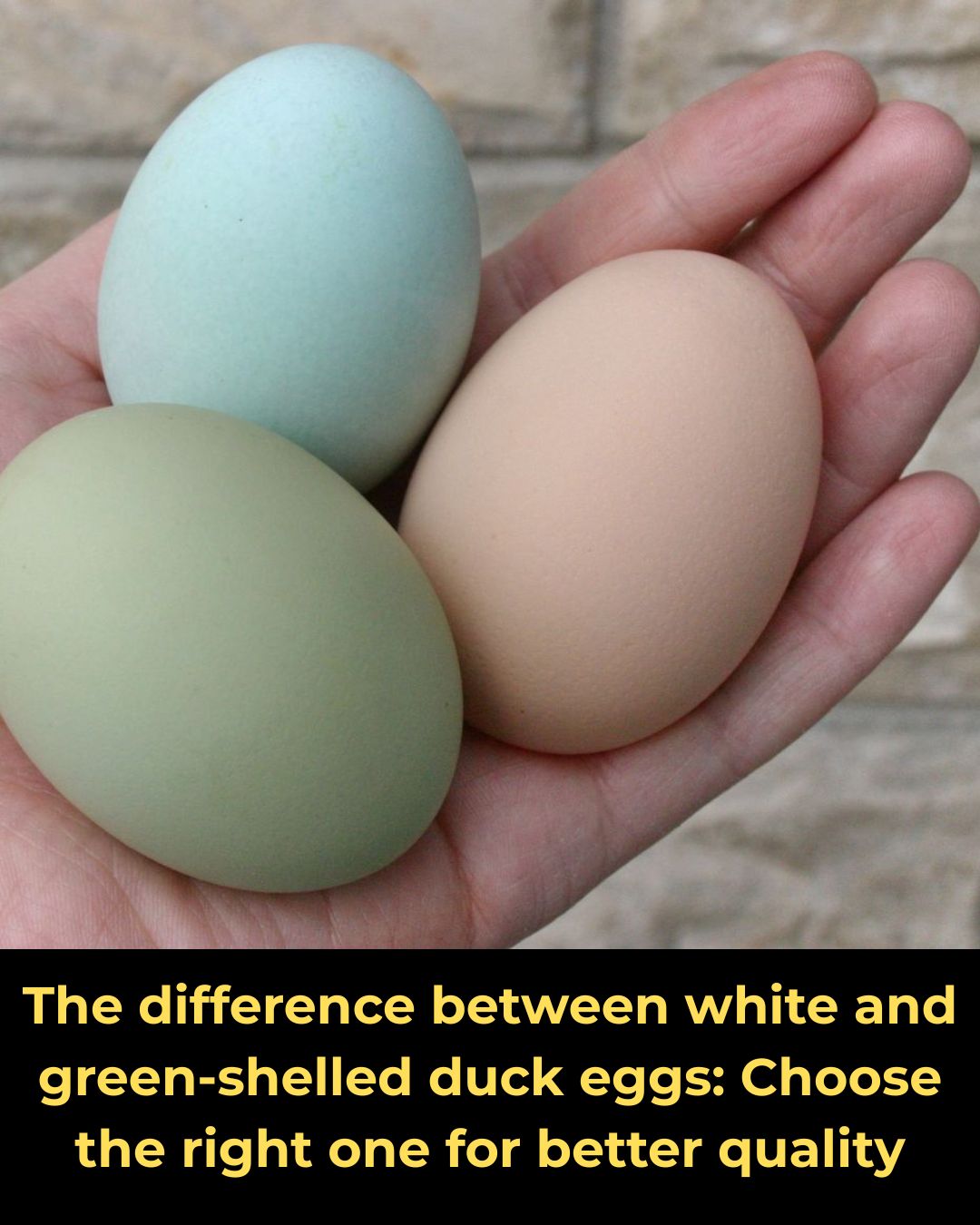
Duck eggs have been valued for centuries across many cultures for their rich flavor, firm whites, and versatility in cooking. From street markets in Asia to artisanal bakeries and home kitchens, duck eggs are often praised as a step above chicken eggs when it comes to texture and taste. Yet when people first encounter duck eggs, one detail often causes confusion: the shell color.
Some duck eggs are white or off-white, while others have pale green, blue-green, or even olive-tinted shells. This naturally leads to questions. Are green-shelled duck eggs fresher? Are white ones healthier? Does shell color affect taste, nutrition, or quality?
The short answer is: shell color does not automatically mean better or worse, but it does provide clues about the duck, its environment, and sometimes how the egg is best used. Understanding these differences helps you choose the right duck eggs for your needs—whether that’s cooking, baking, or simply enjoying a higher-quality product.
This article explores the real differences between white and green-shelled duck eggs, separating facts from myths and helping you make informed choices.
Understanding Duck Egg Shell Color
Shell color in duck eggs, just like in chicken eggs, is primarily determined by genetics. Different duck breeds lay eggs with different shell pigments. These pigments are deposited on the shell during the final stages of egg formation.
The two most common shell colors you’ll see are:
White or cream-colored shells
Green, blue-green, or pale olive shells
Unlike some popular beliefs, shell color does not directly indicate freshness, nutrition, or safety. However, it can be linked to breed traits and farming practices, which indirectly affect quality.
White-Shelled Duck Eggs: Characteristics and Qualities
Common Duck Breeds That Lay White Eggs
White-shelled duck eggs are typically laid by breeds such as:
Pekin ducks
Aylesbury ducks
Muscovy ducks
These breeds are often raised in larger-scale farming systems, though they can also be found on small farms.
Appearance and Shell Texture
White duck eggs usually have:
A smooth, clean appearance
Thick, sturdy shells
A slightly glossy finish
Because the color is light, dirt and cracks are easier to spot, which can be an advantage when selecting eggs.
Flavor and Cooking Qualities
White-shelled duck eggs are known for:
A rich, savory flavor
Firm whites that hold their shape well
Large, deep-colored yolks
They are especially popular for:
Frying and boiling
Savory dishes
Pickling or preserving
The thick shell and membrane help protect the egg, often giving it a longer shelf life when handled properly.
Perceived Quality
Many people associate white eggs with cleanliness and uniformity. This perception comes partly from supermarket standards, where consistency is valued. However, this perception is cultural—not scientific.
Green-Shelled Duck Eggs: Characteristics and Qualities
Common Duck Breeds That Lay Green Eggs
Green-shelled duck eggs are often laid by:
Indian Runner ducks
Khaki Campbell ducks
Certain native or heritage duck breeds
These ducks are commonly raised in free-range or small-farm environments.
Appearance and Shell Texture
Green-shelled eggs can range in color from:
Pale mint green
Blue-green
Light olive
Their shells are usually:
Slightly matte rather than glossy
Just as thick and durable as white shells
The color comes from pigments deposited throughout the shell, not just on the surface.
Flavor and Cooking Qualities
Green-shelled duck eggs are often praised for:
A very rich yolk flavor
Excellent performance in baking
Strong structure that improves texture in pastries
Bakers especially appreciate these eggs because:
The whites whip well
The yolks add richness without excess moisture
Perceived Quality
In many cultures, green or blue-green eggs are associated with:
Traditional farming
Natural or free-range conditions
“Premium” or artisanal quality
While this doesn’t guarantee superiority, it often reflects smaller-scale production methods.
Nutrition: Is There a Difference?
One of the most common questions is whether green-shelled duck eggs are more nutritious than white-shelled ones.
The Truth About Nutrition
Shell color alone does not determine nutritional value.
Both white and green-shelled duck eggs generally contain:
High-quality protein
Healthy fats
Vitamins such as A, D, E, and B-complex
Minerals like iron, selenium, and phosphorus
What Actually Affects Nutrition
Nutrition is more influenced by:
The duck’s diet
Access to natural foraging
Living conditions
Overall health of the bird
Ducks that forage outdoors may produce eggs with slightly higher levels of certain nutrients, but this can happen with both white- and green-shelled eggs.
Freshness: Can Shell Color Tell You Anything?
Freshness is another area where myths are common.
Shell Color vs. Freshness
Shell color does not indicate freshness. A white egg and a green egg laid on the same day are equally fresh.
Better Ways to Judge Freshness
Instead of relying on color, look for:
A clean, uncracked shell
A firm egg that feels heavy for its size
A thick white and centered yolk after cracking
Proper storage matters far more than shell color.
Cultural Beliefs and Traditional Preferences
In many regions, shell color has cultural meaning.
In Some Asian Traditions
Green-shelled duck eggs are often believed to be:
More “natural”
Better for certain traditional dishes
Associated with heritage breeds
This belief is tied to farming style rather than biology.
In Western Markets
White-shelled eggs are often preferred because:
They look uniform
They match expectations shaped by chicken eggs
They appear “cleaner” to some consumers
Neither preference is wrong—it simply reflects tradition and familiarity.
Cooking Uses: Choosing the Right Egg for the Job
While shell color doesn’t change the inside dramatically, usage preferences can differ.
When White-Shelled Duck Eggs Shine
White duck eggs are excellent for:
Boiling (the shells peel more predictably)
Frying (strong whites hold shape well)
Savory dishes like noodles or rice
Their consistency makes them reliable for everyday cooking.
When Green-Shelled Duck Eggs Stand Out
Green-shelled duck eggs are often favored for:
Baking cakes and pastries
Custards and rich desserts
Traditional recipes that rely on yolk richness
Their slightly different protein structure can enhance texture in baked goods.
Are Green-Shelled Eggs “More Natural”?
This is a common assumption, but the answer is nuanced.
Green-shelled eggs are often associated with:
Free-range ducks
Smaller farms
Traditional breeds
However, shell color itself is not proof of farming quality. A green-shelled egg can come from poor conditions, and a white-shelled egg can come from excellent ones.
Always look beyond shell color when choosing quality eggs.
What Really Defines a High-Quality Duck Egg?
If your goal is better quality, focus on these factors:
Source – Trustworthy farms or local producers
Freshness – Recently laid eggs matter most
Shell Integrity – Thick, crack-free shells
Duck Diet – Access to grains, greens, and insects
Handling and Storage – Clean and properly stored eggs
Shell color is interesting—but secondary.
How to Choose the Right Duck Eggs for You
Ask Yourself:
Are you cooking or baking?
Do you prefer richer yolks or firmer whites?
Do you value traditional breeds or convenience?
Practical Advice:
Choose white-shelled eggs for everyday cooking and boiling
Choose green-shelled eggs for baking and specialty dishes
Choose fresh eggs from good sources above all else
Common Myths About Duck Egg Shell Color
ADVERTISEMENT
