
Pros:
Consistent size
More affordable
Year-round availability
Cons:
Flavor may be milder
Quality varies widely depending on farming practices
Cooking Tips for Both Types of Shrimp
Wild shrimp can handle bold flavors like garlic, chili, and citrus.
Farmed shrimp shine in creamy or seasoned dishes (curry, garlic butter, tempura).
Regardless of origin:
Do not overcook—they turn rubbery quickly.
Pat dry before sautéing for a perfect sear.
Brine in salt + baking soda for extra snap.
Final Thoughts
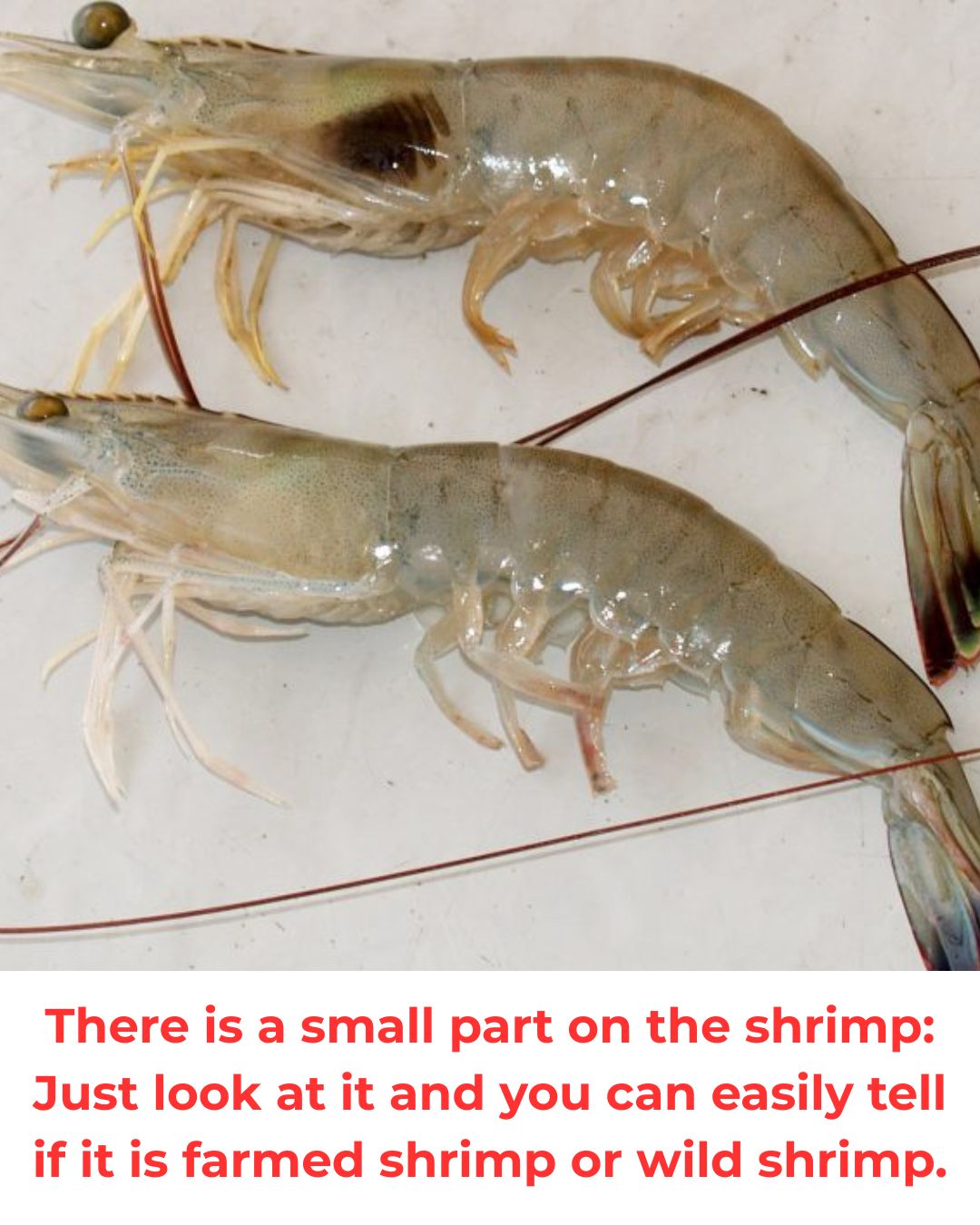
Although not foolproof, examining the legs, shell color, and overall texture of a shrimp can help you make a well-informed guess about whether it’s wild or farmed. This small detail—often ignored by casual shoppers—offers valuable insights into the shrimp’s environment, diet, and quality.
Ultimately, the best choice comes down to flavor preference, sustainability, and freshness. But with these tips, you’ll shop like a seafood expert and confidently select the best shrimp for your kitchen.
ADVERTISEMENT
