
Why Pork Shoulder?
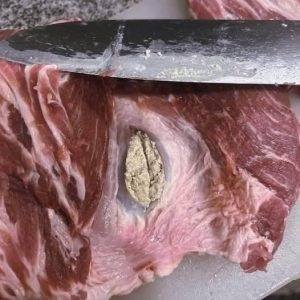
If you cook often, you know that not all cuts of meat are created equal. Pork shoulder—sometimes labeled as pork butt or Boston butt—is one of the most forgiving and versatile cuts available.
It’s well-marbled, meaning it has a good balance of fat and lean meat. That balance is exactly what makes it ideal for grinding. Too lean, and ground meat becomes dry and crumbly. Too fatty, and it turns greasy. Pork shoulder hits the sweet spot.
Beyond that, pork shoulder is:
Affordable
Widely available
Flavorful
Adaptable to many cuisines
Standing there in Walmart, comparing prices and cuts, it was clear this was the best choice for grinding at home.
The Appeal of Grinding Your Own Meat
Buying pre-ground meat is convenient, no doubt about it. But grinding your own offers advantages that go far beyond convenience.
Control Over Ingredients
When you grind your own pork, you know exactly what’s going into it. No fillers. No mystery trimmings. No additives. Just meat.
You can choose:
How much fat you want
Which parts of the cut to include
Whether to remove excess connective tissue
That level of control matters, especially when flavor and texture are important.
Superior Texture
Freshly ground meat has a noticeably better texture. It’s looser, juicier, and more responsive to seasoning. When cooked, it holds together beautifully without becoming dense or rubbery.
Better Flavor
Grinding meat fresh preserves its natural flavor. Pre-ground meat has more surface area exposed to air, which can dull taste over time. Freshly ground pork tastes cleaner, richer, and more “alive.”
Choosing the Right Pork Shoulder at Walmart
Not all pork shoulders are identical, even when they come from the same store.
When selecting mine, I looked for:
Even marbling throughout
A pinkish-red color (not gray or dull)
Firm texture
Minimal liquid in the packaging
I avoided cuts that looked overly trimmed or oddly shaped. For grinding, I wanted a good mix of meat and fat, not something already altered.
The size mattered too. Pork shoulders are usually sold in large pieces, which makes them ideal for batch cooking. Even if you only need some of it now, the rest can be portioned and frozen.
Getting It Home and Prepping the Meat
Once home, the real work—and the real fun—began.
Before grinding, pork shoulder needs a bit of preparation:
Remove excess skin or bone if present
Trim away any overly tough connective tissue
Cut the meat into manageable chunks
One key step many people overlook is chilling the meat. Cold meat grinds more cleanly. I placed the chunks in the freezer for a short time until they were firm but not frozen solid.
This small step makes a big difference in the final grind.
Equipment: Fancy or Simple?
You don’t need a professional setup to grind meat at home.
Some options include:
Stand mixer with a grinder attachment
Manual hand grinder
Dedicated electric meat grinder
Food processor (with care)
I used a grinder attachment, which worked efficiently and produced consistent results. The key is to keep everything cold—meat, grinder parts, even the bowl if possible.
Cold temperatures prevent the fat from smearing, which helps maintain a good texture.
The Grinding Process
Grinding pork shoulder is surprisingly satisfying.
As the meat passed through the grinder, it transformed from solid chunks into soft, fresh ground pork. The texture was visibly better than anything I’d bought pre-packaged.
I opted for a medium grind—fine enough for uniform cooking but coarse enough to retain character.
At this stage, the pork was ready for anything:
Sausages
Meatballs
Dumplings
Burgers
Noodle dishes
Stuffed vegetables
This is where grinding your own meat truly shines: versatility.
Planning the Recipe
My original plan was to use the ground pork for a specific recipe—but standing there with a bowl of freshly ground meat, possibilities multiplied.
Ground pork is used in cuisines all over the world:
Chinese dumplings
Italian meat sauces
Southeast Asian stir-fries
American-style burgers
Comforting meatloaf
That’s the beauty of starting with a simple ingredient. One pork shoulder can become many meals, each with its own flavor profile.
Portioning and Storage
Because pork shoulder yields a lot of ground meat, proper storage is essential.
I divided the ground pork into portions:
One portion for immediate use
Several portions for freezing
Flattening the portions before freezing helps them thaw quickly and evenly. Labeling them with the date ensures nothing gets lost in the freezer.
Grinding once and storing smartly saves time and money in the long run.
Cost Breakdown: Is It Worth It?
One of the biggest advantages of buying pork shoulder and grinding it yourself is cost.
Pre-ground pork often costs more per pound than whole cuts. Pork shoulder, especially at a large retailer like Walmart, is usually one of the most affordable options.
When you factor in:
Lower price per pound
Higher quality
Multiple meals from one purchase
Grinding your own meat becomes an easy financial win.
Flavor Customization Starts Here
Another benefit of home-ground pork is how well it absorbs seasoning.
Because the meat is fresh and unprocessed, spices and aromatics blend more evenly. Whether you’re using garlic, herbs, soy sauce, or chili paste, the flavors integrate beautifully.
This makes homemade ground pork ideal for recipes where seasoning matters.
A Slower, More Thoughtful Way to Cook
There’s something grounding about working with raw ingredients from the beginning.
Buying a pork shoulder, trimming it, grinding it—these steps slow you down. They make you more aware of the food you’re preparing and where it comes from.
In a world built on convenience, taking the time to do things manually can feel almost meditative.
Lessons from a Simple Grocery Trip
What started as a quick stop at Walmart turned into a reminder of why I love cooking.
It reminded me that:
ADVERTISEMENT
