
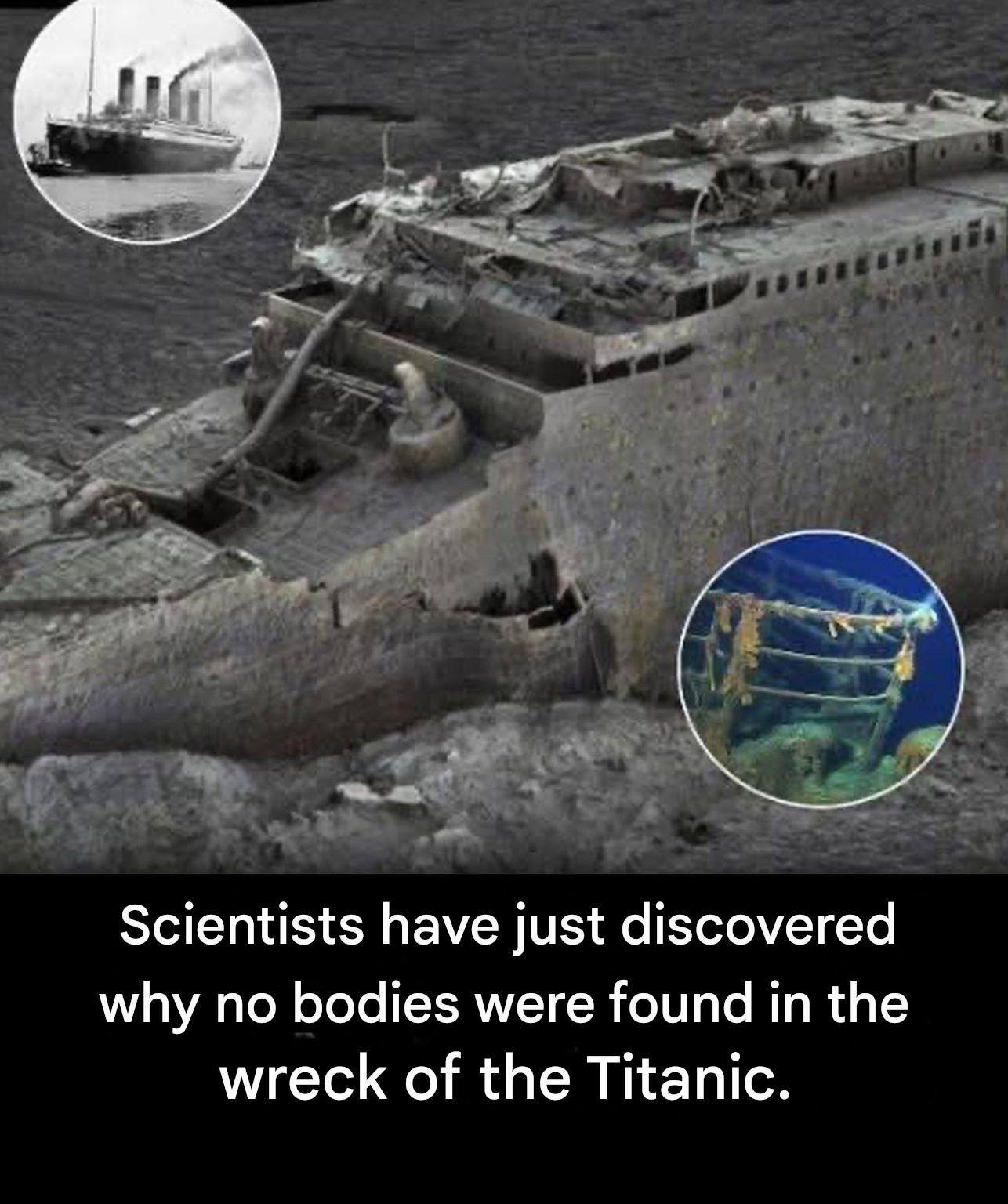
Why Were No Bodies Found in the Wreck of the Titanic?
The sinking of the RMS Titanic in 1912 remains one of the most famous maritime disasters in history. When the shipwreck was finally discovered in 1985, many people expected that human remains would be found inside or around the wreck. However, very few were discovered. This has led to the widespread question: Why were no bodies found in the wreck of the Titanic?
The answer lies in a combination of time, ocean conditions, biology, and what happened immediately after the disaster.
Many Victims Were Recovered Soon After the Sinking
After the Titanic sank, rescue and recovery ships were sent to the area. In the weeks following the disaster, hundreds of victims were recovered from the ocean’s surface and buried at sea or on land. This means that many bodies were never part of the wreck site to begin with.
Extreme Ocean Depth and Pressure
The Titanic lies about 3,800 meters (12,500 feet) below the surface of the Atlantic Ocean. At this depth, the pressure is enormous, and conditions are very different from those near the surface. Over time, these conditions make it extremely difficult for human remains to persist.
Cold Water and Marine Life
The deep ocean is very cold and is home to many organisms that break down organic material. Over decades, natural biological processes would have caused human remains to decompose completely, leaving little or nothing behind.
Passage of Time
More than 70 years passed between the sinking of the Titanic and the discovery of the wreck. Over such a long period, even durable materials can deteriorate. Clothing, wood, and organic material break down much faster than metal objects like the ship’s structure.
What Was Found Instead
While human remains were not commonly found, explorers did discover personal belongings such as shoes, watches, and suitcases. These items often mark places where people once rested, even though no remains are visible today.
ADVERTISEMENT
