
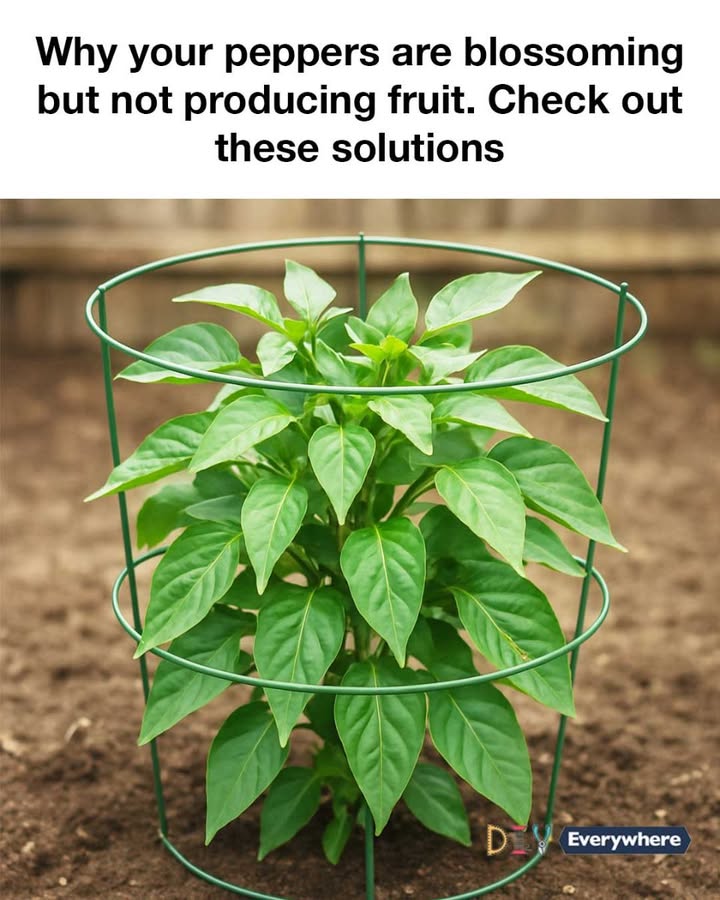
Growing peppers can be a rewarding experience, but it can also be frustrating when your plants are full of blossoms yet fail to produce fruit. This common issue can leave gardeners puzzled and disappointed, wondering what went wrong in their cultivation process. Understanding the reasons behind this problem is the first step toward finding a solution and enjoying a bountiful pepper harvest.
Several factors can contribute to pepper plants blossoming without fruiting, including environmental conditions, pollination issues, nutrient deficiencies, and more. In this article, we will explore these factors in detail and provide practical solutions to help you turn those blossoms into delicious peppers. Whether you’re a seasoned gardener or a novice, these insights will equip you with the knowledge needed to optimize your pepper production.
Advertisement
1. Understanding the Basics of Pepper Plant Growth
Pepper plants, like many other flowering plants, undergo a specific growth cycle that includes germination, vegetative growth, flowering, and fruiting. Each stage requires particular conditions to thrive. During the vegetative stage, pepper plants focus on growing leaves and stems, which are crucial for photosynthesis and overall plant health. Once the plant is mature enough, it transitions to the flowering stage, where blossoms appear.
For successful fruiting, it’s essential that the plant has a strong root system and healthy foliage to support the energy demands of producing fruit. Typically, pepper plants need about 60-90 days from transplanting to start producing fruit, depending on the variety. Ensuring that the plant is healthy and robust during the early stages is critical for later fruit production.
2. The Role of Pollination in Fruit Production
ADVERTISEMENT
