
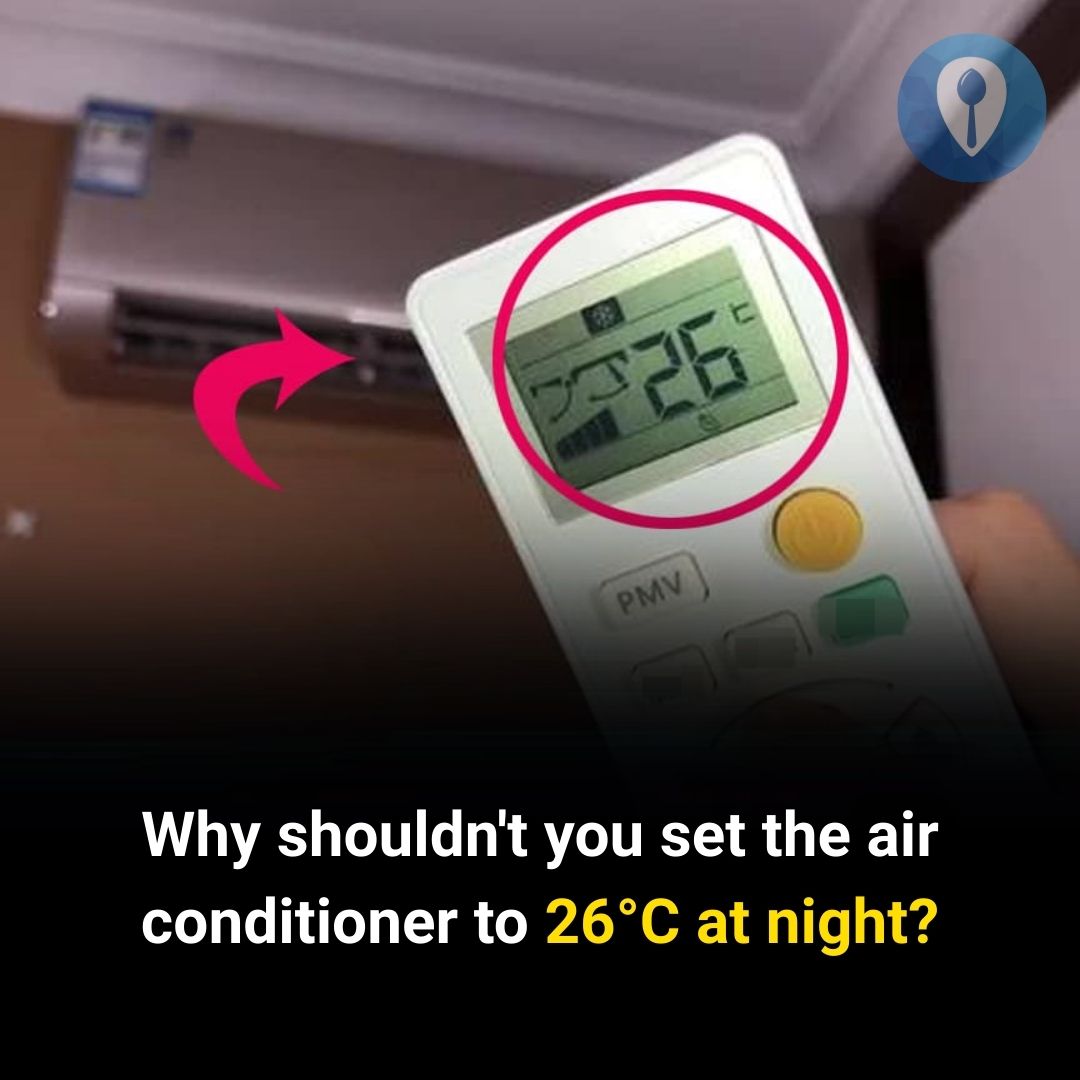
The Role of Temperature in Sleep
Sleep is closely tied to body temperature regulation. Normally, your body temperature drops slightly at night, signaling that it’s time to sleep. The room environment can either support or disrupt this natural rhythm:
Too warm: Can prevent your body from cooling down, leading to restless sleep.
Too cold: May cause discomfort and interrupt sleep cycles.
Why 26°C May Be Too Warm
Poor Sleep Quality
Experts note that rooms above 24°C (75°F) can make it harder to fall asleep and stay in deep sleep stages. You may toss and turn more or wake up feeling unrefreshed.
Sweating and Dehydration
A warmer room increases perspiration during the night. This can cause mild dehydration, leaving you tired and groggy in the morning.
Increased Heart Rate
Your heart works harder to regulate body temperature in warmer conditions, which can affect restfulness and overall cardiovascular comfort.
Impact on Children and Elderly
Sensitive populations, like children and older adults, are more susceptible to overheating, which may lead to disrupted sleep or heat-related stress.
Optimal AC Temperature for Sleep
Most sleep experts recommend a bedroom temperature between 18–22°C (64–72°F) for optimal rest. At this range:
ADVERTISEMENT
