
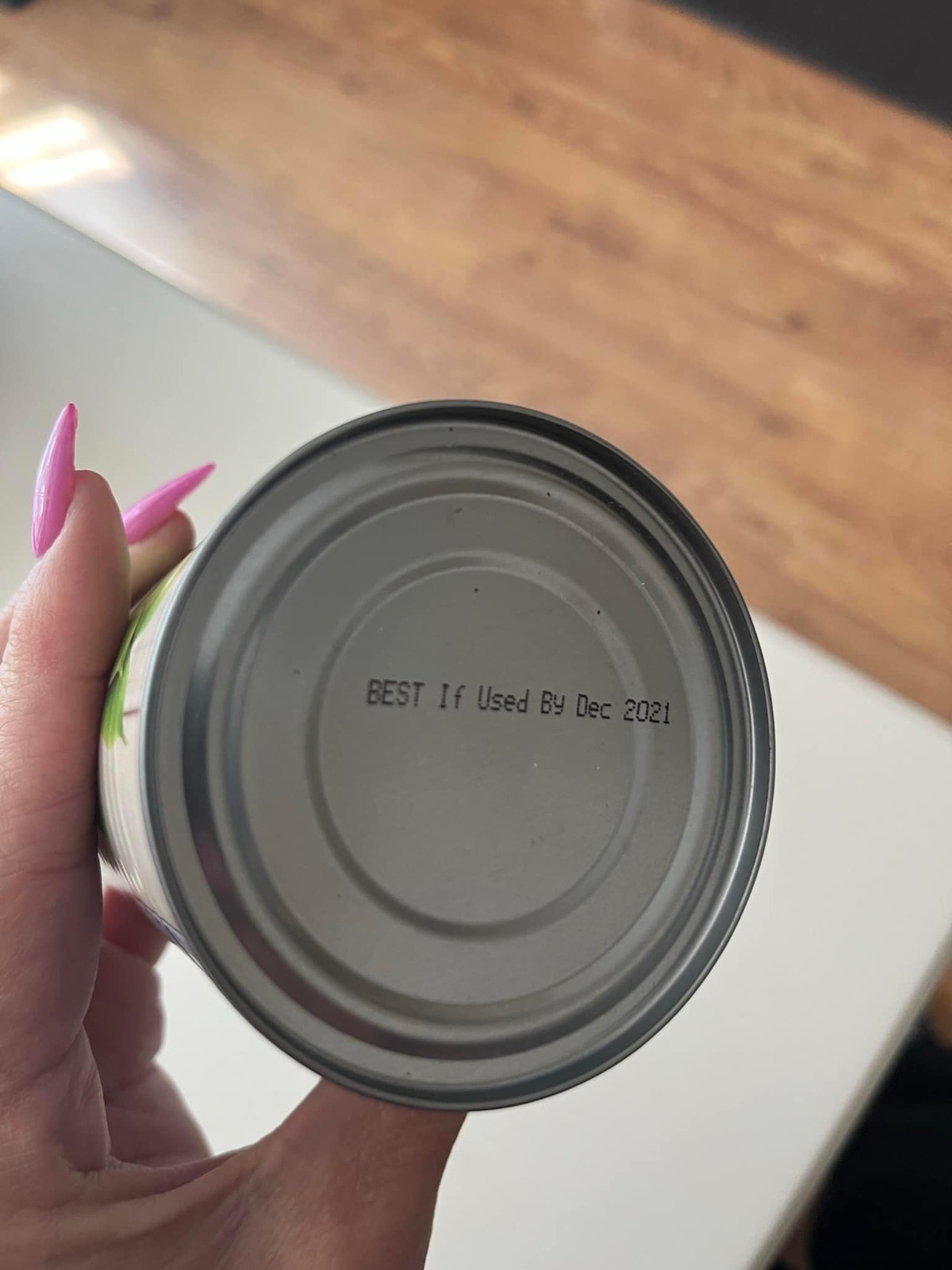
The Most Common Food Date Labels Explained
1. “Best By” or “Best Before”
This date is about quality, not safety.
Indicates when the food is at its best flavor or texture
Food is often still safe to eat after this date if stored properly
Common on dry goods, snacks, and canned foods
Think of it as a suggestion, not a strict deadline.
2. “Use By”
This is the most important date to follow.
Often found on perishable foods like dairy, deli items, and ready-to-eat meals
Refers to food safety, not just quality
Food should not be consumed after this date
When you see “Use by,” it’s best to take it seriously.
3. “Sell By”
This date is meant for stores, not consumers.
Helps retailers know how long to display products
Food is usually safe for days or even weeks after this date if stored correctly
Many people mistake this for an expiration date—but it isn’t.
Why Food Doesn’t Instantly Go Bad After the Date
Expiration dates don’t mean food magically spoils overnight. Storage conditions matter just as much as the printed label.
Food can last longer if:
It’s kept refrigerated or frozen properly
Packaging is unopened and intact
It shows no signs of spoilage
That’s why using your senses is still important.
Signs Food Has Actually Gone Bad
Regardless of the date, throw food away if you notice:
A strong sour or rotten smell
Visible mold
Slimy or sticky texture
Unusual color changes
When in doubt, it’s always safer to discard it.
Reducing Food Waste Safely
ADVERTISEMENT
