
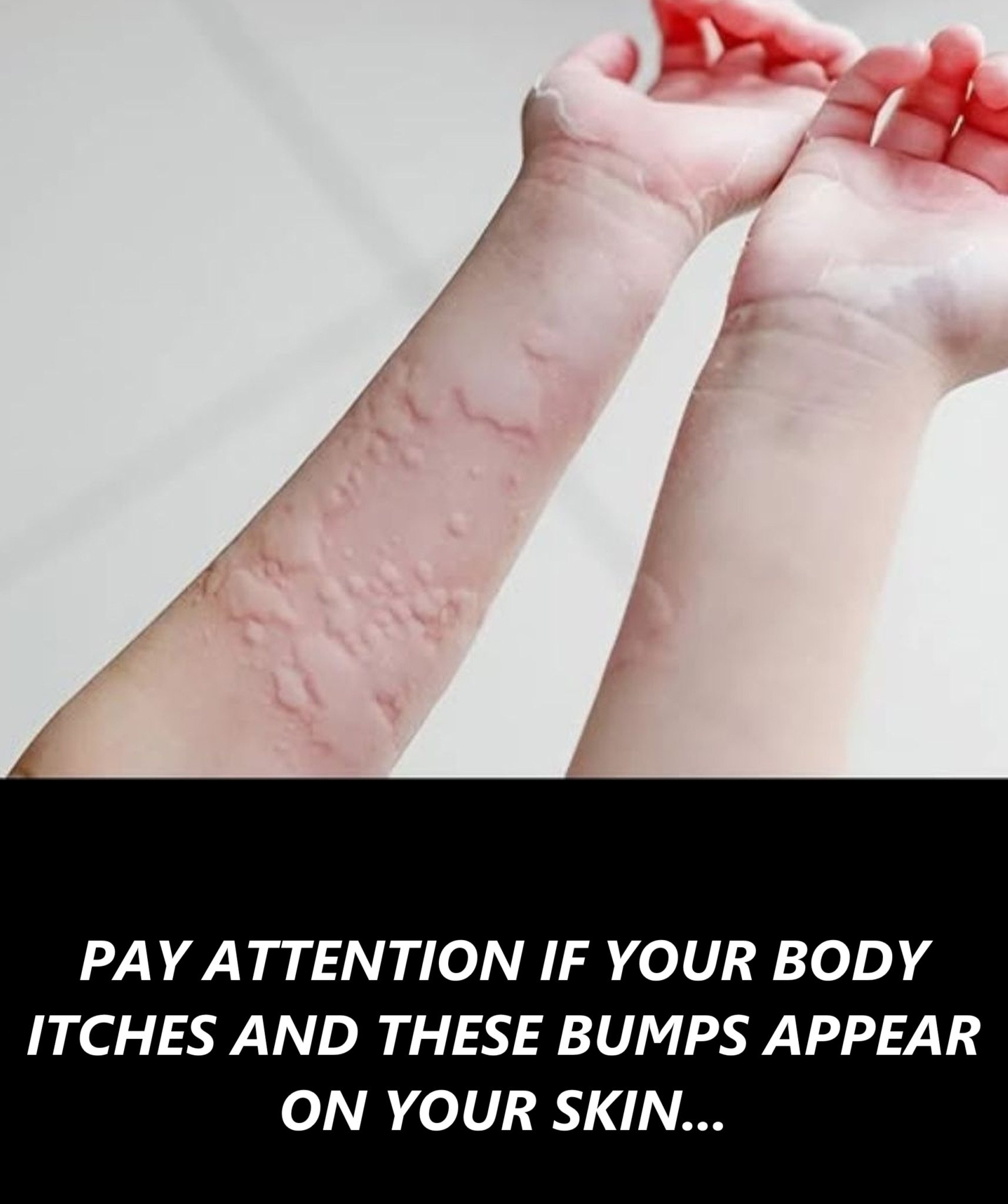
Itchy Skin and Red Bumps: What Your Body May Be Warning You About
Itchy skin and red bumps are incredibly common. Almost everyone experiences them at some point—sometimes after using a new soap, spending time outdoors, or dealing with stress. Often, they’re harmless and temporary. But in some cases, persistent itching or unexplained red bumps can be your body’s way of signaling that something deeper is going on.
Your skin is not just a protective outer layer; it’s the largest organ in your body and a powerful communicator. Changes on the skin’s surface can reflect what’s happening internally, from allergies and infections to stress, nutritional imbalances, or immune responses.
In this in-depth guide, we’ll explore what itchy skin and red bumps may indicate, common causes, when to seek help, and how to care for your skin in a safe, balanced way.
1. Why Skin Symptoms Matter More Than You Think
Skin often reacts before other symptoms appear. Because it’s exposed to the environment and closely connected to your immune and nervous systems, it can quickly show signs of imbalance.
Itchy skin and red bumps may be:
A response to something external (like an irritant)
A reaction from within the body
A combination of both
Understanding these signals can help you respond early and prevent further discomfort.
2. How the Skin Communicates With the Body
Your skin contains:
Nerve endings that sense irritation and itching
Immune cells that respond to allergens and threats
Blood vessels that expand or contract, causing redness
When something disrupts balance—internally or externally—your skin reacts through:
Redness
Bumps or rashes
Dryness or flaking
Itching or burning sensations
These reactions are not random; they are messages.
3. Common Causes of Itchy Skin and Red Bumps
3.1 Allergic Reactions
Allergies are one of the most common causes.
Possible triggers include:
Foods (nuts, dairy, shellfish, eggs)
Skincare products
Detergents or fabric softeners
Pollen, dust, or pet dander
Allergic reactions often appear suddenly and may cause itching, redness, or raised bumps.
3.2 Skin Irritation and Contact Dermatitis
Contact dermatitis happens when your skin reacts to something it touches.
Common irritants:
Harsh soaps or cleansers
Fragrances
Nickel in jewelry
Latex
Certain plants
This usually affects the exact area of contact and improves when the irritant is removed.
3.3 Dry Skin (Xerosis)
Dry skin is a surprisingly frequent cause of itching.
Contributing factors:
Cold or dry weather
Hot showers
Low humidity
Not moisturizing regularly
Dry skin can cause small red bumps, flaking, and intense itching, especially on arms and legs.
3.4 Heat and Sweat Reactions
Heat rash or sweat-related irritation occurs when sweat gets trapped under the skin.
Common areas:
Neck
Chest
Underarms
Back
Skin folds
This is common in warm weather or after exercise and usually improves with cooling and airflow.
4. Stress and the Skin Connection
Stress doesn’t just affect your mind—it shows up on your skin.
When stressed, the body releases hormones that:
Increase inflammation
Make skin more sensitive
Weaken the skin barrier
Stress-related skin symptoms may include:
Itchy patches
Red bumps
Flare-ups of existing skin conditions
Managing stress can significantly improve skin health.
5. Hormonal Changes and Skin Reactions
Hormones play a major role in skin behavior.
Hormonal shifts can occur during:
Puberty
Menstrual cycles
Growth phases
Periods of rapid change in the body
These changes may trigger:
Increased oil production
Sensitivity
Temporary rashes or bumps
Hormonal skin reactions often come and go with time.
6. Immune System Responses
Your immune system protects you, but sometimes it overreacts.
When this happens, skin symptoms may include:
Persistent itching
Raised red bumps
Hives-like reactions
These responses can be triggered by infections, allergies, or immune sensitivity and may require medical guidance if ongoing.
7. Infections That Can Affect the Skin
Some infections can cause itching and red bumps.
Examples include:
Fungal infections (often itchy and localized)
Bacterial skin infections
Viral rashes
These usually come with additional signs like spreading redness, warmth, or discomfort and should be evaluated by a healthcare professional.
8. Nutritional Factors and Skin Health
What you eat can influence your skin more than you realize.
Possible contributors to itchy or irritated skin:
Dehydration
Low intake of essential nutrients
Imbalanced diets
Nutrients that support skin health include:
Healthy fats
Vitamins A, C, and E
Zinc
Adequate water
Balanced nutrition supports the skin’s protective barrier.
9. Environmental Factors
Your surroundings matter.
Environmental triggers may include:
Pollution
Extreme temperatures
Chlorinated water
Sun exposure
These can weaken the skin barrier, making it more prone to itching and bumps.
10. Chronic Skin Conditions
Some long-term skin conditions may cause recurring symptoms.
These may involve:
Persistent dryness
Red patches
Periodic flare-ups
While often manageable, they usually benefit from professional care and consistent routines.
11. When Itchy Skin Appears Without a Rash
Sometimes itching occurs without visible redness.
Possible reasons include:
Dry skin
Nerve sensitivity
Internal imbalances
Stress responses
Persistent itch without clear cause should be checked by a professional.
12. Scratching: Why It Makes Things Worse
Scratching may feel relieving but often worsens symptoms by:
Damaging the skin barrier
Increasing inflammation
Raising infection risk
Keeping nails short and using soothing methods can help break the itch-scratch cycle.
13. How to Soothe Itchy Skin Safely
Gentle Daily Habits
Use fragrance-free cleansers
Take lukewarm showers
Moisturize immediately after bathing
Wear breathable fabrics
Natural Comfort Measures
Cool compresses
Oatmeal baths
Aloe-based moisturizers
Always patch-test new products.
14. The Role of Sleep in Skin Recovery
Sleep is essential for skin repair.
Poor sleep may:
Increase inflammation
Slow healing
Make itching feel more intense
Establishing a calming bedtime routine can help both skin and overall health.
15. When to Seek Medical Advice
It’s important to get help if:
Symptoms last more than two weeks
Itching disrupts sleep
Redness spreads or worsens
There is pain, swelling, or warmth
The cause is unclear
Early guidance can prevent complications.
16. Emotional Impact of Skin Issues
Skin conditions can affect confidence and mood, especially for teens.
Remember:
Skin changes are common
They do not define your worth
Support and treatment are available
Talking to a trusted adult or professional can make a big difference.
17. Preventing Future Flare-Ups
Prevention focuses on consistency:
Gentle skincare
Balanced nutrition
ADVERTISEMENT
