
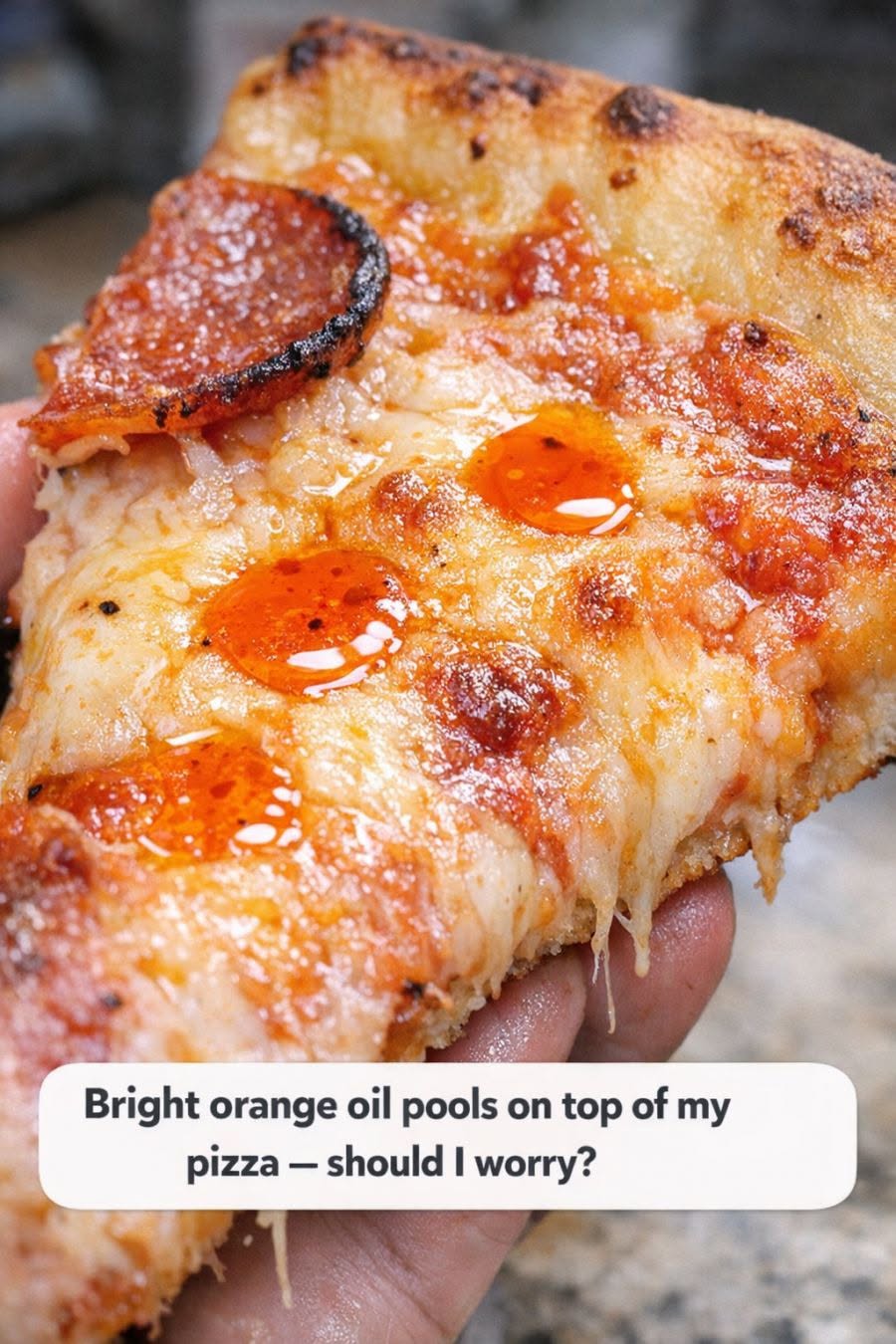
9. Does Greasy Pizza Actually Cause Heartburn or Acne?
While greasy foods like pizza can contribute to heartburn in some individuals, it’s not solely the oil that’s responsible. The combination of fat, acidic tomato sauce, and spices can trigger symptoms in those prone to acid reflux or GERD. Limiting portion sizes and choosing less acidic toppings can help mitigate this.
The link between greasy foods and acne is less clear. While a diet high in saturated fats and oils might contribute to skin issues, there is no definitive scientific evidence linking pizza oil directly to acne. Maintaining a balanced diet and proper skincare are more effective strategies for managing acne.
10. What Nutrition Experts Really Think About Greasy Pizza
Nutrition experts generally agree that while pizza can be part of a healthy diet, moderation is key. The occasional indulgence in a greasy slice is unlikely to cause harm, but regularly consuming high-fat, high-calorie foods can contribute to weight gain and other health issues.
Experts recommend balancing pizza consumption with plenty of fruits, vegetables, and lean proteins to maintain a healthy diet. Additionally, being mindful of portion sizes and choosing healthier toppings can make pizza a more nutritious option.
11. When to Relax, Enjoy Your Slice, and When to Worry
For most people, enjoying a slice of pizza with its characteristic orange oil is a harmless indulgence. As long as it’s consumed in moderation and as part of a balanced diet, there’s little need for concern. However, individuals with specific dietary needs or health conditions should be more cautious about the fat and calorie content.
If you ever feel unsure about the quality of your pizza or its ingredients, trust your senses and don’t hesitate to ask questions or make adjustments to suit your preferences and dietary needs. Ultimately, pizza is meant to be enjoyed, so savor your slice and remember that balance is key.
ADVERTISEMENT

