
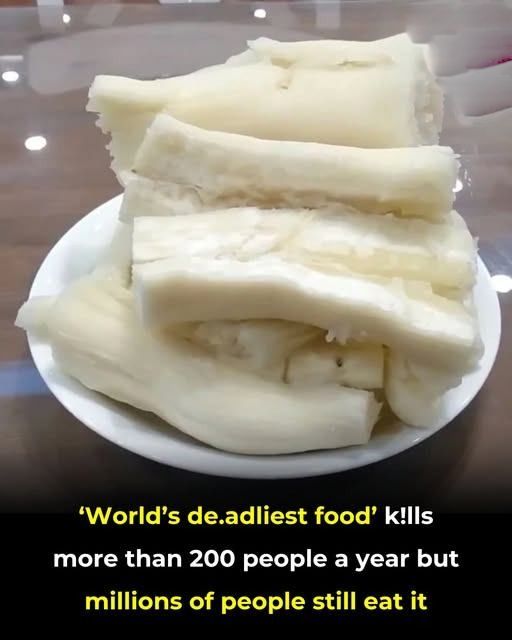
may include:
Dizziness or headache
Nausea and vomiting
Rapid breathing or difficulty breathing
Confusion, weakness, or loss of consciousness
In severe cases, respiratory failure and death
Long-term exposure to low levels of cyanide—often in communities where cassava is a dietary
staple and preparation resources are limited—has also been linked to:
Neurological conditions, such as konzo (a paralytic disease)
Developmental delays in children
Thyroid dysfunction and goiter, especially in areas with low iodine intake
These risks are real, but they are not inevitable. They reflect gaps in knowledge, resources, or access—not an inherent flaw in the food itself.
Why Do So Many People Still Eat Cassava?
Despite the risks, cassava remains widely consumed—and for deeply practical, culturally rooted reasons:
Accessibility and affordability
Cassava is inexpensive to grow and purchase, making it essential in low-income regions where other staples may be cost-prohibitive.
Climate resilience
It thrives in harsh conditions—drought, poor soil, high heat—where maize, rice, or wheat might fail. In an era of climate uncertainty, that resilience is invaluable.
Cultural importance
Many traditional cuisines are built around cassava-based foods that have been safely prepared for generations. These dishes carry identity, heritage, and community.
Food security
For millions, cassava isn’t a preference—it’s a necessity. When other crops fail or markets are inaccessible, cassava provides a reliable source of calories and energy.
The Role of Proper Preparation: Knowledge Is the Key
The difference between safe and dangerous cassava isn’t the plant itself—it’s the process. When prepared correctly using time-tested methods, cassava poses no health risk and serves as a vital energy source.
Traditional techniques are highly effective at removing toxins. Problems typically arise when:
Preparation steps are rushed due to time or resource constraints
Knowledge of safe methods isn’t passed down or accessible
Food shortages force communities to take shortcuts
This is why food safety experts emphasize education over elimination. Removing cassava from diets isn’t the solution; ensuring people have the knowledge, tools, and support to prepare it safely is.
You Must Know: Risk vs. Reality
Labeling cassava as the “world’s deadliest food” is misleading—and potentially harmful. The food itself is not inherently deadly. It becomes dangerous only when handled incorrectly.
In fact, when properly prepared, cassava supports the diets of hundreds of millions of people without incident. The annual death toll, while tragic, represents a tiny fraction of those who consume it safely every day. Context matters: risk is not the same as inevitability.
Serving Suggestions: How Experts Approach Cassava Safety
Food safety and development organizations focus on practical, empowering strategies:
Promote safe preparation techniques: Support community education on peeling, soaking, fermenting, and cooking methods that reduce cyanide levels.
Improve access to diverse foods: Encourage crop diversification so communities aren’t solely dependent on one staple.
Raise awareness without stigma: Share information about cassava safety in culturally respectful, non-alarmist ways.
Support agricultural development: Invest in drought-resistant cassava varieties with lower cyanide potential and better nutrition profiles.
Strengthen local knowledge: Partner with elders, farmers, and food preparers to preserve and share traditional wisdom.
These measures help reduce risk while honoring cassava’s vital role in global food systems.
ADVERTISEMENT

