
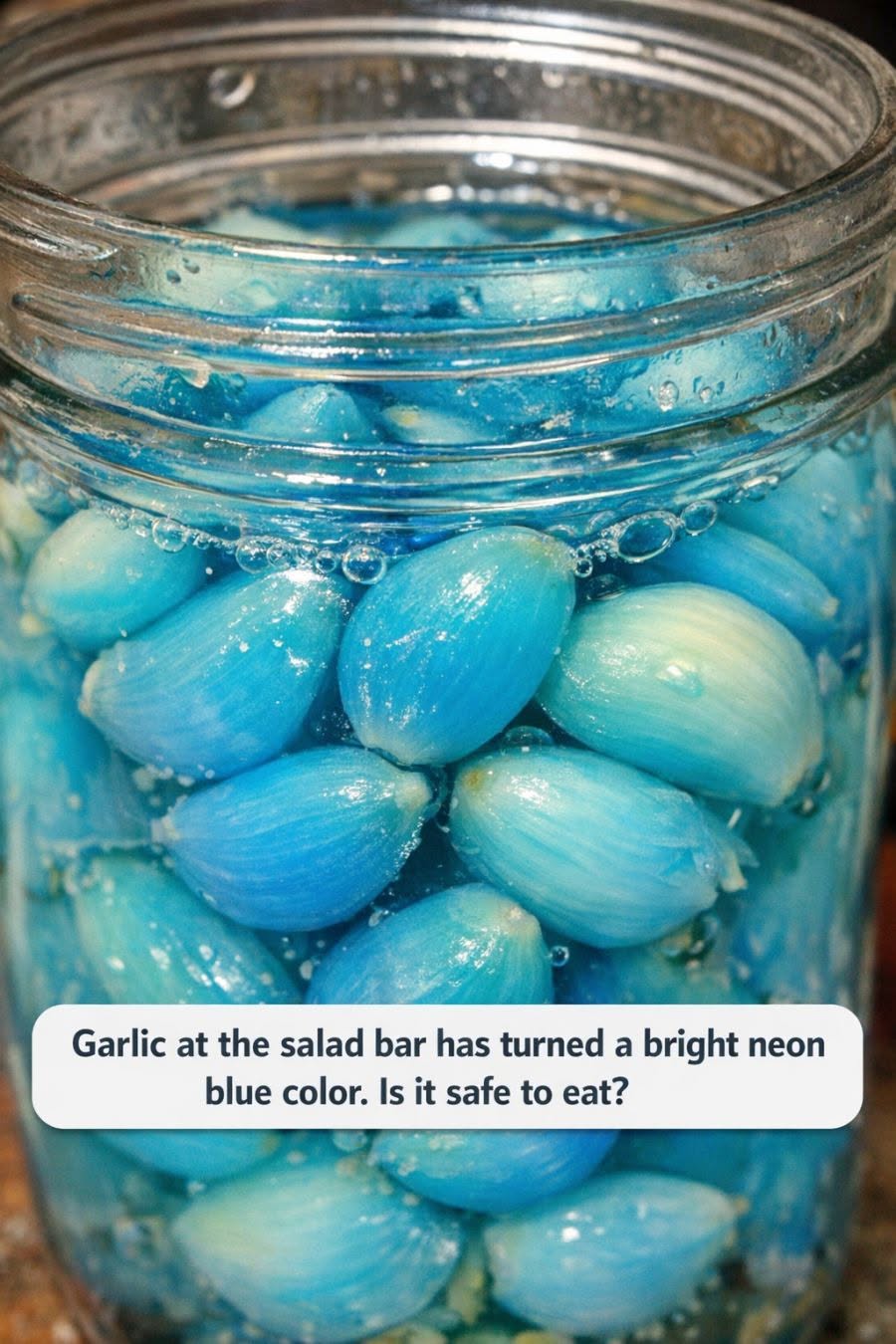
9. What To Do If You’ve Already Eaten Blue Garlic
If you’ve already consumed blue garlic and are feeling fine, there’s likely no cause for concern. The color change alone is not harmful, and most people will not experience any adverse effects.
However, if you experience any symptoms of foodborne illness, such as nausea, vomiting, or diarrhea, it is advisable to seek medical attention. Make sure to inform your healthcare provider about the garlic consumption and any other foods you may have eaten.
10. How To Prevent Garlic From Turning Blue At Home
To prevent garlic from turning blue at home, consider controlling the pH and temperature during preparation and storage. Avoid using acidic ingredients with garlic unless the color change is desired, such as in pickling. Storing garlic in a cool, dry place, away from direct sunlight, can also help maintain its natural color.
Cooking garlic promptly after cutting or crushing can minimize the time for enzymatic reactions to occur, reducing the likelihood of color change. Additionally, using fresh, mature garlic with fewer reactive compounds can help prevent this phenomenon.
11. When To Skip The Garlic And Alert Staff
If you encounter blue garlic at a salad bar or restaurant and feel uncertain about its safety, it may be wise to skip it altogether. Informing the staff can help them assess whether the garlic is safe for consumption or needs to be replaced.
Particularly if the garlic exhibits any additional signs of spoilage, such as an off odor or slimy texture, notifying the staff ensures that other customers are not exposed to potentially unsafe food. Being proactive about food safety helps maintain high standards and protects the health of all patrons.
ADVERTISEMENT

