
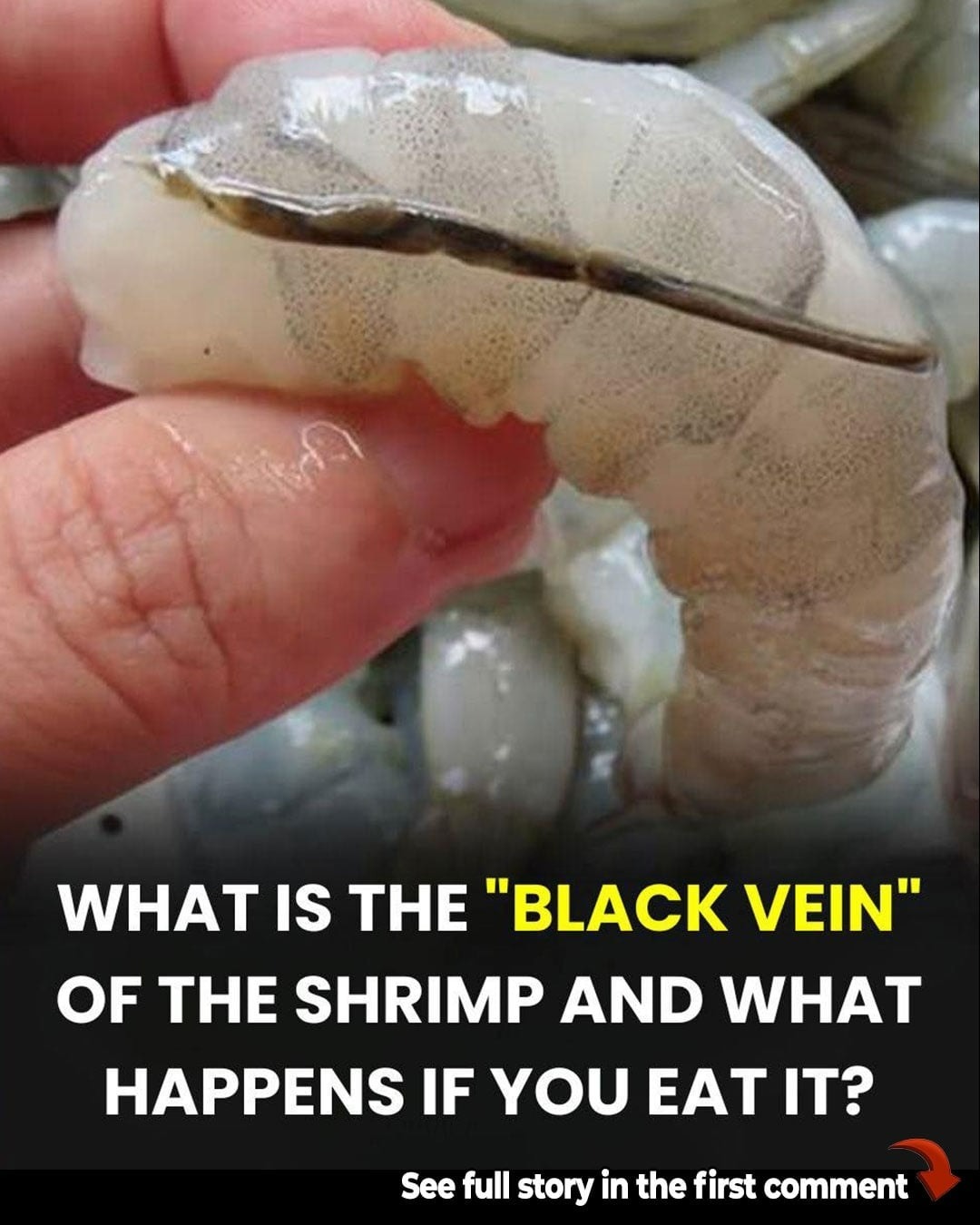
What You’ll Need
Sharp paring knife or specialized deveining tool
Bowl of cold water
Method 1: With a Knife
Rinse the shrimp under cold water.
Peel if desired (leave tail on for presentation if you like).
Make a shallow cut along the back, just deep enough to expose the dark line.
Lift it out with the tip of the knife or your fingers.
Rinse under cold water to remove any remaining bits.
Method 2: With a Deveining Tool
Specialized deveining tools have a small hook that catches the vein and pulls it out in one piece. Quick and easy.
Method 3: For Butterflied Shrimp
If you’re butterflying the shrimp (cutting almost all the way through so it opens like a book), the vein will be exposed and can be easily removed.
Pro tip: Devein shrimp before cooking—it’s much harder to do afterward.
How to Prepare Shrimp: A Complete Guide
Step 1: Thawing (If Frozen)
Never thaw shrimp at room temperature. Instead:
Refrigerator method: Place frozen shrimp in a bowl, cover, and refrigerate overnight.
Cold water method: Place shrimp in a sealed bag and submerge in cold water for 15-20 minutes.
Step 2: Peeling
Grasp the legs and gently pull them off.
Slide your thumb under the shell between the legs and peel away.
Leave the tail on for presentation, or remove it.
Step 3: Deveining (If Desired)
Follow the methods above.
Step 4: Rinse and Dry
Rinse peeled shrimp under cold water and pat dry with paper towels. Dry shrimp = better sear.
Step 5: Cook
Shrimp cook very quickly—usually 2-3 minutes per side depending on size. They’re done when they turn pink and opaque and curl into a loose “C” shape.
Common Cooking Methods
Heat oil or butter in a skillet over medium-high heat
Add shrimp in a single layer
Cook 2-3 minutes per side until pink and opaque
Grilled
Thread onto skewers (soaked if wooden)
Grill over medium-high heat 2-3 minutes per side
Boiled
Bring salted water to a boil
Add shrimp, cook 2-3 minutes until pink
Shock in ice water to stop cooking
Baked
Toss with oil and seasonings
Bake at 400°F for 8-10 minutes
How to Tell When Shrimp Are Done
Perfectly cooked shrimp are:
Pink and opaque throughout
Curled into a loose “C” shape
Firm to the touch but not rubbery
Overcooked shrimp:
Curl tightly into an “O” shape
Become tough and rubbery
Lose their juicy texture
Buying Shrimp: What to Look For
Label What It Means
Wild-caught Caught in natural waters; often better flavor
Farm-raised Raised in controlled environments; more sustainable options available
Fresh Never frozen; use within 1-2 days
Frozen Often fresher than “fresh” because frozen at sea
Peeled/deveined Ready to cook—check if vein is actually removed
Tail on/off Tail on = better presentation; tail off = easier eating
Shrimp Sizes (Count per Pound)
Size Count per Pound
Extra colossal Under 10
Colossal Under 15
Extra jumbo 16-20
Jumbo 21-25
Extra large 26-30
Large 31-40
Medium 41-50
Small 51-60
Extra small 61-70
The Bottom Line
That “black vein” in shrimp is the digestive tract—safe to eat but potentially gritty in larger shrimp. Whether you remove it depends on the size of the shrimp and your personal preference.
Now you know how to prepare shrimp perfectly every time. Devein when it matters, cook with confidence, and enjoy every bite.
ADVERTISEMENT

