
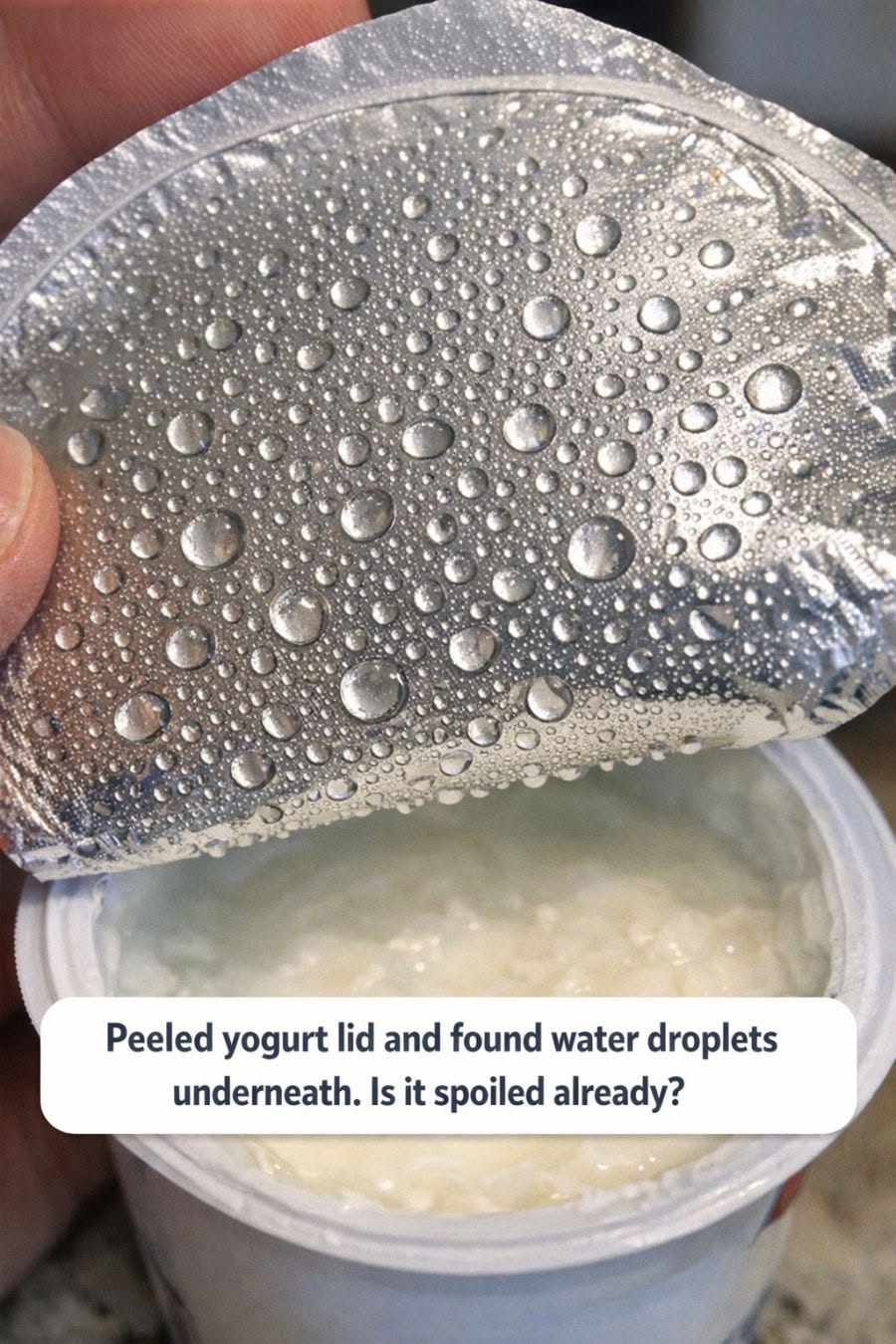
Keeping the yogurt lid tightly sealed can also prevent moisture loss and protect it from absorbing other fridge odors. If you’ve opened the yogurt, consider transferring it to an airtight container for better preservation.
9. Stirring, Draining, or Eating As-Is: What to Do With Separated Yogurt
If you notice that your yogurt has separated, you have a few options. Stirring the yogurt is the easiest way to reincorporate the whey and regain its creamy texture. This is perfectly safe and commonly done.
If you prefer a thicker consistency, you can pour off the excess whey. Some people enjoy this way of consuming yogurt, as it can concentrate the flavors. Eating the yogurt as-is, without stirring, is also an option and won’t affect its nutritional value.
10. Special Cases: Greek Yogurt, Flavored Cups, and Dairy-Free Alternatives
Greek yogurt is more prone to separation because of its thicker consistency and higher protein content. This is normal and simply requires a good stir before consumption. Flavored yogurts might have more added ingredients, which can affect texture and separation.
Dairy-free alternatives, like almond or coconut yogurt, may behave differently due to their distinct compositions. These might separate more or less than dairy yogurts, but similar rules apply regarding signs of spoilage.
11. When in Doubt: A Simple Checklist Before You Take a Spoonful
Before diving into your yogurt, check for visible mold, unusual colors, and off-putting smells. Assess the texture for any unusual clumping or excessive liquid that doesn’t mix back in.
Always consider the expiration date and how long the yogurt has been open. If it has been left out at room temperature for too long, it’s safer to discard it. Trust your senses and when in doubt, it’s best to err on the side of caution.
ADVERTISEMENT

