
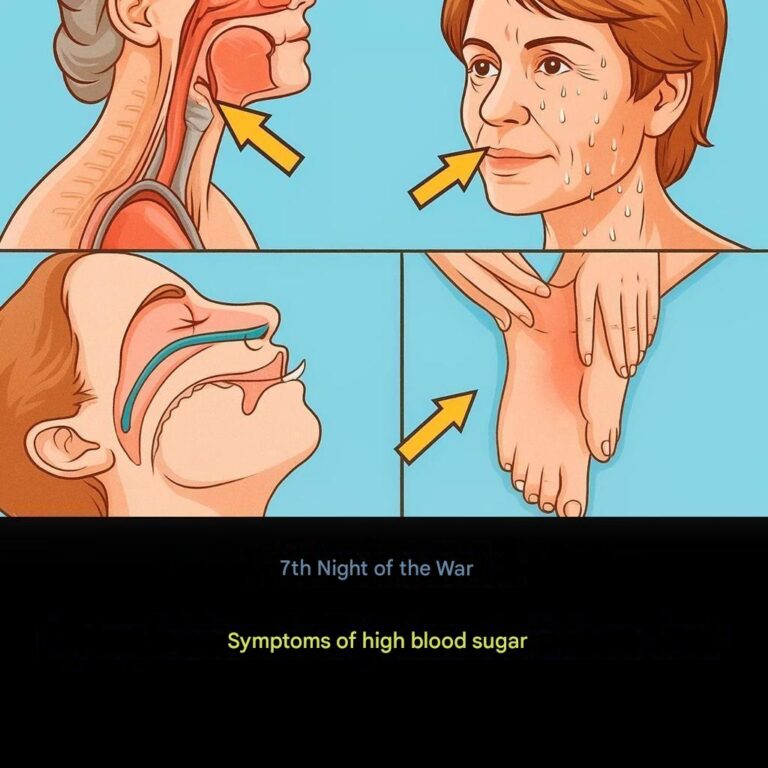
Recognizing High Blood Sugar: 7 Early Signs You Shouldn’t Ignore
High blood sugar, also known as hyperglycemia, can happen when your body has too much glucose in the bloodstream. If left untreated, it may lead to serious health problems, including diabetes complications. Recognizing the early signs of high blood sugar can help you take action quickly and protect your health. Here are seven signs you shouldn’t ignore.
1. Frequent Urination
One of the earliest signs of high blood sugar is needing to urinate more often than usual. Excess sugar in the blood forces the kidneys to work harder to filter it, resulting in increased trips to the bathroom.
2. Increased Thirst
With frequent urination comes dehydration, which can trigger an intense and persistent thirst. Drinking more water than usual without quenching your thirst may indicate high blood sugar levels.
3. Fatigue or Weakness
High blood sugar affects the body’s ability to use glucose for energy. As a result, you may feel unusually tired, weak, or sluggish, even after a full night’s sleep.
4. Blurred Vision
High glucose levels can cause fluid to shift in the lenses of your eyes, temporarily affecting your ability to focus. Blurred vision is a warning sign that your blood sugar may be too high.
5. Headaches
Frequent or unexplained headaches can be linked to high blood sugar. They may occur due to dehydration, fluctuations in glucose levels, or changes in blood flow to the brain.
6. Slow-Healing Cuts or Infections
High blood sugar can weaken your immune system and reduce circulation, making it harder for your body to heal wounds. Cuts, sores, or infections that take longer than usual to heal should be taken seriously.
7. Unexpected Weight Loss
Even when eating normally, high blood sugar can cause weight loss. The body may start breaking down muscle and fat for energy because it cannot effectively use glucose.
When to Seek Medical Advice
If you notice one or more of these signs, it’s important to consult a healthcare professional. Early detection and management of high blood sugar can prevent long-term complications, such as nerve damage, kidney disease, or heart problems.
ADVERTISEMENT
