
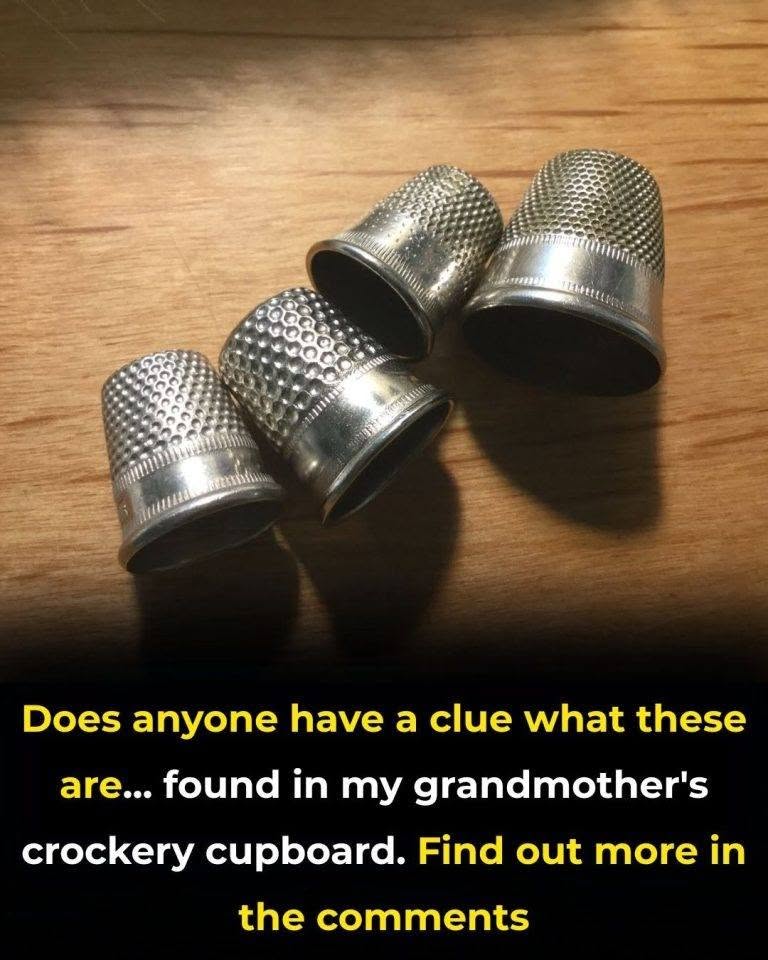
A thimble is a small, bell-shaped cap worn on the finger or thumb to protect it while pushing a needle through fabric during sewing. Traditionally made of metal, thimbles have been used for centuries to prevent needle pricks and make hand-sewing easier. Over time, they’ve also become symbols of artistry, sentimentality, and even status.
The name “thimble” comes from the Old English word thȳmel, meaning “thumb” (the digit you wear it on). In other languages, the name is similarly descriptive: dedal in Spanish (from dedo, finger), dé à coudre in French (literally “sewing thimble”), and Fingerhut in German (“finger hat”).
What those dimples are for: The tiny indentations on a thimble (and there can be thousands of them) are not decorative—at least not originally. They provide friction and grip, preventing the needle from slipping off the thimble when you push it through thick fabric.
The Ancient Origins of Thimbles
The story of thimbles begins long before written history.
The earliest thimbles: Archaeologists have discovered thimbles made of bone, ivory, and leather at ancient Roman sites. These early thimbles were simple—just a protective cap for the finger—but they show that hand-sewing has been essential to human life for millennia.
Roman thimbles: Made of bronze, these thimbles were often found in excavations across the former Roman Empire. They were cruder than later versions, with larger, less uniform dimples, but they served the same purpose: protecting the finger from needle pricks.
Medieval thimbles: By the 14th century, thimbles had become more sophisticated. Brass and bronze were the materials of choice. The dimples became smaller and more regular. Thimbles were still functional tools, but they were also beginning to be decorated.
The shift to metalworking guilds: In medieval Europe, thimble making became a specialized craft. Brass workers in Nuremberg, Germany, and later in the Netherlands and England, produced thimbles for tailors, dressmakers, and households across the continent.
The Golden Age of Thimble Making (17th-19th Centuries)
ADVERTISEMENT

