
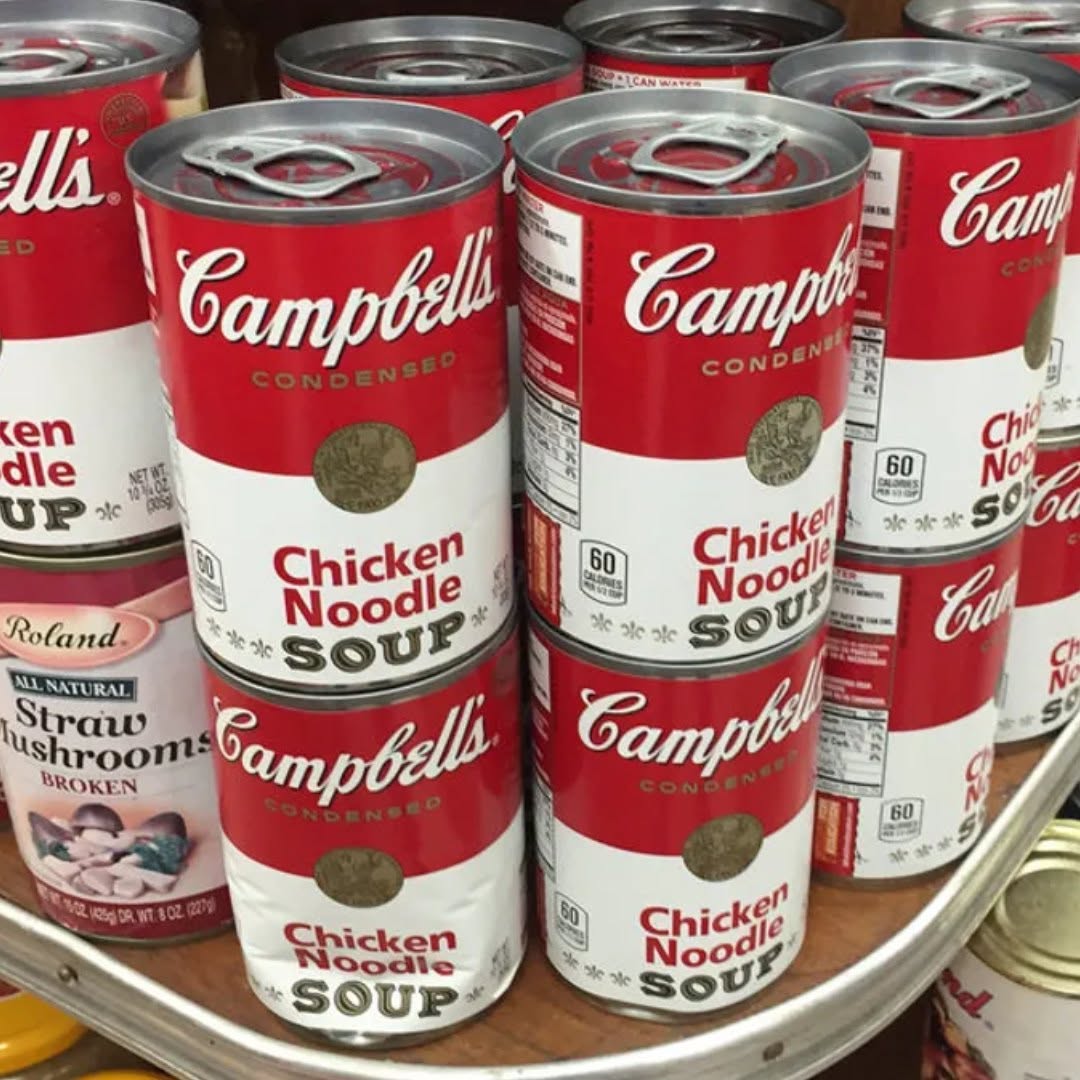
Has pushed for aggressive changes, including rebranding proposals that could alter even the classic red-and-white can design
Loeb’s push for transformation reportedly met strong resistance, escalating into a legal fight in which he sued the company and alleged mismanagement.
Campbell’s Response and a Move Toward Compromise
Campbell’s pushed back sharply, reportedly describing Loeb’s ideas as “unoriginal and uninformed.” Even so, the conflict appears to have shifted toward a partial resolution:
Both sides agreed to add two directors proposed by Third Point to Campbell’s board
This signals that additional strategic or operational changes may be coming as the company tries to stabilize and modernize
Why This Matters Beyond Campbell’s
The situation reflects a broader industry reality: legacy food brands must adapt or risk losing relevance.
For longtime customers, the idea of Campbell’s disappearing would feel like a major cultural and household loss.
For analysts and competitors, it would underline an ongoing trend: consumers increasingly favor fresher, less-processed options and expect established brands to evolve.
What Campbell’s May Need to Do to Survive
To remain viable, Campbell’s may be forced to take decisive steps, such as:
Repositioning products to match demand for “cleaner” ingredients
Rebuilding trust and clarity around brand identity while modernizing
Reducing financial strain through restructuring, efficiency, or portfolio adjustments
Aligning leadership and strategy so the company can execute changes quickly
Conclusion: A High-Visibility Test of Reinvention
Campbell’s next moves will likely determine whether it can balance tradition with reinvention. Whatever happens, the company’s response to debt pressure, shareholder activism, and changing consumer behavior will be closely watched as a case study in how iconic brands attempt to evolve without losing what made them famous.
ADVERTISEMENT

