
ADVERTISEMENT
ADVERTISEMENT
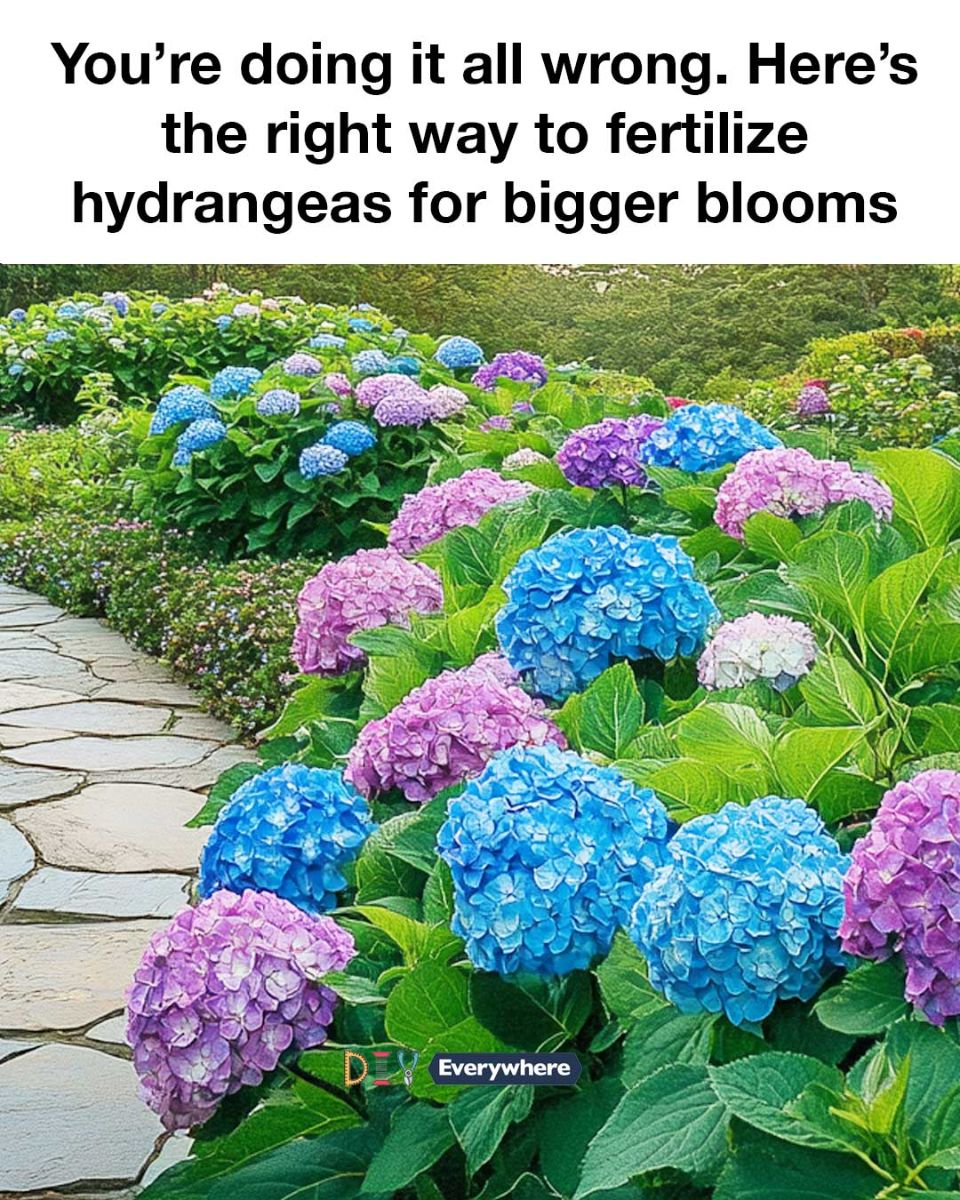
You’re doing it all wrong. Here’s the right way to fertilize hydrangeas for bigger blooms
1. Understanding Hydrangea Varieties
Hydrangeas come in several varieties, each with its unique characteristics and fertilization needs. The most common types include the Bigleaf (Hydrangea macrophylla), Panicle (Hydrangea paniculata), Smooth (Hydrangea arborescens), and Oakleaf (Hydrangea quercifolia). Each type has different bloom times and soil preferences, which can affect how you should fertilize them.
For example, Bigleaf hydrangeas are known for their ability to change color based on soil pH, while Panicle hydrangeas are more tolerant of different soil conditions. Understanding these differences is crucial because it influences the type of fertilizer you should use and how often you should apply it.
2. The Importance of Soil pH
Soil pH plays a critical role in the color and health of hydrangea blooms, particularly for Bigleaf hydrangeas. A pH of 5.5 or lower will produce blue flowers, while a pH of 6.0 or higher will result in pink blooms. Testing your soil pH is the first step in determining the right fertilization strategy.
ADVERTISEMENT
