
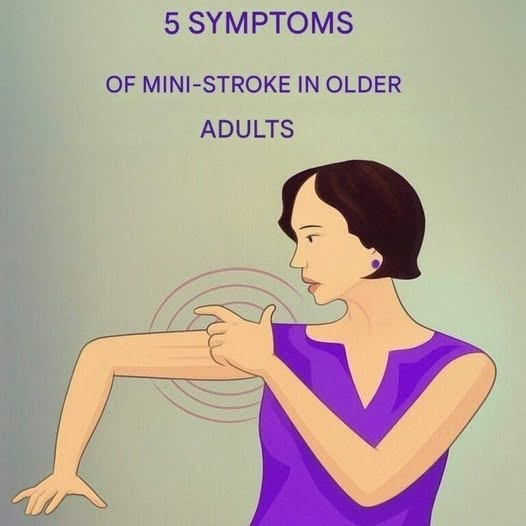
Let me give you a clear, actionable plan.
Step 1: Act FAST
Use the FAST acronym:
Face drooping
Arm weakness
Speech difficulty
Time to call emergency services
Step 2: Do NOT Wait to See If Symptoms Improve
Every minute counts. The risk of a major stroke is highest in the first hours after a TIA. Do not wait. Do not say “let’s see if it goes away.”
Step 3: Call for Emergency Services
Do not drive the person to the hospital yourself. Call an ambulance. Paramedics can:
Assess the person en route
Alert the hospital to prepare for a potential stroke
Begin treatment immediately
Step 4: Note the Time Symptoms Started
This information is critical for doctors. If you saw the first symptom at 7:30 AM, tell the paramedics.
Step 5: Do Not Give Aspirin or Blood Thinners
Wait for medical guidance. Different types of strokes require different treatments. Aspirin helps with ischemic strokes (caused by clots) but can worsen hemorrhagic strokes (caused by bleeding).
Step 6: Keep the Person Calm and Still
Have them sit or lie down. Loosen tight clothing. Do not give food or water (swallowing may be impaired).
What Happens at the Hospital (Diagnosis and Treatment)
If your loved one is evaluated for a TIA, here’s what to expect.
Immediate assessment: Vital signs, neurological exam, and a review of symptoms and timing.
Imaging: CT scan (to rule out bleeding) and MRI (to look for evidence of brain tissue damage). Even if symptoms have resolved, an MRI may show evidence of a recent TIA.
Blood tests: To check for clotting disorders, cholesterol levels, blood sugar, and other risk factors.
Carotid ultrasound: To check for narrowing in the carotid arteries (the main blood vessels to the brain).
ECG or heart monitoring: To check for atrial fibrillation (irregular heartbeat), which increases stroke risk.
Treatment: Depending on the cause, your loved one may be started on:
Antiplatelet medications (aspirin, clopidogrel)
Anticoagulants (blood thinners) for atrial fibrillation
Statins to lower cholesterol
Blood pressure medications
Lifestyle recommendations (diet, exercise, smoking cessation)
In some cases: Surgery (carotid endarterectomy) to remove plaque from narrowed arteries.
ADVERTISEMENT

