
5. Ignoring Late Frosts That Zap Tender Spring Growth
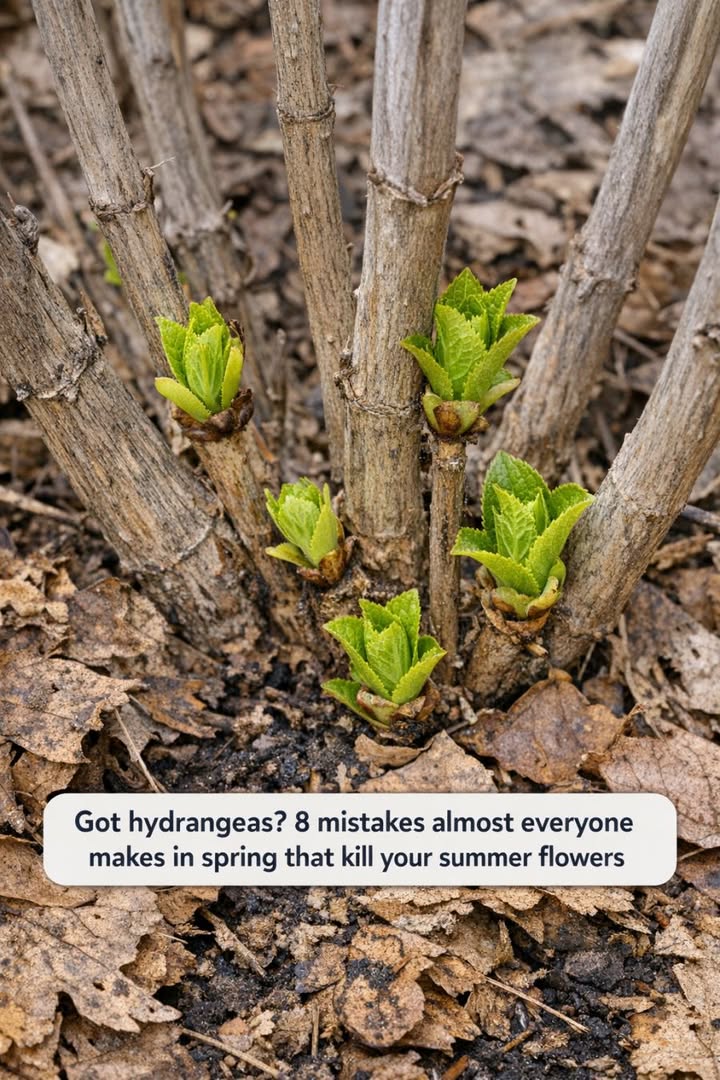
Late frosts can be devastating to hydrangeas, especially when they have started to produce new growth. These tender shoots are susceptible to frost damage, which can lead to stunted growth and a lack of flowers.
To protect your hydrangeas, keep an eye on the weather forecast in early spring. If a late frost is predicted, cover your plants with frost cloths or burlap overnight. Remove the covers during the day to allow sunlight and airflow.
6. Watering Incorrectly and Stressing New Buds
Hydrangeas need consistent moisture, but improper watering can stress the plants and affect their ability to bloom. Overwatering can lead to root rot, while underwatering can cause the buds to dry out and fail to develop.
Water deeply but infrequently, aiming for about 1 inch of water per week, either from rainfall or supplemental watering. It’s best to water early in the day to allow foliage to dry before nightfall, reducing the risk of fungal diseases.
7. Leaving Old, Dead Wood and Winter Damage Untouched
After a long winter, it’s important to clean up any dead wood and winter damage on your hydrangeas. Old, dead stems can harbor diseases and pests, while damaged branches can hinder new growth.
Remove any dead or damaged wood in early spring by cutting back to healthy tissue. Use clean, sharp pruning shears to make precise cuts, which encourages healthy new growth and improves air circulation around the plant.
8. Mulching, Feeding, or Amending Soil the Wrong Way in Spring
Proper soil management is key to healthy hydrangeas, but doing it incorrectly in spring can cause problems. For example, applying a thick layer of fresh mulch too early can trap cold moisture around the roots, slowing growth.
Wait until the soil has warmed before applying mulch, and use organic materials like shredded bark or leaf mold. If amending the soil or adding compost, ensure it is well-integrated and doesn’t create a barrier between the roots and the soil. This helps maintain the right moisture levels and provides essential nutrients without disrupting the plant’s natural growth cycle.
ADVERTISEMENT

