
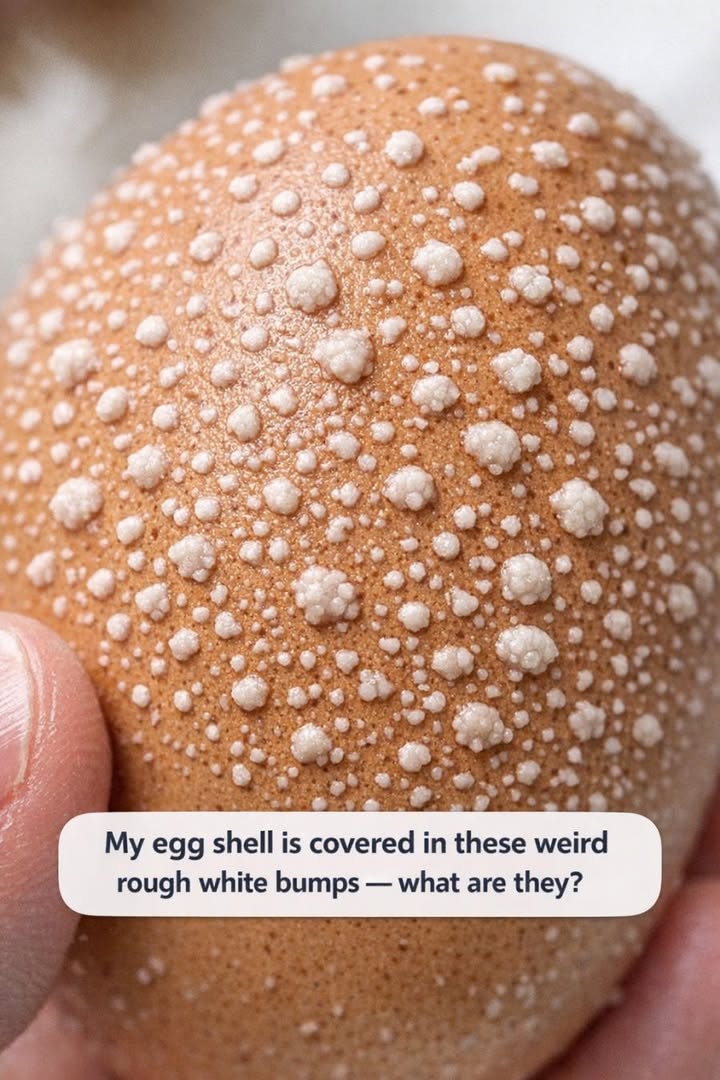
8. How to Tell If Bumpy Eggs Are Still Safe to Eat
Bumpy eggs are generally safe to eat as long as the shell is intact and there are no other signs of spoilage. Before consuming, check for cracks or damage to the shell, as this can allow bacteria to enter and spoil the egg. Conduct a float test by placing the egg in water; if it sinks and lays flat, it’s fresh and safe to eat.
Inspect the egg’s interior once cracked open. If the egg white is clear and the yolk is firm, the egg is likely safe for consumption. However, if you notice any unusual odors or discoloration, it’s best to discard the egg to avoid potential health risks.
9. Simple Fixes to Prevent Rough, Lumpy Eggshells
Preventing rough, lumpy eggshells often involves ensuring a balanced diet for your hens. Provide a consistent source of calcium, such as oyster shells, but avoid over-supplementing. Ensure their diet is balanced with adequate phosphorus and vitamin D3 to support healthy calcium metabolism.
Regularly check the cleanliness of the nesting area and ensure that the hens have access to fresh water and a stress-free environment. Monitoring for signs of illness and providing appropriate veterinary care can also help maintain overall flock health, reducing the likelihood of shell abnormalities.
10. When to Worry and Call a Vet About Your Hen’s Eggs
If you notice persistent or severe shell abnormalities, it might be time to consult a veterinarian. Signs that warrant professional evaluation include a sudden increase in the number of eggs with bumps, accompanying symptoms of illness in your hens, or additional abnormalities such as soft or misshapen shells.
Veterinary diagnostics can help identify underlying conditions that might be affecting shell quality, such as infections or metabolic disorders. Early intervention can prevent potential health issues from escalating and help maintain your flock’s productivity and well-being.
11. How to Monitor Future Eggs for Early Warning Signs
To monitor future eggs for early warning signs of shell issues, keep a record of egg production and shell quality. Note any changes in texture, color, or shape, and look for patterns that might indicate a problem. Regularly inspect the flock for signs of stress or illness, and adjust their diet or environment as needed.
Implementing routine health checks and maintaining a clean, stress-free living environment can help prevent many common issues. By staying vigilant and proactive, you can catch potential problems early and ensure your hens continue to produce healthy, high-quality eggs.
ADVERTISEMENT

