
Fresh Leaves in Salads
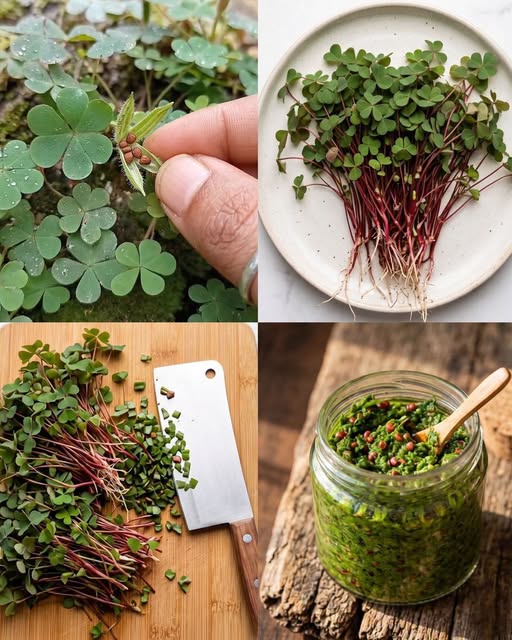
The fresh, tangy leaves of wood sorrel add a zesty flavor to salads. They pair well with a variety of greens and can enhance the taste of mixed vegetable salads. The leaves can also be used as a garnish for soups and other dishes.
Herbal Tea
Wood sorrel can be brewed into a refreshing herbal tea. Simply steep the fresh or dried leaves in hot water for a few minutes. The tea has a pleasant, slightly sour taste and can be sweetened with honey if desired.
Culinary Herb
In cooking, wood sorrel can be used similarly to other herbs like parsley or basil. It can be added to sauces, soups, and stews to impart a unique flavor. The leaves can also be used to make pesto or incorporated into spreads and dips.
Gardening and Environmental Benefits
Ground Cover
Wood sorrel is an excellent ground cover plant. It grows rapidly and can help prevent soil erosion. Its dense growth habit also helps suppress weeds, making it a useful plant for gardeners looking to maintain tidy beds and borders.
Attracting Pollinators
The flowers of wood sorrel attract bees, butterflies, and other pollinators. Planting wood sorrel in your garden can support local pollinator populations and contribute to a healthy ecosystem.
Indicator Plant
Wood sorrel is considered an indicator plant, meaning its presence can give clues about soil conditions. It tends to thrive in acidic soils, so if you find wood sorrel growing abundantly in an area, it might indicate that the soil pH is on the acidic side.
Wood sorrel is a versatile plant with numerous benefits and uses, ranging from nutritional and medicinal applications to culinary and gardening uses. Whether you’re foraging it from the wild or cultivating it in your garden, wood sorrel can be a valuable addition to your diet and natural medicine cabinet. Embrace this humble plant and enjoy its many advantages, both for your health and your environment.
ADVERTISEMENT

